|
|
 |
|
Formerly The Hub |
|
|
|
|
|
|
|
Welcome to The Weekly, a Bluedot Living newsletter that gathers good news, good food, and good tips for living every day more sustainably. |
|
Welcome to The Weekly, a Bluedot Living newsletter that gathers good news, good food, and good tips for living every day more sustainably. |
|
If you purchase anything via one of our links, including from Amazon, we may earn a small commission. All Dear Dot illustrations by Elissa Turnbull. |
|
|
|
|
SIMPLE / SMART / SUSTAINABLE / STORIES |
 |
|
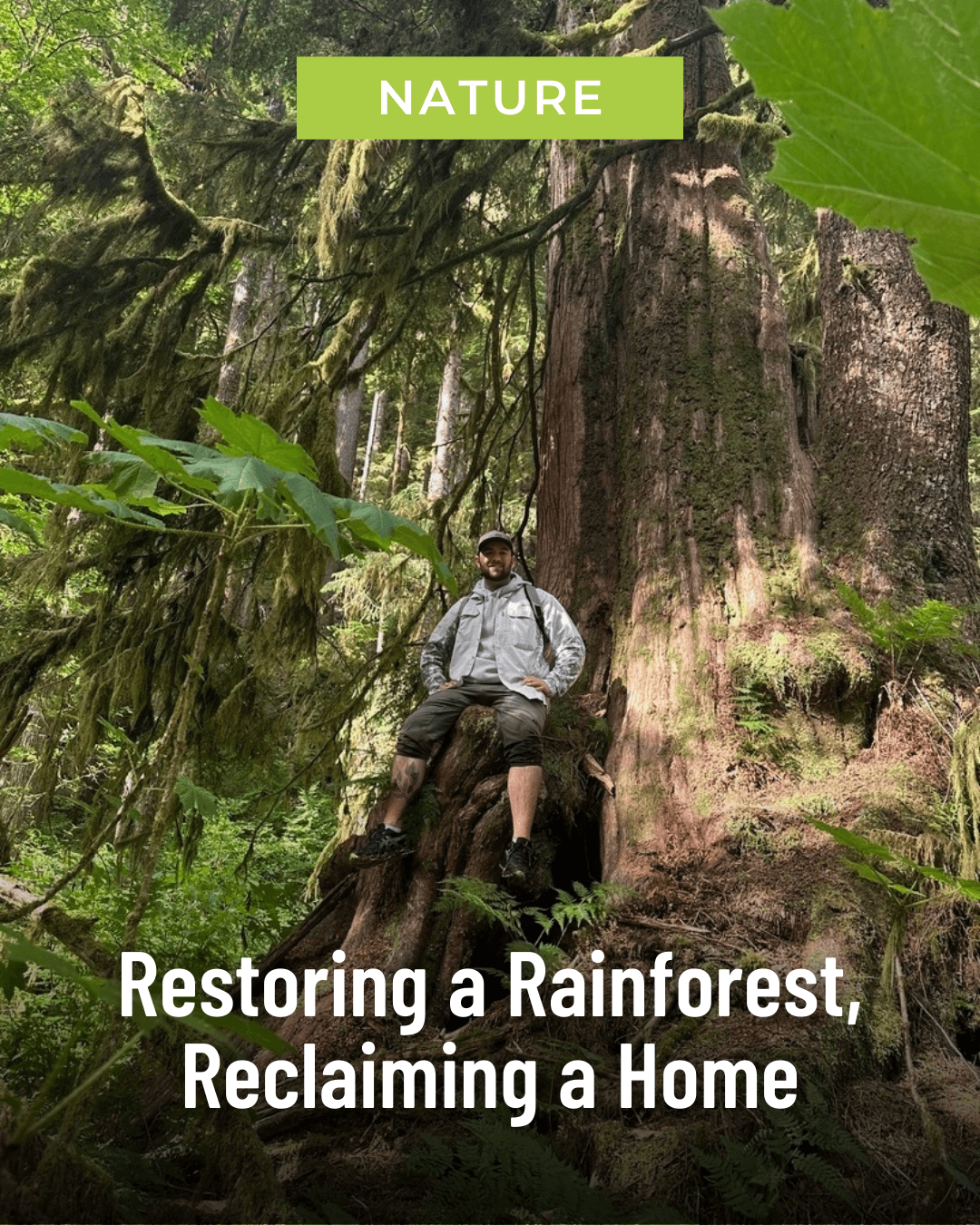
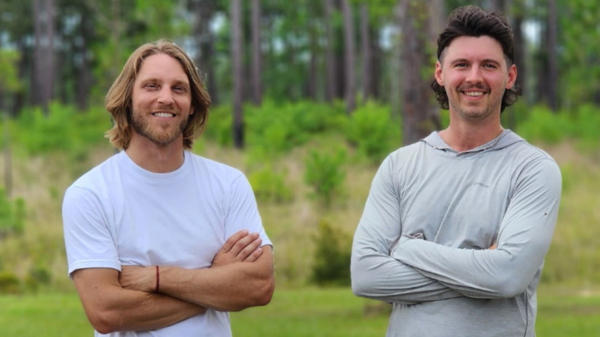
Greg Caprancia and Jacob Bopp (pictured above) run the People’s Forest Foundation, a nonprofit based on Louisiana’s Northshore, an area that was once blanketed in longleaf pine forest. Today, it’s 80 percent privately owned, and it’s been significantly altered by new land developments. Using their extensive knowledge of native plants and conservation (and a bit of Southern charm), they help private land owners and developers create microhabitats on their property and reconnect their neighbors to Louisiana’s natural history through expert talks and tours into the forest. “I want people to know that that’s your heritage,” Jacob says. “That’s yours, and we got to do something to make this better and make it happen.” Read the story. |
|
|
|
|
|
|
|
|
|
|
 |
|
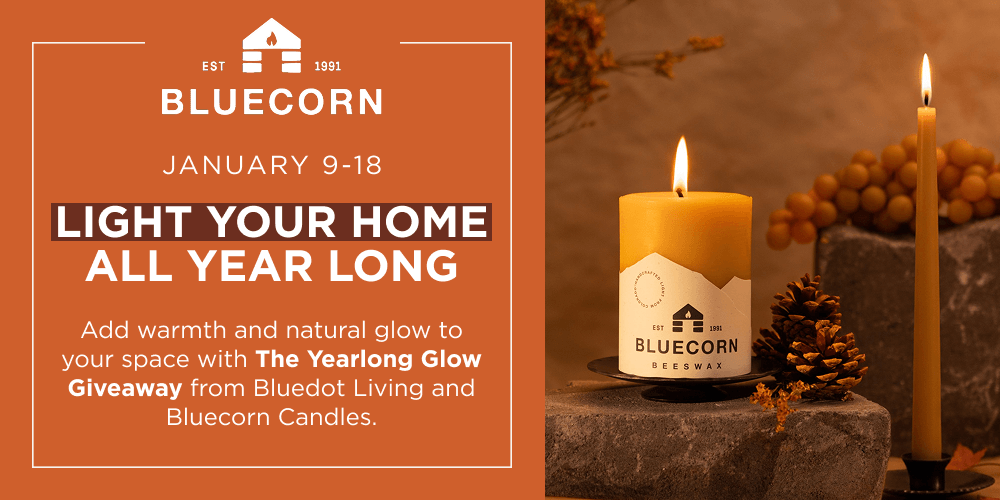
We’ve partnered with Bluecorn Candles to give one lucky winner $500 worth of handcrafted candlelight — they’ll receive a candle and surprise gift delivered every month for an entire year. Made in Colorado using pure beeswax and nontoxic ingredients, these clean-burning candles are perfect for cozy winter evenings and beautifully lit moments year-round.
|
| Enter Now |
|
Enter between January 9 at 6:00 a.m. EST and January 18 at 11:59 p.m. EST. No purchase necessary to enter or win. Open to U.S. residents aged 13 and older.
See Official Rules for more details.
|
|
|
|
|
DISPATCHES FROM ALL OVER
SUSTAINABLE LIVING ADVICE
ECO-FRIENDLY RECIPES |
|
DISPATCHES FROM ALL OVER · SUSTAINABLE LIVING ADVICE · ECO-FRIENDLY RECIPES |
|
|
|
“I firmly believe that nature brings solace in all troubles.”
– Anne Frank
|
|
|
|
|
QUICK LINKS |
|
Skip scrolling! Here's what you'll find in this edition of the Bluedot newsletter: |
|
|
|
|
|
|
|
FEATURED STORIES |
|
BIG IDEAS AND LOCAL CHANGEMAKERS |
|
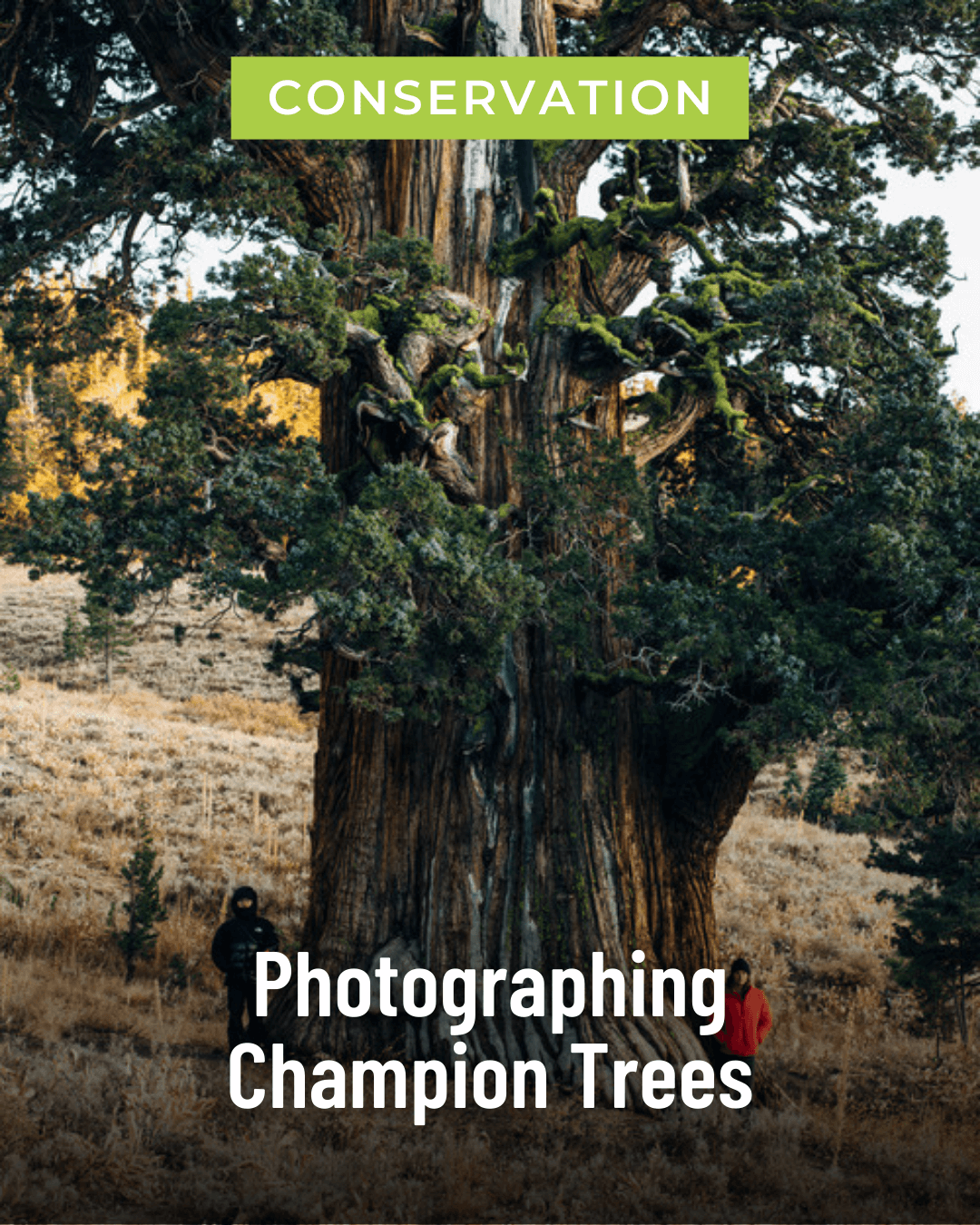
Photographer Brian Kelley is a tree detective — tracking down the locations and histories of Champion Trees, the nation’s oldest and largest, then documenting them for the rest of us to enjoy. And because we love trees, there’s more here to enjoy.
|
|
|
|
|
|
|
|
Paid Advertisement with Rooted Insight |
You have a powerful vision—an idea for the world, a business, an organization. **Let's make it real**. |
 |
|
Rooted Insight helps entrepreneurs turn ideas into structured, actionable plans that drive growth—while thinking beyond just the next step. Let's talk about what's next. |
| Schedule a Free Consultation |
|
|
|
|
|
|
|
|
|
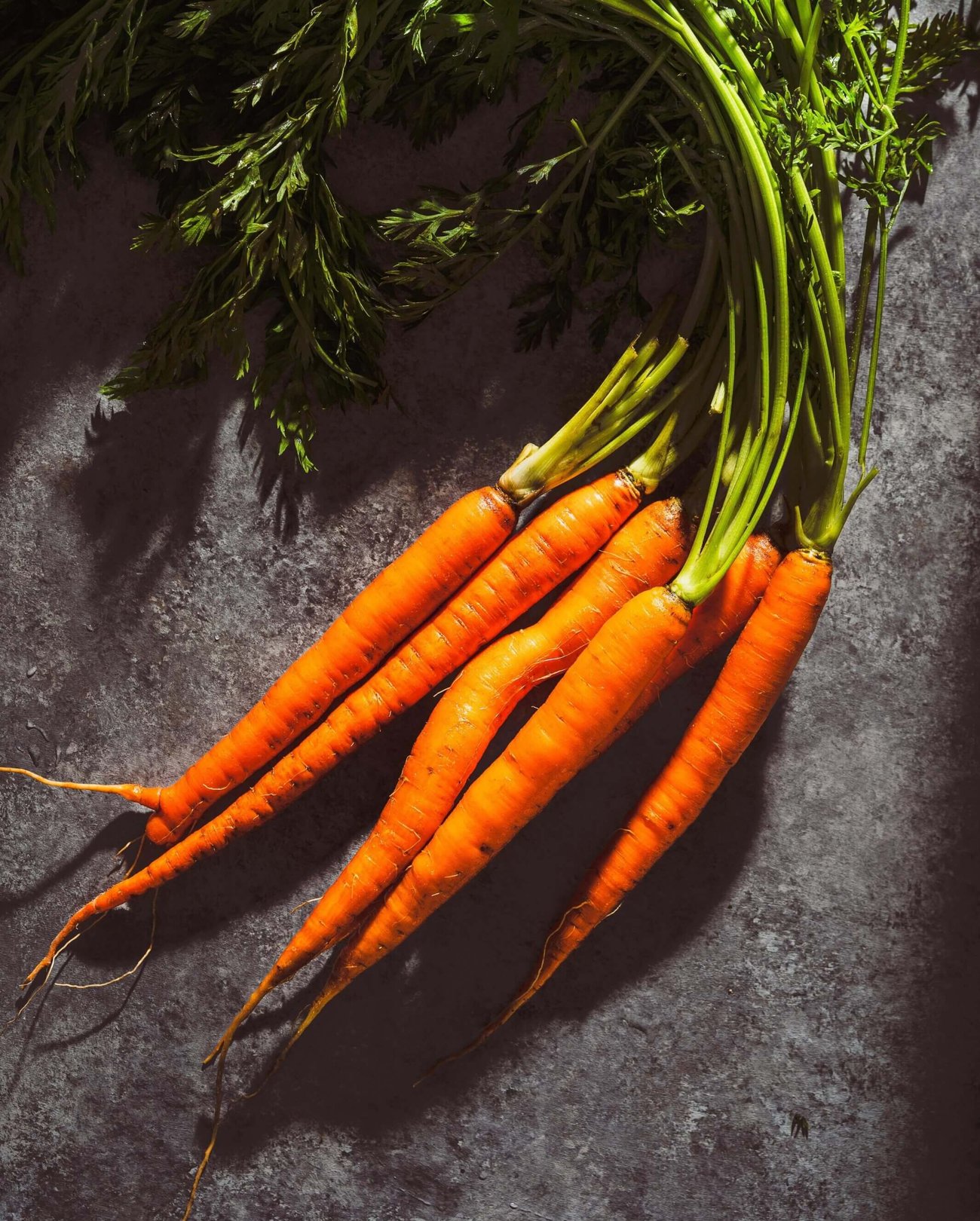
In farmers markets in January, bright, leafy carrots abound, and their green tops are good for more than just looking cute as they charmingly stick out of the top of your tote bag! They have a fresh flavor with a subtle earthiness similar to parsley, making them a versatile substitute and addition in the kitchen that you don’t have to spend any extra money on. Use them as a garnish, toss them into soups and salads for a fresh pop, or add the thicker stems to vegetable stocks for extra depth. The tender leaves work wonderfully in salsas, pestos, and chimichurris.
Learn how to use your carrots from top to bottom.
|
|
|
|
|
|
Paid Advertisement with Our Place |
The Pan That Changed the Pan
|
 |
|
The **Always Pan® **from Our Place went viral for a reason – with over 85,000 five-star reviews, it’s become a true kitchen icon trusted by over a million home cooks.
Toxin-free, naturally nonstick, and endlessly versatile, it’s designed to make cooking easier, healthier, and more enjoyable every day. Shallow enough to flip omelets, deep enough to roast chicken dinners, and beautiful enough to live on your stovetop – it’s the kind of cookware that actually makes you want to cook more. And when you’re done? It wipes clean in seconds.
Whether you’re cooking for yourself or hosting friends, the Always Pan® delivers effortless performance and timeless style in one. |
| Try the Always Pan® today and get 10% off with code NEWSLETTER10 at fromourplace.com. With free shipping, free returns, and a 100-day risk-free trial, upgrading your kitchen has never been easier. |
|
|
|
|
|
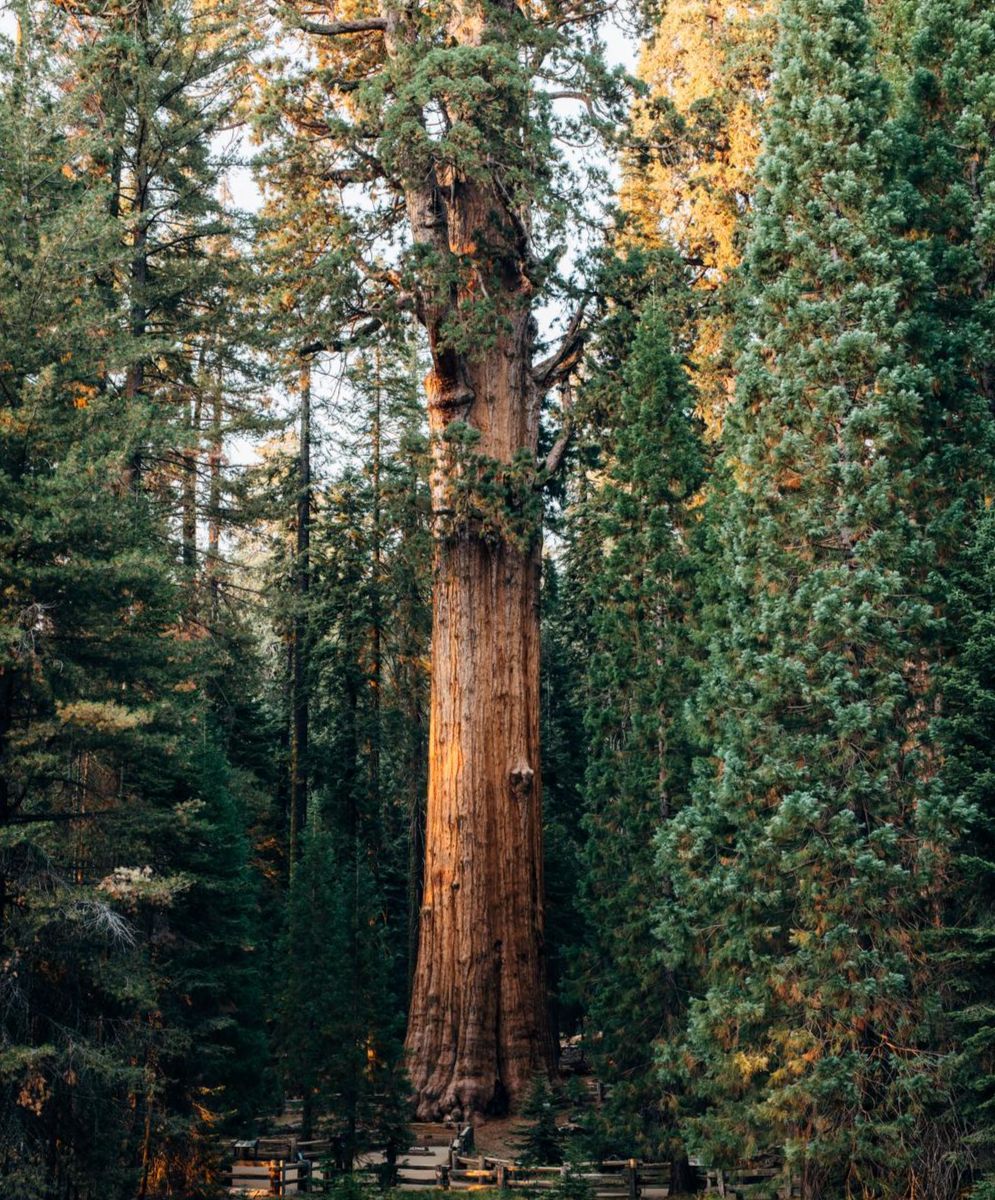
In her bestselling book Braiding Sweetgrass (find it on Amazon or Thriftbooks), Robin Wall Kimmerer writes that “Trees act not as individuals, but somehow as a collective.” Richard Powers wrote in The Overstory (available on Thriftbooks) that “Trees take care of each other. … Seeds remember the seasons of their childhood and set buds accordingly. … Trees sense the presence of other nearby life.” All of these qualities, some argue, mean trees should be accorded the same rights as other sentient beings (such as humans). Read more about it here. (This photograph by Brian Kelley is of the General Sherman sequoia in California.)
|
|
|
|
|
 |
|
Enjoy an exclusive docent-led tour of Lotusland, a 37-acre botanical estate using sustainable horticultural practices. Experience this rare collection of exotic plants and themed gardens on our upcoming Bluedot Living trip to California’s Central Coast. Designed and led by Bluedot’s founder, Victoria Riskin, this curated trip was designed with sustainability and luxury in mind and features private tours, whale watching, wine tasting, meetings with local change-makers, and inspiration to care for our planet.
|
| View Itinerary |
|
|
|
|
|
 |
|
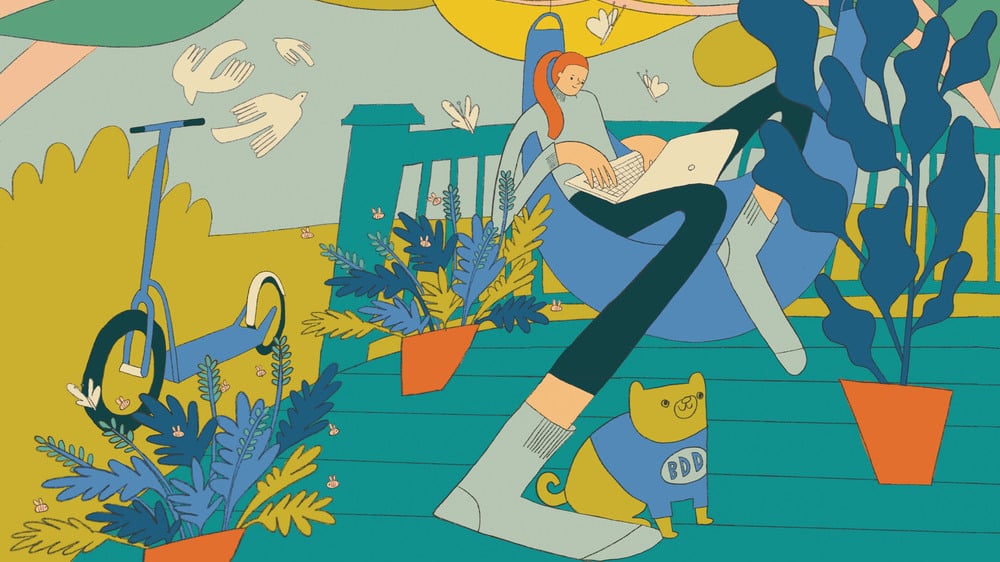
Illustration by Elissa Turnbull |
|
Dear Dot,
How much does being a vegan or vegetarian help the environment?
– Jessica
Dear Jessica,
What we eat is often baked into our respective cultures. So it’s smart to recognize that shifting people away from animal foods that are part of celebrations, religious practices, and the “feasting” that accompanies significant events requires sensitivity.
Nonetheless, there is no doubt that our global (and growing!) appetite for meat is devouring large swaths of fertile land and valuable forests. The loss of those forests means more carbon in our atmosphere. More animals for meat means an increase of, let’s call them, gaseous bovines, which means more methane in our atmosphere — a daily release per animal on par with the amount of pollution released by a car in the same period of time. Estimates for the amount of greenhouse gas reduction if we cut meat from our diets ranges from 3 percent to 30 percent.
Reducing or eliminating meat from our diets, therefore, packs an environmental punch. Want to know more and get some tips on making the shift? Keep reading.
|
|
|
|
|
|
|
|
|
|
|
|
|
|
If you make a purchase through our links, including from Amazon, we may earn a small commission. |
 |
|
|
|
|
|
|
After a season of rich meals and lots of eating out, January often reconnects us to our own kitchens. It’s a time to focus on the foods we love and prepare what nourishes us, rather than what stuffs us. This is also a great time to refresh any items that aren’t pulling their weight and reset with practical, planet-friendly tools that improve your life in the kitchen.
|
|
|
|
|
|
|
|
|
|
|
|
Our Marketplace editor is “obsessed” with Dirty Labs’ Bio Enzyme Dishwasher Detergent. She ran out late last year, purchased Cascade Platinum Pods, and says she was shocked that the pods didn’t work nearly as well as the enzyme-based powder. She swears that “Dirty Labs isn’t just the best ‘green’ detergent; it’s the best detergent, period.” ($20) Shop now.
|
|
|
|
Keep your wooden utensils and cutting boards looking their best with Earlywood’s Wood Oil. Made by a family-run woodworking shop in Montana, this simple blend nourishes and protects dry pieces, preventing them from absorbing too much color and odor from foods. A quick wipe brings even the best-loved utensils back to life. It’s like self-care for your kitchen. Shop now.
|
|
|
|
What You Can Do: Celebrate Veganuary |
|
Vegan-curious? Veganuary offers you a chance to give peas (and plant-based eating) a chance. Check out this site, complete with delicious recipes, to guide you. And, of course, subscribe to Bluedot Kitchen, which offers more mouthwatering meat-free (or meat-reduced) ways to help the planet.
|
|
|
 |
|
For every blanket purchased, one is donated to your local homeless shelter. And this colorful, timeless design — made from 95% recycled fibers — will warm up any cozy corner in your home. Find this and more sustainable products to keep you warm through the winter in the Bluedot Living Collection.
Ready to make a difference?
|
| Shop Now |
|
|
|
|
The Keep-This Handbook |
|
We love libraries for the free books (movies, classes, and more, too, of course). But many communities also offer a Library of Things — whether garden implements, children’s toys and games, sports equipment, or art supplies. Find one in your community, whether you live in the U.S., Canada, or Europe.
|
|
|
|
|
Tree Climbing |
|
When I was little, my brothers and I would climb any tree that would have us. There was a big one in our back yard, and we built a tree house in it, with a (slightly tilted) deck large enough for all four of us to sleep side by side. We packed snacks, zipped our sleeping bags together, and told stories around the warm glow of a flashlight. Branches rustled, the tree creaked, the deck held. Animals (we hoped it was animals and not escaped criminals) skittered by. Gradually, my two youngest brothers would sleepily climb down the ladder and back into the warmth of our home, with its soft, completely level beds. Not my brother Chad, who never, ever gave up on anything early. And not me.
I remained a tree climber for my whole childhood. Many decades later, I took up tree climbing again. I’d just read the book The Wild Trees by Richard Preston (available on Amazon or Bookshop), and pitched a story to my editor at Westways, a California magazine. (That editor, by the way, was Robin Jones, a co-editor of this newsletter.) “I want to go climb a 250-foot Douglas fir in Oregon, then sleep in it, to help explain the wonders of the canopies of the great trees, and to track this recent trend of recreational tree climbing,” I told her. And so I did — climbed up a Douglas fir (yes, 250 feet), which sat on a hill that sloped down 1,000 feet to the South Santiam River outside Eugene. Meaning that when I went to sleep that night in a “tree boat,” I looked over the edge, and the river was almost a quarter-mile below me. (At which point I thought: Am I nuts? I have two kids at home! They would tell me later when I returned home that although they missed me, they got some mileage out of telling their friends that their mother was off climbing trees.)
I woke the next morning to birds starting to sing from the top down. Soon, the ground crew sent up hot coffee and warm faceclothes via ropes and pulleys, and I gave thanks to the trees (and to obliging editors).
Enjoy the weekend, and we’ll see you next week.
–Jamie Kageleiry (and Emily Cain, Leslie Garrett, and Robin Jones)
Editors
Write us at editor@bluedotliving.com |
|
|
|
|
 |
|
Leslie Garrett has been covering climate stories for close to two decades. She makes her home in Canada, west of Toronto. She’s still figuring out her favorite spot but it’s definitely near the water.
Jamie Kageleiry, a longtime magazine and newspaper editor from Martha’s Vineyard, says her favorite spot on earth is out on a kayak there, looking at birds.
Robin Jones is a Southern California native who served as an editor at Westways magazine for more than a decade. She lives in Long Beach and teaches journalism at Cal State Long Beach.
Emily Cain is a recent graduate of Cal State Long Beach, where she wrote and edited for the university’s award-winning magazine, DIG. |
|
|
|
|
|
Our audience is informed, intentional, and tuned in to sustainable living. Reach our 300,000 readers by advertising here, or contact adsales@bluedotliving.com to reserve your space. |
|
|
|
|
|
|
|
|