|
|
|
|
|
|
|
Welcome to The Weekly, a Bluedot Living newsletter that gathers good news, good food, and good tips for living every day more sustainably. |
|
Welcome to The Weekly, a Bluedot Living newsletter that gathers good news, good food, and good tips for living every day more sustainably. |
|
|
|
|
SIMPLE / SMART / SUSTAINABLE / STORIES |
|
|
 |
|
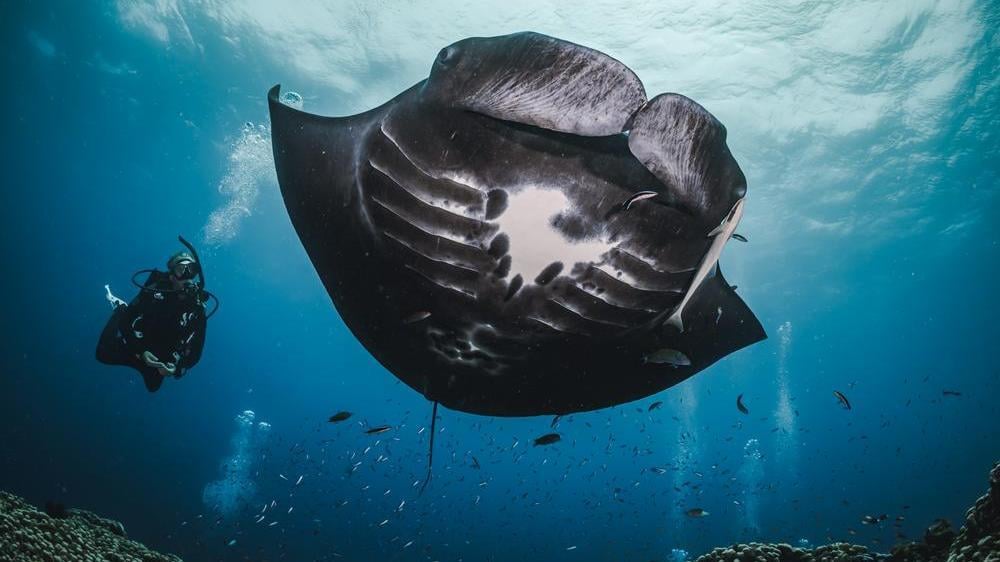
“I’d always liked rays, but it wasn’t until my first time scuba diving that I really fell in love with them,” Bluedot contributor Teresa Bergen says. “A swimming ray is one of the most graceful creatures, and they didn’t seem to mind me skimming along in tandem above.” She’s not alone; most divers she knows love both rays and sharks. But the general public? Not so much — and as one-third of shark and ray species face increased risk of extinction, they don’t have as many advocates as they need. That’s why the Professional Association of Diving Instructors recently launched a course for scuba divers focusing on the conservation of sharks and rays, as well as a global census to help document shark and ray populations. Teresa took the course and reported back to us about what she learned — like, for instance, that there’s a type of shark that can live up to 400 years. Read on.
|
|
|
|
|
|
|
|
|
 |
|
Natural fibers never go out of style. Made from premium European flax, Quince's breathable linen collection is designed to get softer with every wash while maintaining the durability that makes linen a warm-weather staple. From easygoing shirts and shorts to breezy dresses and polished separates, these versatile pieces are made to wear again and again. With its direct-to-consumer model, Quince offers premium-quality linen at an accessible price, making it easier to invest in timeless wardrobe essentials you'll reach for every year. |
| Shop Now |
|
|
|
|
|
|
|
DISPATCHES FROM ALL OVER
SUSTAINABLE LIVING ADVICE
ECO-FRIENDLY RECIPES |
|
DISPATCHES FROM ALL OVER · SUSTAINABLE LIVING ADVICE · ECO-FRIENDLY RECIPES |
|
|
|
“Conservation is a discipline with a deadline.”
– E.O. Wilson, naturalist and environmentalist |
|
|
|
|
QUICK LINKS |
|
Skip scrolling! Here's what you'll find in this edition of the Bluedot newsletter: |
|
|
|
|
|
|
|
FEATURED STORIES |
|
BIG IDEAS AND LOCAL CHANGEMAKERS |
|
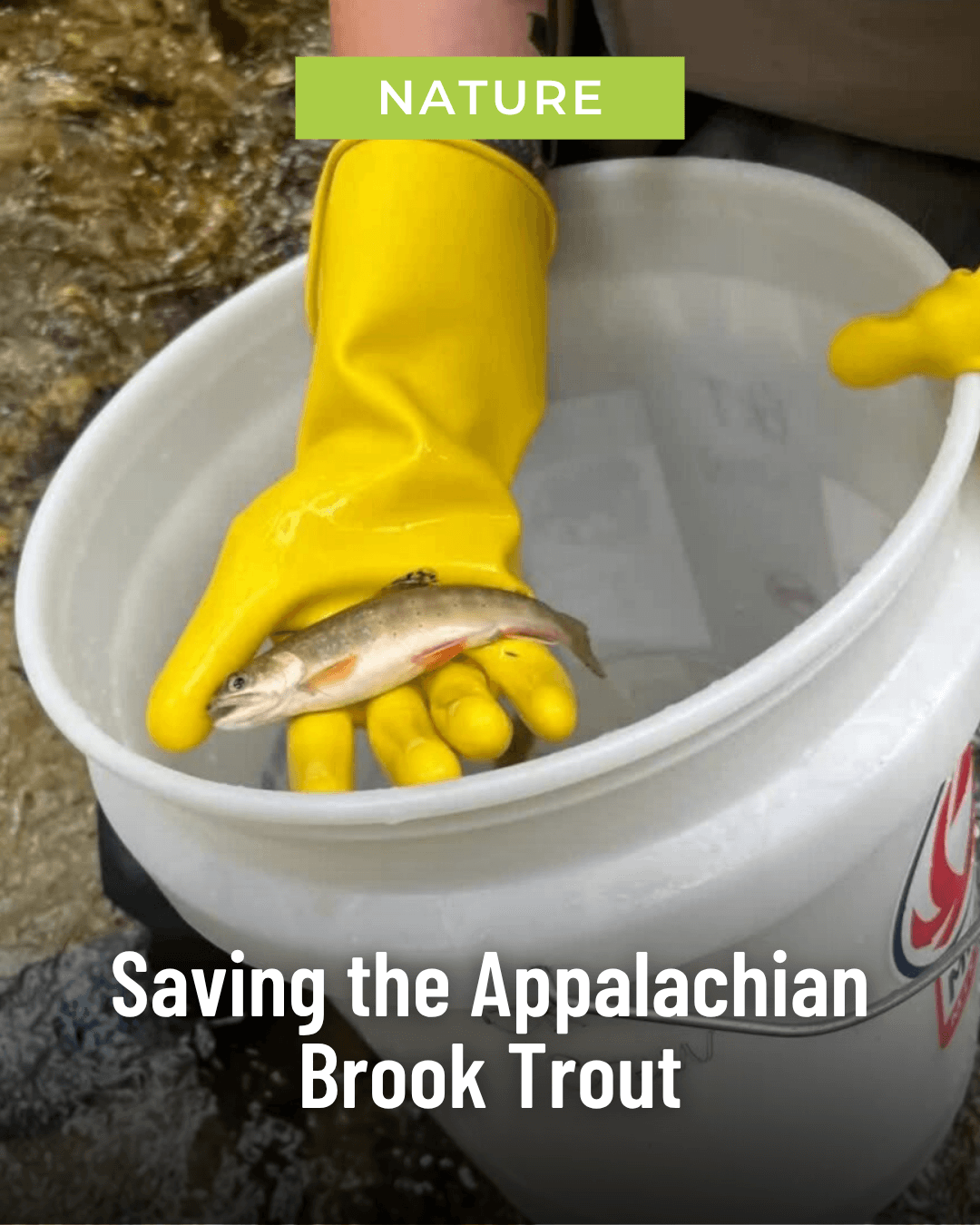
There isn’t one path toward conservation. The most successful efforts work with and adapt to the local community. These stories share how different groups are protecting local species, from Hawaii to the Blue Ridge Mountains.
|
|
|
|
|
|
|
|
|
|
|
|
|
|
|
|
When we support pollinators, we are rewarded tenfold. One of the sweetest thank-yous comes in the form of liquid gold from local beekeepers. That honey is a distinct reflection of where you live — honey from bees that feed on tupelo trees in Savannah, Georgia, tastes different from the honey you’ll find in San Diego. Celebrate local flavors with this simple recipe that is delicious enough to be the star of a charcuterie board. You don’t have to do much more than heat the oven!
Get the recipe.
|
|
|
|
|
|
|
 |
|
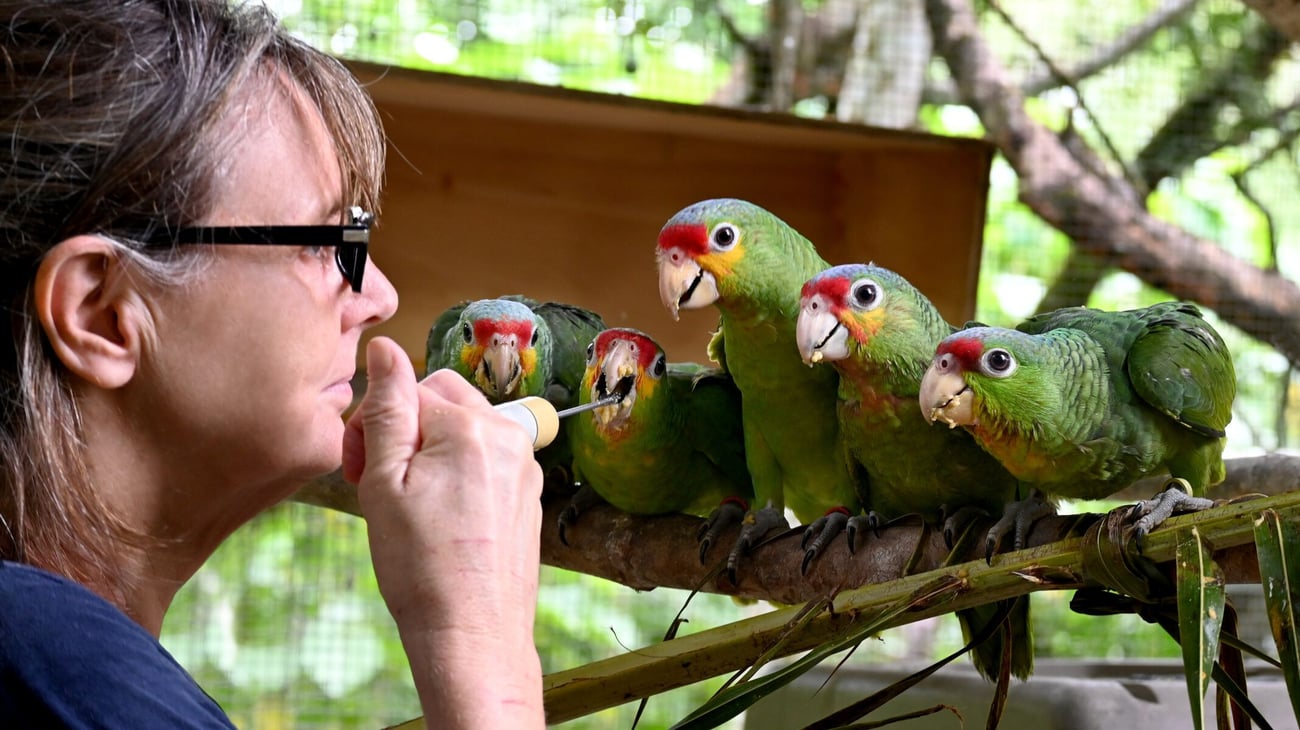
Nikki Buxton never set out to save birds. She stumbled into it soon after she moved to Belize, in 2004, when a young boy thrust a plastic bucket with two featherless baby parrots at her. They’d fallen out of a nest, he said, and though she knew nothing about rehabilitating birds, she was determined to help. Over the next few months, through trial and error, she did just that, and the parrots were eventually released back into the wild. Word of her success spread, and soon, people were showing up at her door with parrots, and in 2006, she established the Belize Bird Rescue. Today, Nikki’s home and the surrounding property are devoted to the rescue, which includes six parrot aviaries, a veterinary clinic, and raptor nurseries. The survival rate of birds at her facility is 97%, and 70% of the birds she’s taken in and rehabilitated have been successfully released. She’s also spearheaded efforts to crack down on wildlife trafficking, a major issue in Belize. Read on.
|
|
|
|
|
Paid Advertisement with Cash App |
3 money habits teens can start building now
|
 |
|
With a Cash App Card, teens can take their first steps toward independence with a secure debit card. They’ll learn how to spend, save, and manage money, all with your guidance and oversight to help them get started.
-
Learn to spend responsibly: A debit card gives them a safe way to practice managing money under your supervision. It gives you the opportunity to teach them how to make smart spending choices.
-
Start saving for their goals: Setting goals can help them see how saving a little at a time can help them reach their short-term and long-term goals.
-
Manage their own money: Whether they get paid with direct deposit or use Cash App to get allowance or gifts, they get real experience with money.
|
| Get started with Cash App |
|
Cash App is a financial services platform, not a bank. Banking services provided by Cash App’s bank partner(s). Prepaid debit cards issued by Sutton Bank, Member FDIC. Cash App Visa® Debit Flex Cards issued by Sutton Bank, Member FDIC, and The Bancorp Bank, N.A., pursuant to a license from Visa U.S.A. Inc. See terms and conditions for the Sutton prepaid card (https://cash.app/legal/us/en us/card-agreement), Sutton debit flex card (https://cash. app/legal/us/en-us/debit-flex-card-agreement-sutton), and Bancorp debit flex card (https:// cash.app/legal/us/en-us/debit-flex-card-agreement-bancorp). |
|
|
|
|
|
|
 |
|
Illustration by Elissa Turnbull |
|
In a recent Feel-Good Friday, Dot shared this incredible jaw-dropping Feel-Good news for green sea turtles: “For more than 40 years, the green sea turtle appeared on the IUCN Red List as Endangered,” reports the UK sustainable menswear company Rolf Skeldon. “In October 2025, the IUCN formally reclassified the green sea turtle as Least Concern. It did not move one category. It did not inch forward gradually. It skipped two classifications entirely, jumping straight from Endangered to Least Concern without pausing at Vulnerable or Near Threatened. In the history of the Red List, that kind of movement is rare. It represents one of the most significant conservation recoveries ever recorded.” You won’t want to miss this account of how it happened.
|
|
|
|
|
|
Made from a blend of plant-based cellulose and cotton, Swedish dishcloths are an eco-friendly alternative to paper towels and disposable sponges. They’re incredibly absorbent, making quick work of spills, splatters, and everyday kitchen messes. When they need a refresh, just run them through the dishwasher or washing machine. You can even compost them once they’ve stopped being of service. Available in dozens of cheerful colors and patterns, they prove that even cleaning up can be a little more fun.
|
|
|
|
|
What You Can Do: Buy Sustainable Souvenirs |
|
Plenty of what’s on offer in souvenir shops around the world is actually made with materials harvested from endangered species, such as tortoiseshell, coral, or ivory. To ensure you’re not inadvertently participating in illegal (or unethical) trade, follow World Wildlife Fund’s advice on sustainable souvenirs.
|
|
|
|
|
 |
|
Join a community creating real change, one everyday action at a time. Bluedot Living equips readers with practical resources, inspiring stories, and solutions that work — 98% say we have helped them make planet-positive changes. Become a member for as little as $5/month to support hopeful climate journalism and enjoy exclusive member benefits. |
| Learn More |
|
|
|
|
The Keep-This Handbook |
|
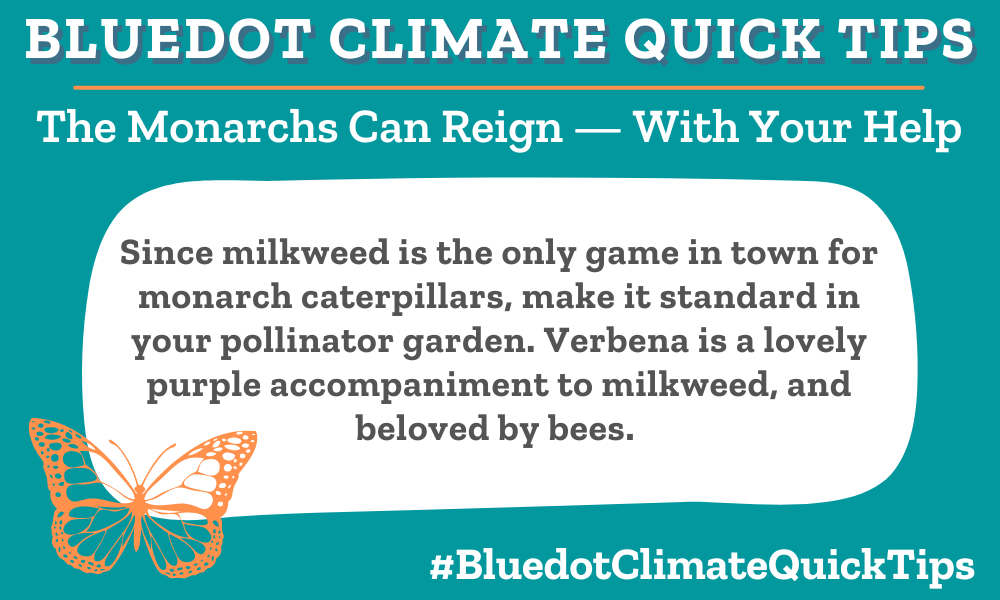
With much of their habitat gone or disappearing, migrating monarch butterflies can use all the help we can offer. Bluedot’s gardening expert Laura McLean guides us on how to create a monarch waystation.
|
|
|
|
|
A World of Vanishing Species
|
|
We were inspired to focus this week’s newsletter on the tireless work being done to protect endangered species following news that the Trump administration is working hard to remove protections. Though a federal court struck down Trump’s attempts in his first term (the Sierra Club reported that “the ruling reaffirms that federal agencies must use the best available science when assessing harm to species, they cannot ignore incremental harm to critical habitat, and the agencies must firmly commit to any measures relied upon to reduce harm to imperiled plants and animals”), his administration is back at it. This time, they're creating new regulations that, as the Sierra Club again reports, end “the practice of automatically extending key ESA [Endangered Species Act] protections from killing, injury, and harassment to newly listed ‘threatened’ species.”
What’s more, they say, “The U.S. Fish and Wildlife Service and National Marine Fisheries Service repealed their regulatory definitions of ‘harm’ under the Endangered Species Act, paving the way for the modification or degradation of habitat by extractive industries, even if doing so kills or injures imperiled wildlife.”
The Endangered Species Act, enacted in 1973, is bedrock legislation, and any weakening of it immediately threatens such species as grizzlies, manatees, and salmon, the Sierra Club says. Which is why they, along with a number of other conservation groups, are suing the government to protect wildlife. It’s hard to believe that protecting endangered species is controversial. Surely we can acknowledge that we all benefit from a healthy, robust ecosystem. Alas, it seems that not all of us recognize that.
If you want to help, contribute to your favorite conservation group (we love the Sierra Club, Earthjustice, and Center for Biological Diversity, among others), contact your reps, and let friends and family know what’s happening so we can all push back.
Enjoy the weekend, and we’ll see you next week.
– Jamie Kageleiry, Leslie Garrett, Emily Cain, and Robin Jones
Editors
Write us at editor@bluedotliving.com |
|
|
|
|
 |
|
Leslie Garrett has been covering climate stories for close to two decades. She makes her home in Canada, west of Toronto. She’s still figuring out her favorite spot but it’s definitely near the water.
Jamie Kageleiry, a longtime magazine and newspaper editor from Martha’s Vineyard, says her favorite spot on earth is out on a kayak there, looking at birds.
Robin Jones is a Southern California native who served as an editor at Westways magazine for more than a decade. She lives in Long Beach and teaches journalism at Cal State Long Beach.
Emily Cain is a recent graduate of Cal State Long Beach, where she wrote and edited for the university’s award-winning magazine, DIG. |
|
|
|
|
|
Our audience is informed, intentional, and tuned in to sustainable living. Reach our 300,000 readers by advertising here, or contact adsales@bluedotliving.com to reserve your space. |
|
|
|
|
|
|