|
|
|
|
|
|
|
Welcome to Your Daily Dot where Dot will share tips, advice, and stories on how we can make our world better. |
|
|
|
|
|
If you purchase anything via one of our links, including from Amazon, we may earn a small commission.
All Dear Dot illustrations by Elissa Turnbull. |
|
|
|
|
|
Dear Reader,
Hurray for Feel-Good Friday, when Dot rounds up some of the most heartwarming and heartening climate stories to underscore the progress that is consistently being made, even when we’re not paying attention, and to remind us all that our climate crisis is being fought on many fronts by many brilliant and ordinary people.
Let’s start with our hardworking trees, which, according to this study, help reduce the risk of postpartum depression in Black women simply by existing. Every 10% increase in visible street-level greenery that these pregnant women accessed reduced that risk by 4%.
|
 |
|
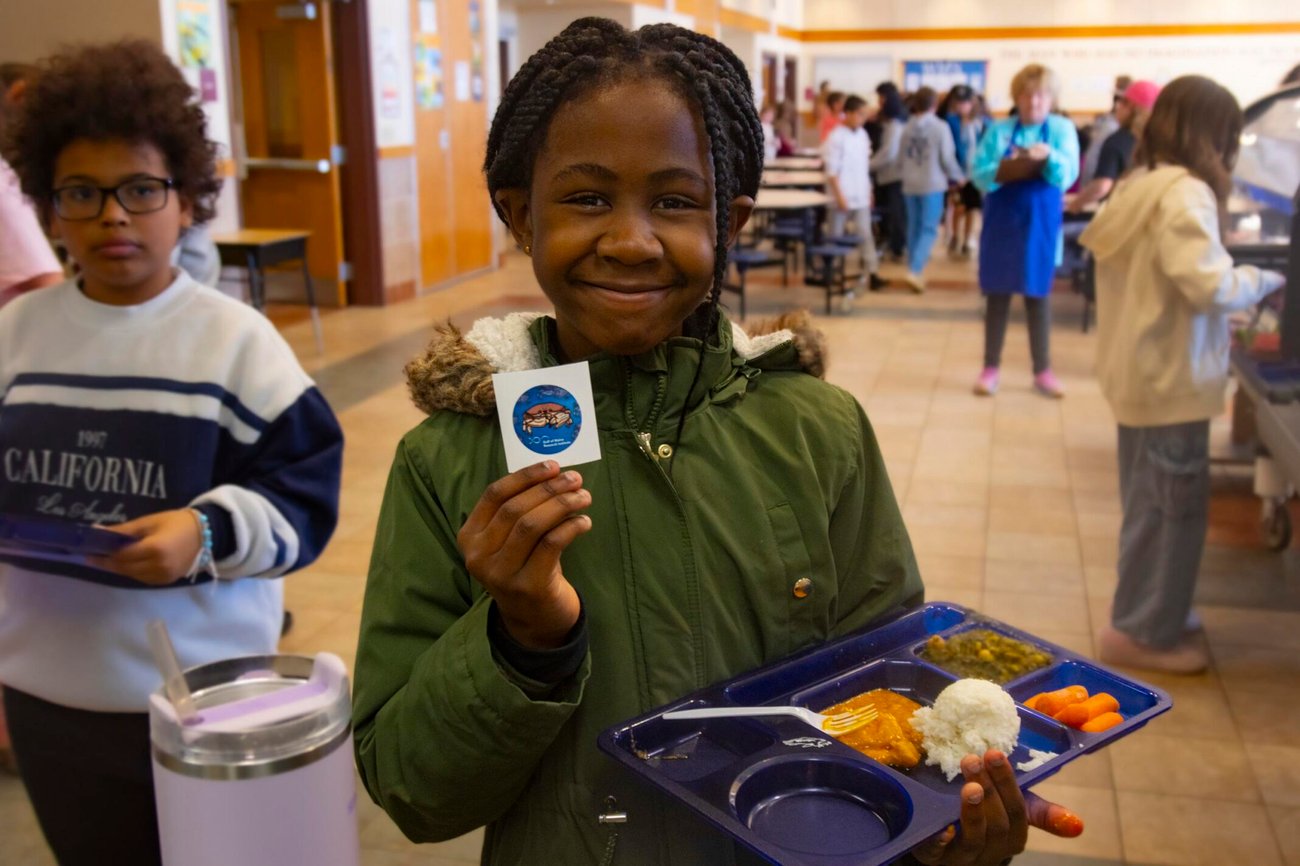
Fifth grader, Faith, loved the fish and showed off a sticker from the Gulf of Maine Research Institute. – Photo by Sam Moore |
|
In California, a program repurposed more than 75,000 pounds of what would have been considered seafood waste in order to provide 88,000 healthy school lunches. That initiative reminded Dot of this Bluedot story about a cafeteria in Maine that served up culturally relevant wild-caught seafood to students while helping prop up an area’s fishery.
And more good news: Manitoba farmers managed record harvests despite drought and flooding, in large part by using low- and no-till farming methods, which boost the health of soil. You can read more in Bluedot’s story outlining how to protect soil health, What's So Bad ABout … Carbon?, in which one farmer noted that, “After three years of not tilling, applying compost, and adding cover crops, the soil structure has totally changed. She also notes that she’s seeing more insects and pollinators, which are attracting more birds. ‘The changes we can see with our own eyes are really powerful and encouraging.’”
Positively,
Dot
|
|
|
|
|
 |
|
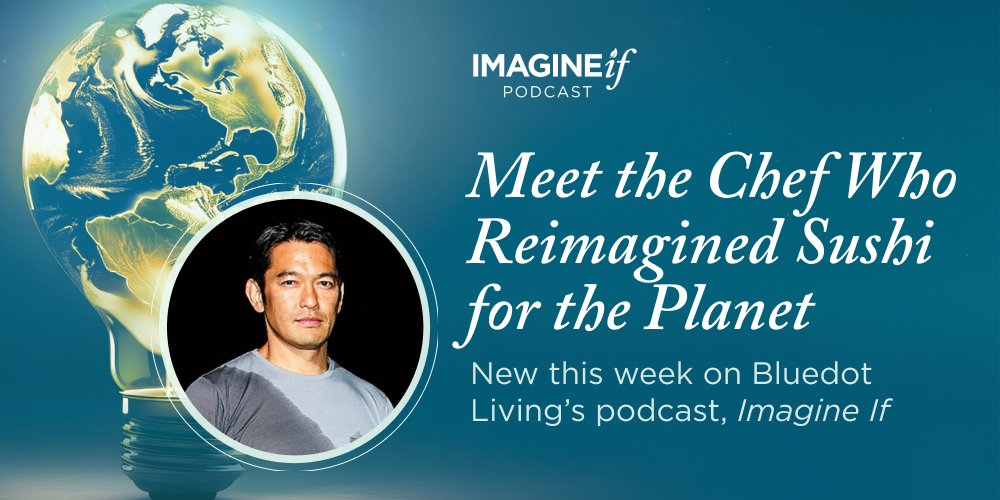
What if the food on our plates could help restore the planet? This week on Imagine If, we’re joined by chef and sustainability pioneer Bun Lai of Miya’s Sushi for a conversation at the intersection of food, climate, and biodiversity. From removing unsustainable seafood from his menu to transforming invasive species into tools for ecological healing, the James Beard Award nominee shares how flavor, curiosity, and cultural connection can invite people into climate solutions. Drawing on decades of experimentation and education, he reminds us that food is more than nourishment — it’s a powerful way to care for our communities and the ecosystems we depend on.
Click now to listen on your favorite listening platform!
|
|
|
|
|
|
|
|
|
|
Paid Advertisement with Organixx |
Can You Barely Keep Your Eyes Open? The Struggle is Real… |
 |
|
It’s 2 pm… and once again, you can barely keep your eyes open. You’re slamming coffee, splashing water on your face, eating candy, and just doing whatever you can to stay awake. When really, all you want to do is climb under your desk and take a nap.
For millions of people over 35, the problem isn’t just late nights or a busy schedule—it’s a simple mineral deficiency that’s ruining your sleep, keeping you up at night, and leaving you drained during the day.
Organixx Magnesium 7 is the complete solution, with seven highly absorbable forms of magnesium that target every pathway your body uses for relaxation and recovery.
The result?
Fall asleep in minutes
Stay asleep for hours
Wake up ready to power through your day
Flash Sale - Buy 2 Get 1 Free |
| Try it Risk Free? 365 day money back guarantee. |
|
|
|
|
|
|
|
|
|
|
|
|