|
|
|
|
|
|
|
Welcome to Your Daily Dot where Dot will share tips, advice, and stories on how we can make our world better. |
|
|
|
|
|
If you purchase anything via one of our links, including from Amazon, we may earn a small commission.
All Dear Dot illustrations by Elissa Turnbull. |
|
|
|
Dear Reader,
Each time we launder our synthetic clothing, we unleash millions of microplastic particles into the environment. Indeed, synthetic textiles are the largest source of microplastics in our environment. Thus far, attempts to stem the release of these particles into waterways have focused on washing machines — either garment bags that act as filters, filters that attach to your washing machine, or the Cora Ball. Now attention is turning to the role that dryers might play in stemming airborne microplastic particles.
Researchers discovered evidence of increased microplastic concentrations downwind of laundromats, leading them to conclude that dryers were also spreading microplastics into the environment. Indeed, a story in Anthropocene reports, the researchers estimated that “as many as 570 trillion bits of laundry-generated plastic could be captured yearly if every household installed a secondary dryer filter.” Dot had little luck tracking down a dryer filter for microplastics (most dryer filters allow the tiny particles through), though a Reddit user suggested adding a high-CADR particulate filter to your outside vent to capture microplastics that get past the filter in your machine. Stay tuned, and I’ll report more when I’ve either tracked down a dryer filter for purchase or discovered a simple DIY option. (Or tell Dot if you’ve found or created a dryer filter that works!)
In the meantime, there are some simple things we can do to reduce the amount of microplastics released into our environment:
🧺 wash less frequently (is the item actually dirty or have you just adopted a habit of washing after each wear?)
🧼 wash full loads: the more clothes, the less friction, the fewer microfibers released
💧 wash clothes in cold water (again, fewer microfibers released. And bonus! Cheaper for you)
🧦 hang dry: Heat from dryers can break down synthetic fibers, not only releasing more microfibers via your dryer vent but also making your clothes wear out faster
Cleanly,
Dot
|
|
|
|
|
 |
|
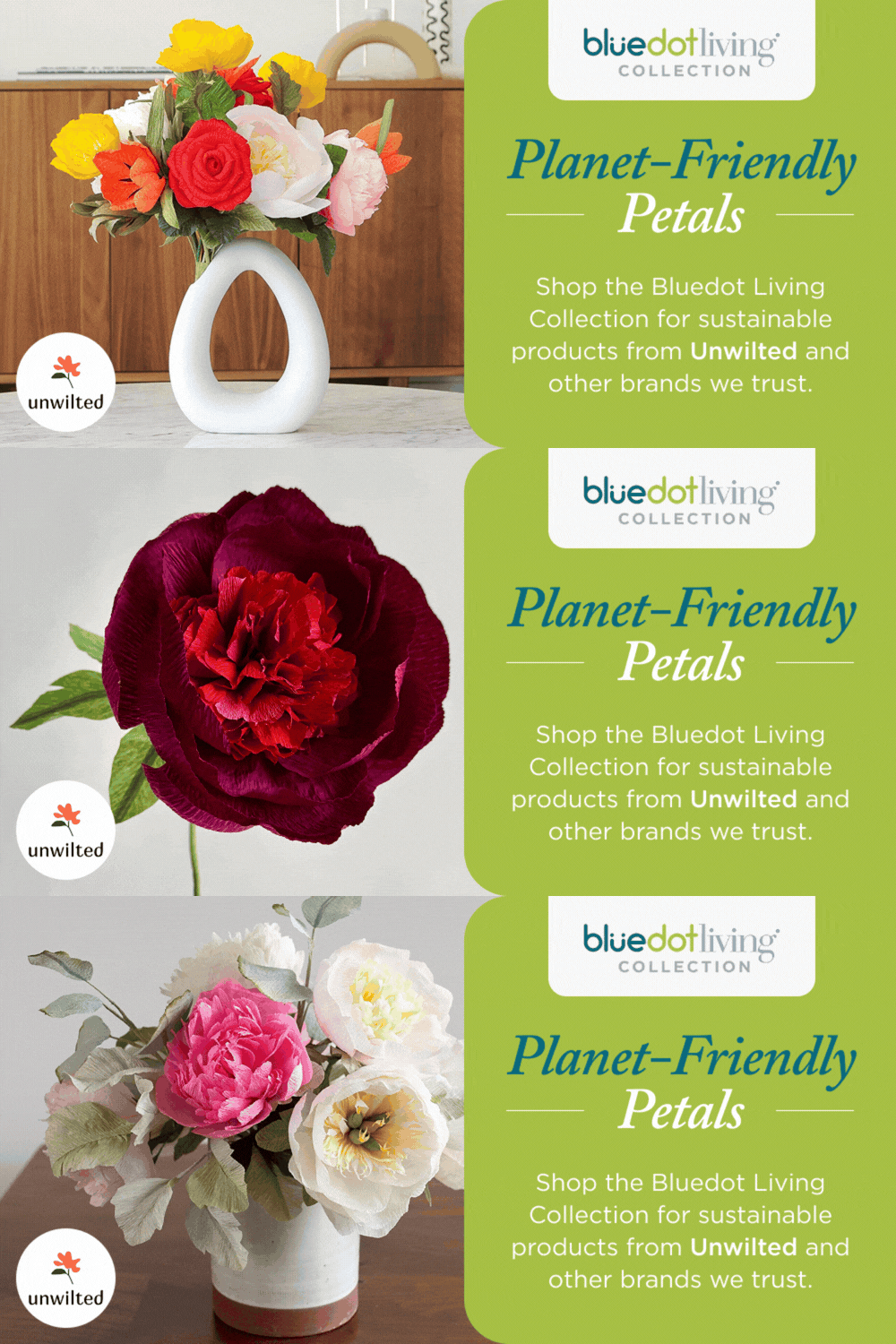
Liz Carter always loved flowers, but a decade running a fresh flower shop made her realize that her love of fresh blooms wasn’t necessarily compatible with her love for the planet. So, she founded Unwilted, a company that turns sustainably sourced paper into stunning, life-like floral arrangements. These bouquets are “designed to last, just as your love and gratitude do.” Find this and more sustainable products in the Bluedot Living Collection.
|
| Shop Now |
|
|
|
|
|
Paid Advertisement with Cash App |
Teach Them Money Habits That Last |
 |
|
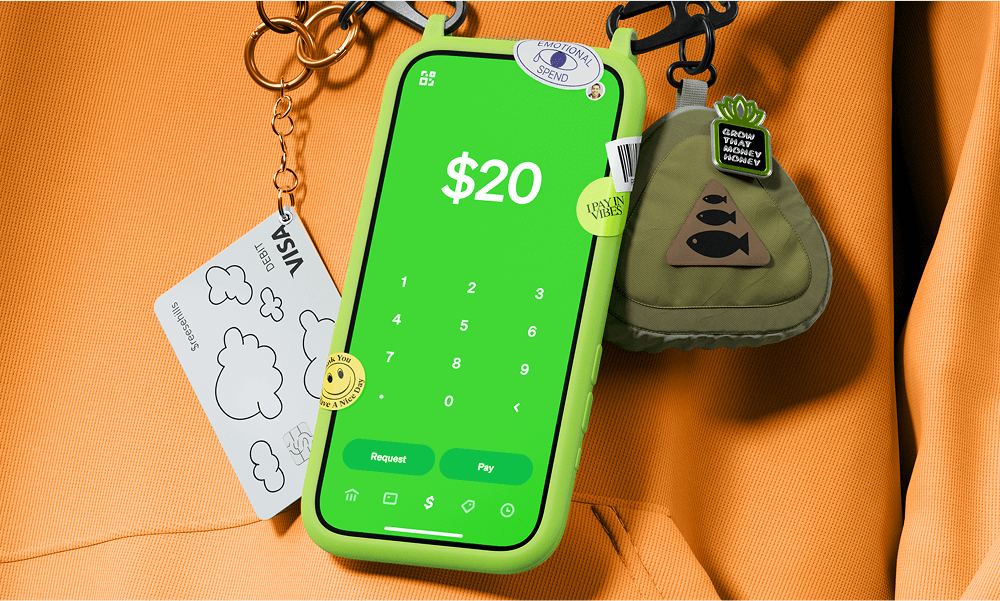
Helping your teen learn to manage money is a big step, and Cash App Card makes it easy for both of you. They get a secure debit card and easy ways to save and send money, while you stay in the loop every step of the way.
All with no monthly or hidden fees for you or your teen.
Why millions of families trust Cash App Card:
**Instant discounts on everyday spending?**
Add offers and save on groceries, restaurants, rides, and more.
No monthly or hidden fees
Shop in-store and online where Visa is accepted with no monthly or hidden fees.
24/7 fraud monitoring
Avoid scams before they can happen with proactive security features.
Oversight and control
Review your teen’s spending, control who can send them requests, and lock their card if it’s ever lost or stolen. |
| Get Started |
|
Cash App is a financial platform, not a bank. Banking services provided by Cash App’s bank partner(s). Prepaid debit cards issued by Sutton Bank, Member FDIC. See Terms & Conditions. To view the eligibility requirements for sponsoring a teen, please visit the Sponsored Accounts section of the Cash App Terms of Service. |
|
|
|
|
|
|
|
|
|
|
|
|