|
Welcome to Bluedot Santa Barbara! Every other Sunday, we share stories about local changemakers, sustainable homes and yards, the nature all around us, along with planet-friendly recipes and advice from Dear Dot. Please email us with story ideas at sbeditor@bluedotliving.com. Together, we can make a difference for the blue dot we call home. |
|
|
|
Welcome to Bluedot Santa Barbara! Every other Sunday, we share stories about local changemakers, sustainable homes and yards, the nature all around us, along with planet-friendly recipes and advice from Dear Dot. Please email us with story ideas at sbeditor@bluedotliving.com. Together, we can make a difference for the blue dot we call home. |
|
|
|
|
|
SIMPLE / SMART / SUSTAINABLE / STORIES |
 |
|
Most of us think of drones as a toy at best, a nuisance in nature, and a weapon of war at worst. But writer Sam Moore introduces us to Oceans Unmanned, a Santa Barbara-based environmental nonprofit using the fast-growing tech to monitor the environment in ways we couldn’t before. He writes, “As drone technology has become cheaper, easier to use, and more widely available, it’s opened up exciting opportunities for researchers, government agencies, and conservation groups. Counting seals, identifying whales from the sky, mapping coastlines in three dimensions to track sea level rise — all things that once required the time-and-labor-intensive resources of human-piloted aircraft — are now feasible on a much smaller budget.” |
|
|
|
|
 |
|
As the largest locally owned community bank on the Central Coast, Montecito Bank & Trust remains committed to our founding principle: to make the communities we serve better places to live and work. Part of that commitment includes fostering a culture of sustainability within our organization and supporting sustainable initiatives in our community. |
|
|
|
Quick Links |
|
Skip scrolling! Here’s what you’ll find in today’s Bluedot Santa Barbara Newsletter: |
|
|
|
|
 |
|
|
|
|
|
|
|
|
|
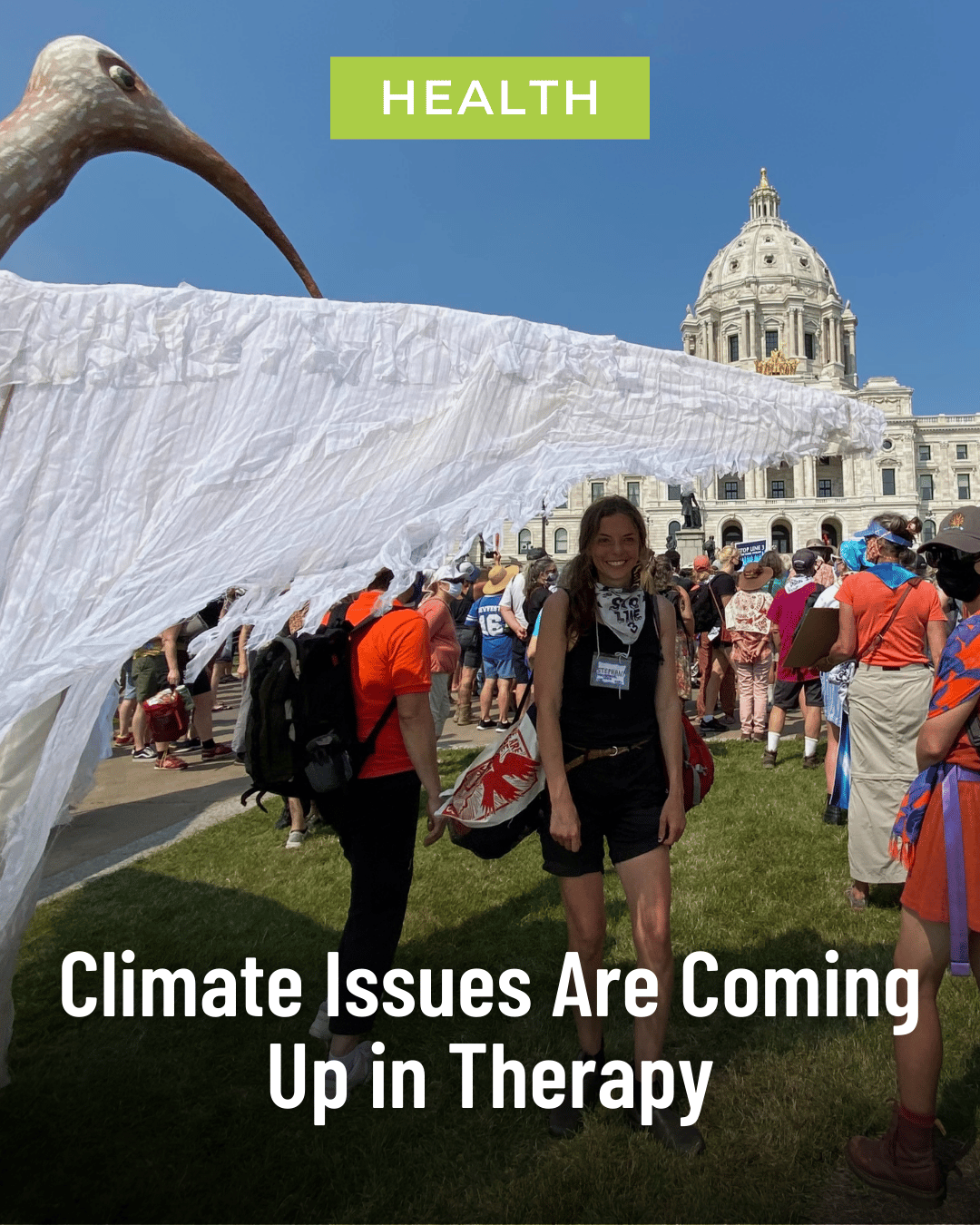
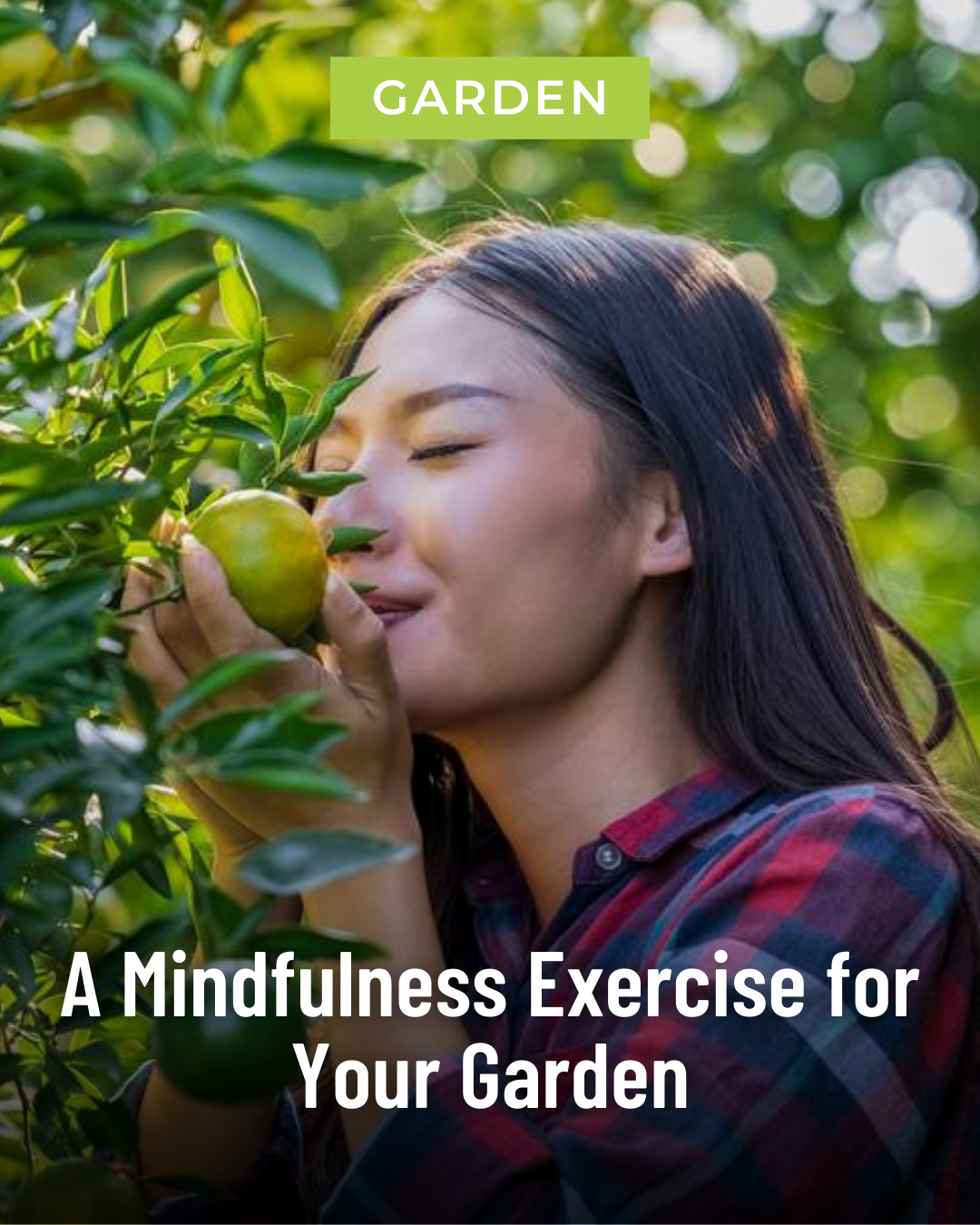
We’ve all felt it: eco-anxiety. It can be like depression or grief, or angsty and near-panic. When you take a deep dive into the state of our planet, it’s easy to get down. And the news isn’t exactly filled with uplifting stories (unless you’re a Bluedot subscriber!). Writer Jill Webb reports that mental health professionals are noticing that environmental issues are popping up in therapy. So you’re not alone, and it’s okay not to be okay sometimes. And if you want to feel a little better, head into a garden with green thumb and therapist Laura McLean for a little mindfulness exercise to decrease your stress (there’s even an audio version to guide you). |
|
|
|
There's a Reason Over 4 Million Professionals Read This Newsletter |
|
|
|
|
|
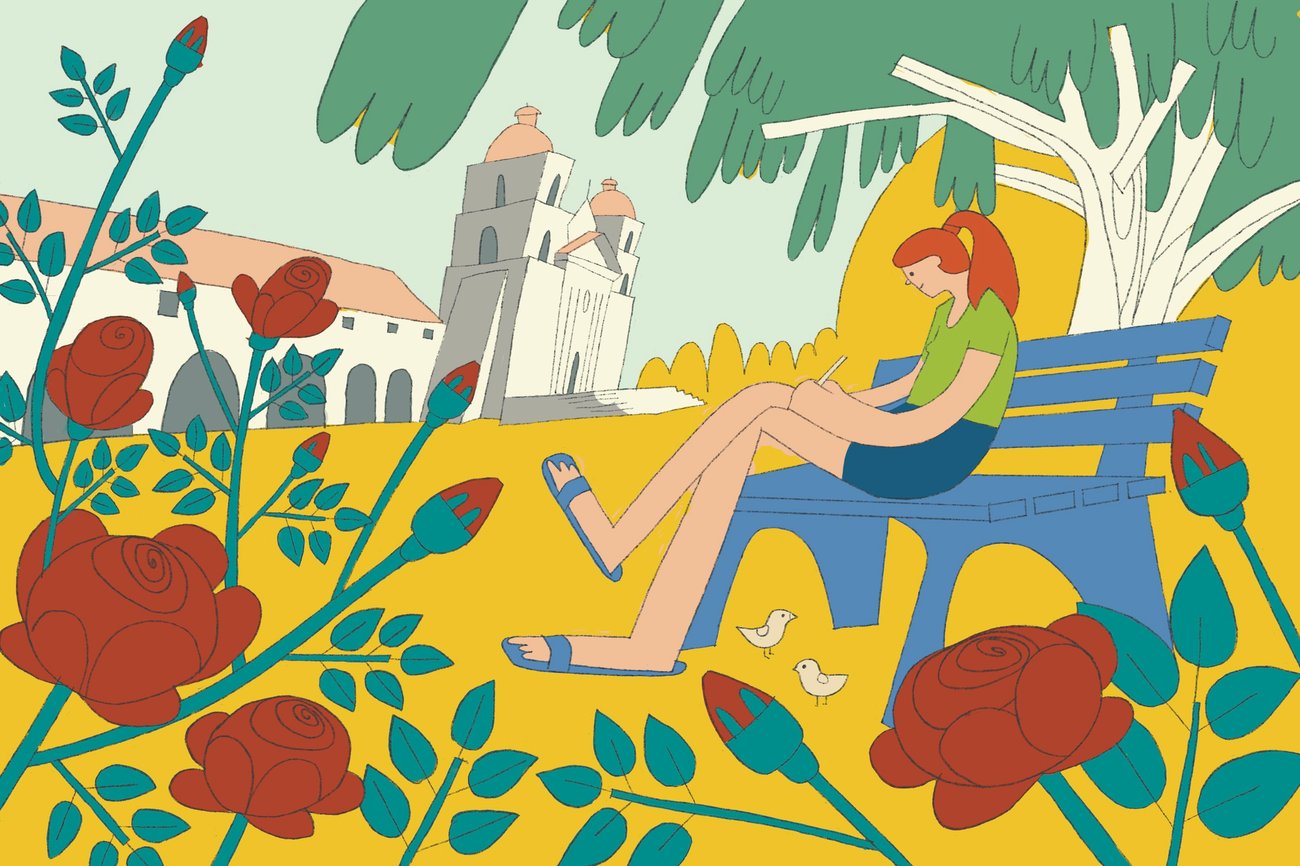
Dear Dot: Is It Time to Ditch Diamond Engagement Rings? |
 |
|
Dear Dot,
My longtime partner and I are planning to get married. I don’t usually go for a lot of the conventional stuff but we have decided to give each other rings. I’ve heard some nasty stuff about diamonds and gold mining. How can we show our love for each other without harming anyone else?
–Kate
Dear Kate,
You might seek out jewelry made with recycled materials, including gold, which, at least, is much less carbon intensive than newly mined gold. Look for Fairmined Ecological Gold/Fairtrade Ecological Gold, which supports small-scale, artisanal miners.
Or take a page from Dot’s wedding album and look for estate jewelry. If you prefer a more modern look, you can even have stones removed and reset, or metals melted down, depending on your aesthetic. While the diamond/metal itself mightn’t be less dirty, you’re at least not contributing to a market for more. The damage has been done, to put it bluntly.
Read the rest of Dot’s answer.
Got a question for Dot? Write her at deardot@bluedotliving.com. |
|
|
|
Sign up now for daily musings and advice from Dear Dot. |
 |
|
|
|
|
|
Paid Advertisement |
|
|
|
|
|
Bluedot Kitchen: Vegan Taco Tuesday |
|
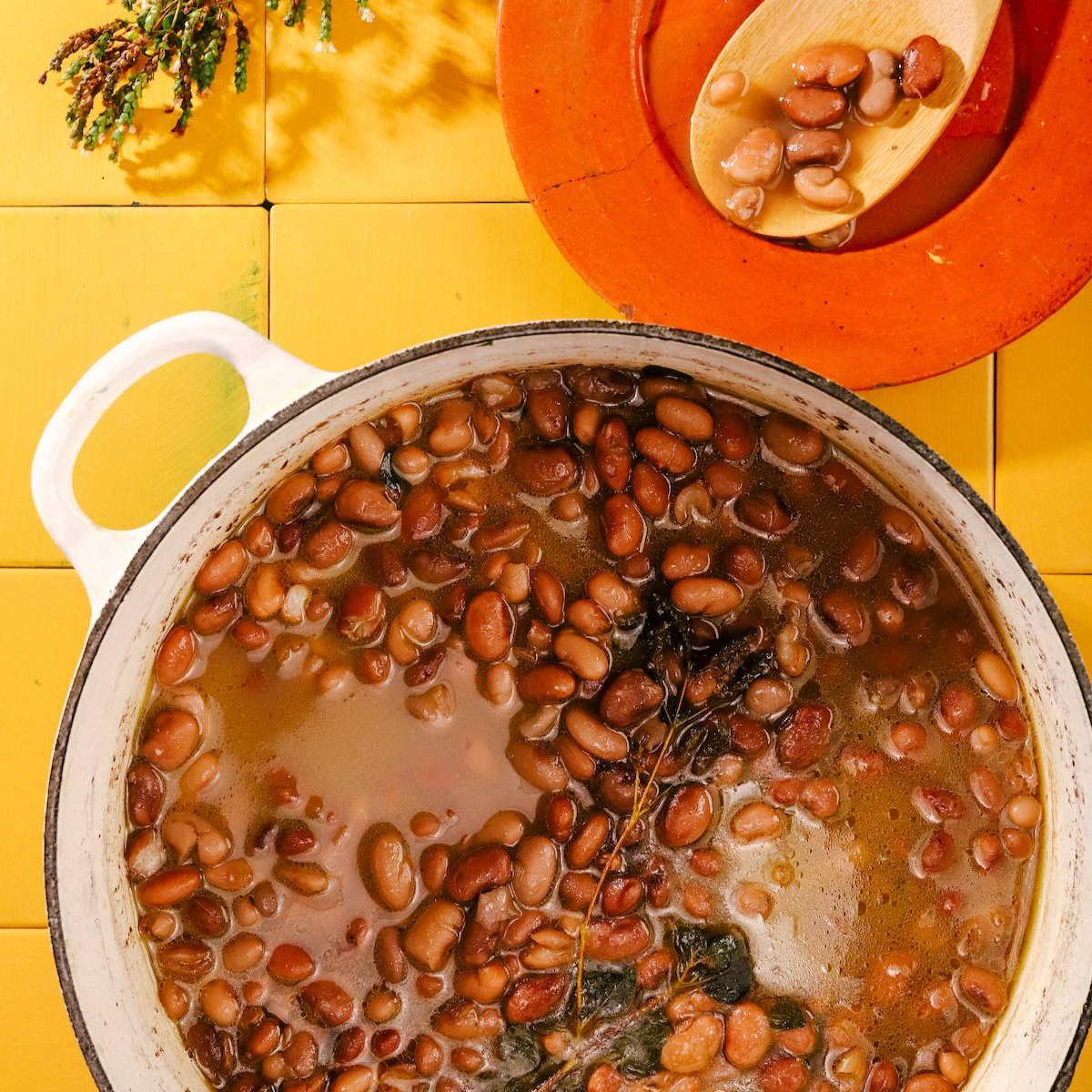
Next time you’re planning a Taco Tuesday, make it vegan with these two recipes featuring fresh vegetables, smoky tempeh, and warm spices. |
|
|
|
|
|
|
 |
|
|
|
BUY LESS/BUY BETTER: Staying Warm in Style |
|
|
|
The Bluedot Marketplace includes affiliate links. We may earn a commission when you purchase products through our links. |
|
Nothing feels better than being prepared, whether it’s for a crisp walk in crunchy leaves or a night out stargazing. We love these two outerwear makers for their distinct sartorial points of view. |
|
|
 |
|
An Old Favorite |
|
From regenerative wool to recycled nylon to organic chenille, Eileen Fisher offers responsible clothes to feel good about cozying up in. This season, we’re pleased to see bright pinks, greens, and purples in the designer’s winter collection. (For women.) |
|
Buy now or read our review. |
|
 |
|
A Hip Newcomer |
|
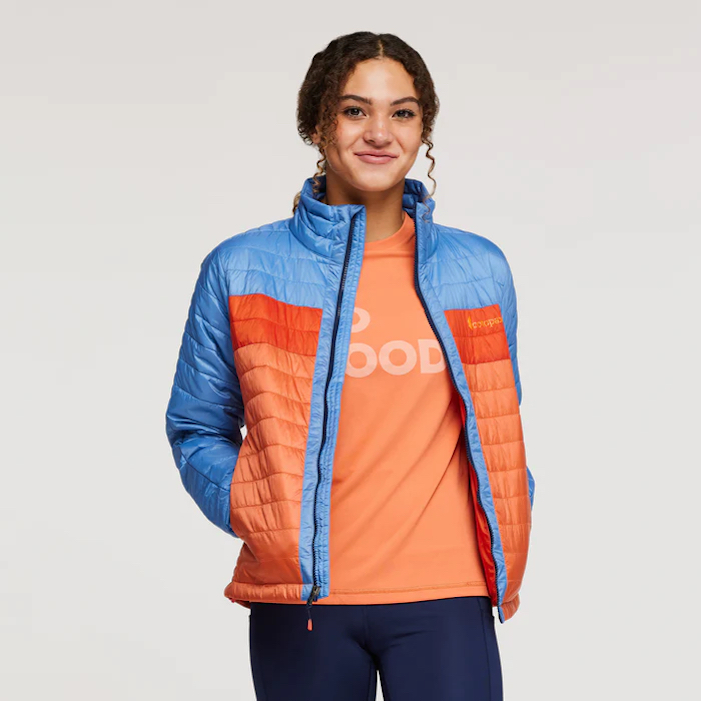
Cotopaxi, a relatively young brand, makes distinctive outerwear and bags from recycled materials. It’s also Climate Neutral Certified and a 1% for the Planet member. Their cheerful outerwear includes both vegan and responsible down options. (For women, men, and kids.) |
|
Buy now or read our review. |
|
|
|
|
|
|
|
“Good Sam’s Social Ventures initiative was formed with the explicit recognition of the importance of food security; of education and job training; and of the dignity and sense of pride one derives from a job well done,” writes Julie Lawrence, Director of Social Ventures at Good Samaritan Shelters. “And how all of those things, when attended with patience and care and compassion and expertise, can lead to lasting, life-changing, sustainable change. Connecting those concepts with the natural abundance of California’s Central and South Coasts is what makes Good Samaritan’s Social Ventures so exciting.” Read more about these new initiatives. |
|
|
|
|
|
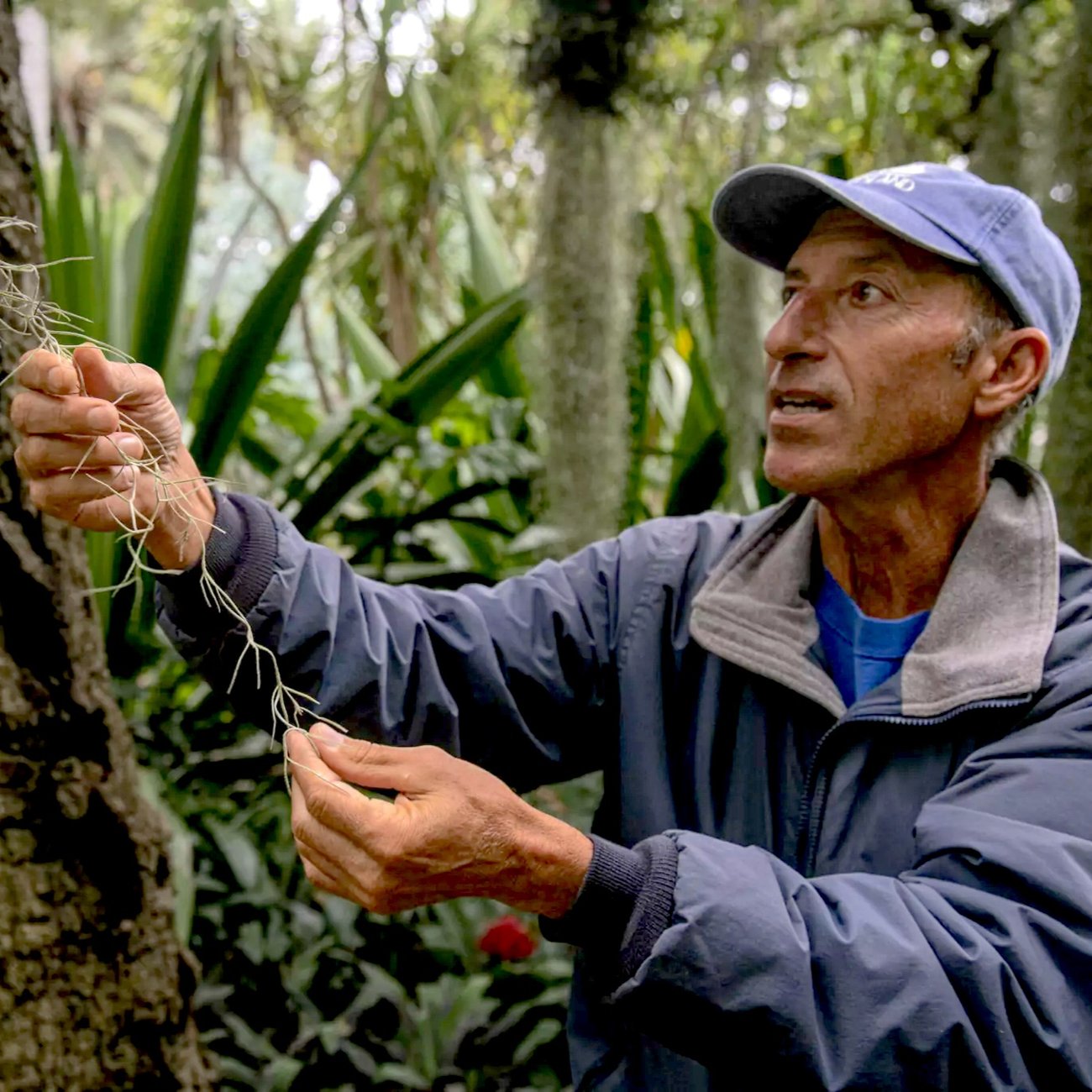
When Corey Welles started working at Lotusland Botanical Gardens in 1990, the landscape of exotic plants was withering under a load of pesticides and fertilizers. Pests were rampant and plants were sick. Large sections of the gardens were frequently shut down for spraying, and heavy rains sent the topsoil flowing down the road like a milkshake. “Finally I got fed up with it,” he remembers. “I said we need to start changing because what we’re doing is not working.” They changed. It worked. |
|
|
|
|
|
The Only Constant Is Change |
|
As kids, we both played in scraps of woods that were converted into houses before our eyes. It’s a common first experience of environmental loss, if a mild one. And our world keeps changing, for better and for worse. Problems come up, and people try to solve them with varying degrees of success. We have LED lightbulbs and wind farms, but we still have dying coral reefs and sweltering summers. The air in U.S. cities is dramatically cleaner than decades past, but then that progress gets temporarily obliterated by wildfire smoke.
Even when things look bleak, the one thing we cannot afford is resignation. That’s the whole message of Bluedot Living: that YOU CAN make choices (personal and political) that lead to change for the better. We hope you’ll contribute to helping us change the world. And the world IS going to change. In which direction is up to us.
Thanks for being here! We’ll be back in two weeks.
–Nicki and Jim Miller
Editors, Bluedot Living Santa Barbara
sbeditor@bluedotliving.com |
|
|