|
|
|
|
|
|
|
Welcome to Your Daily Dot where Dot will share tips, advice, and stories on how we can make our world better.
All Dear Dot illustrations by Elissa Turnbull.
|
|
|
|
|
|
|
|
Dear Reader,
On September 2, the United Nations Environment Programme released a report confirming what many scientists have long expected: the world is on track to overshoot its goal of keeping warming under 1.5°C. Under current policies, the median projection is 2.6°C of warming by century’s end; if we act aggressively, optimistic projections put us at 1.8°C.
As climate activist and author Bill McKibben noted in his newsletter, The Crucial Years, this isn’t really news — “in fact we’ve been in ‘overshoot’ for decades now.” He points out that 350.org, which he helped found in 2008, took its name from the 350 parts-per-million CO2 concentration scientists once considered the upper limit of safety. We passed that mark in 1986.
The key point of the report: how high the overshoot goes, and how long it lasts before we bring temperatures back down, is still up to us. This is a moment for action, not despair. (For a really clear breakdown of the report, check out what former Daily Dot climate hero Ayana Elizabeth Johnson has to say.)
Renewable energy remains the most accessible, highest-impact lever we have, even though it isn’t yet deployed at the scale needed: The UN report notes that “Accelerating the renewable energy revolution is crucial. On the supply side, limited-overshoot scenarios suggest scaling renewables to 60–70% of global electricity generation by 2030, supported by grid expansion, storage and demand flexibility.” McKibben adds an important caveat: building clean energy only works if it’s paired with actively retiring dirty energy.
Even that, however, only gets us to net-zero, which stops temperatures from rising further but doesn’t undo the warming already locked in. That’s where carbon dioxide removal (CDR) comes in: restoring carbon sinks like peatlands and forests, and scaling up more experimental approaches including Direct Air Capture (which removes existing atmospheric carbon, unlike the point-source carbon capture pitched by oil and gas). But here’s a catch: none of this exists yet at the scale required, which is why it must be built now.
We haven’t a second to waste. As Bill McKibben wrote, “Remember — every tenth of a degree that the temperature goes up moves 140 million people into a more dangerous climate zone.”
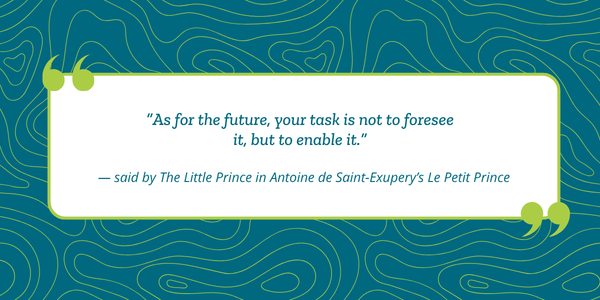
The Little Prince assures us that we don’t have to be able to see the future to enable it. Which means, it’s time to get to work. For those in the U.S., consider phonebanking with Ayana and the Environmental Voter Project (Dot does!). For those in the U.S. and everywhere else, join a group, plant a tree, call a rep, run for office, chair a committee, build community. Find concerned others and let’s enable the future we want.
Heatedly,
Dot
|
|
|
|
|
 |
|
Join a community creating real change, one everyday action at a time. Bluedot Living equips readers with practical resources, inspiring stories, and solutions that work — 98% say we have helped them make planet-positive changes. Become a member for as little as $5/month to support hopeful climate journalism and enjoy exclusive member benefits. |
| Learn More |
|
|
|
|
|
|
|
|
|
|
|
Paid Advertisement with Money |
Money.com compared 2026's top-rated pet insurers
|
 |
|
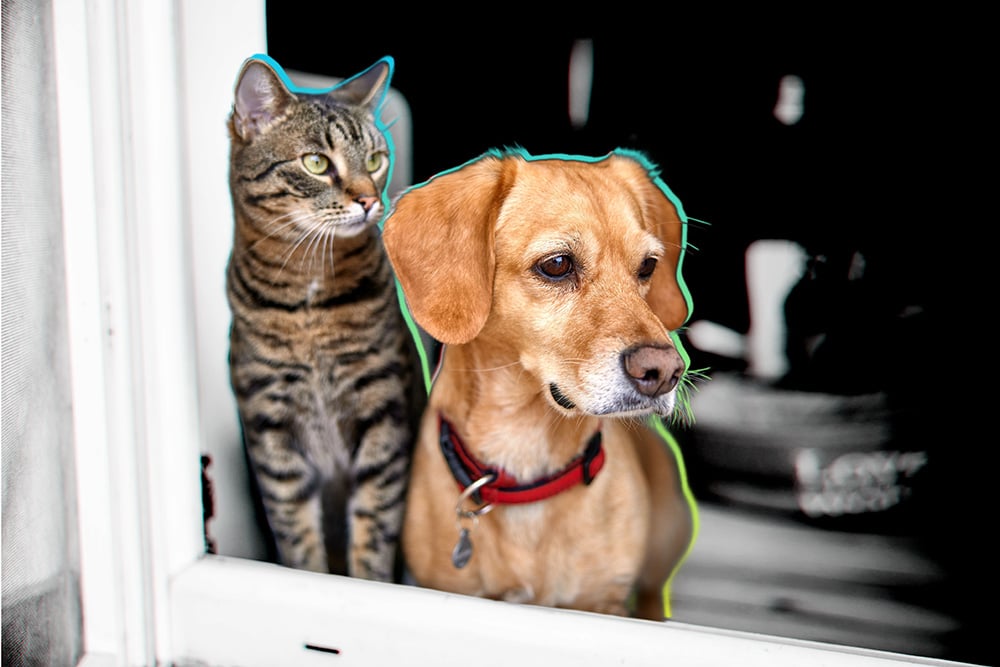
One surprise vet bill can run into the thousands. A single surgery can hit $7,000, and cancer treatment can top $10,000. The right plan reimburses up to 90% of that; the wrong one leaves you guessing. Money ranked this year's top pet insurance providers side by side, so you can see who covers what, which plans are actually affordable (some start at $10 a month), and which fits your dog or cat. |
| See Money's ranked list of 2026's best pet insurers |
|
|
|
|
|
|
|
|
|
|
|
|
|
|