|
|
|
|
|
|
|
Welcome to Your Daily Dot where Dot will share tips, advice, and stories on how we can make our world better. |
|
|
|
|
|
|
|
If you purchase anything via one of our links, including from Amazon, we may earn a small commission.
All Dear Dot illustrations by Elissa Turnbull. |
|
|
|
Dear Reader,
When we consider the devastating impact of a warming planet on human lives, we typically look to things like wildfires, floods, and hurricanes. But among the deadliest climate disasters in 2025 were heatwaves, sometimes called “silent killers.” Down To Earth cites a new annual report by World Weather Attribution that analyzed climate-fueled disasters around the world and concluded that 157 extreme weather events in 2025 met its humanitarian impact criteria. Floods and heatwaves were the most frequent, with 49 events each, followed by storms, wildfires, and droughts. Of the 22 events studied in depth, 17 were found to have been made more severe or more likely by climate change.
According to the analysis, “human-induced climate change has made extreme heat both more intense and far more frequent since the Paris Agreement was signed in 2015. Global temperatures have risen by about 0.3°C over that period, adding an average of 11 additional extremely hot days each year worldwide.”
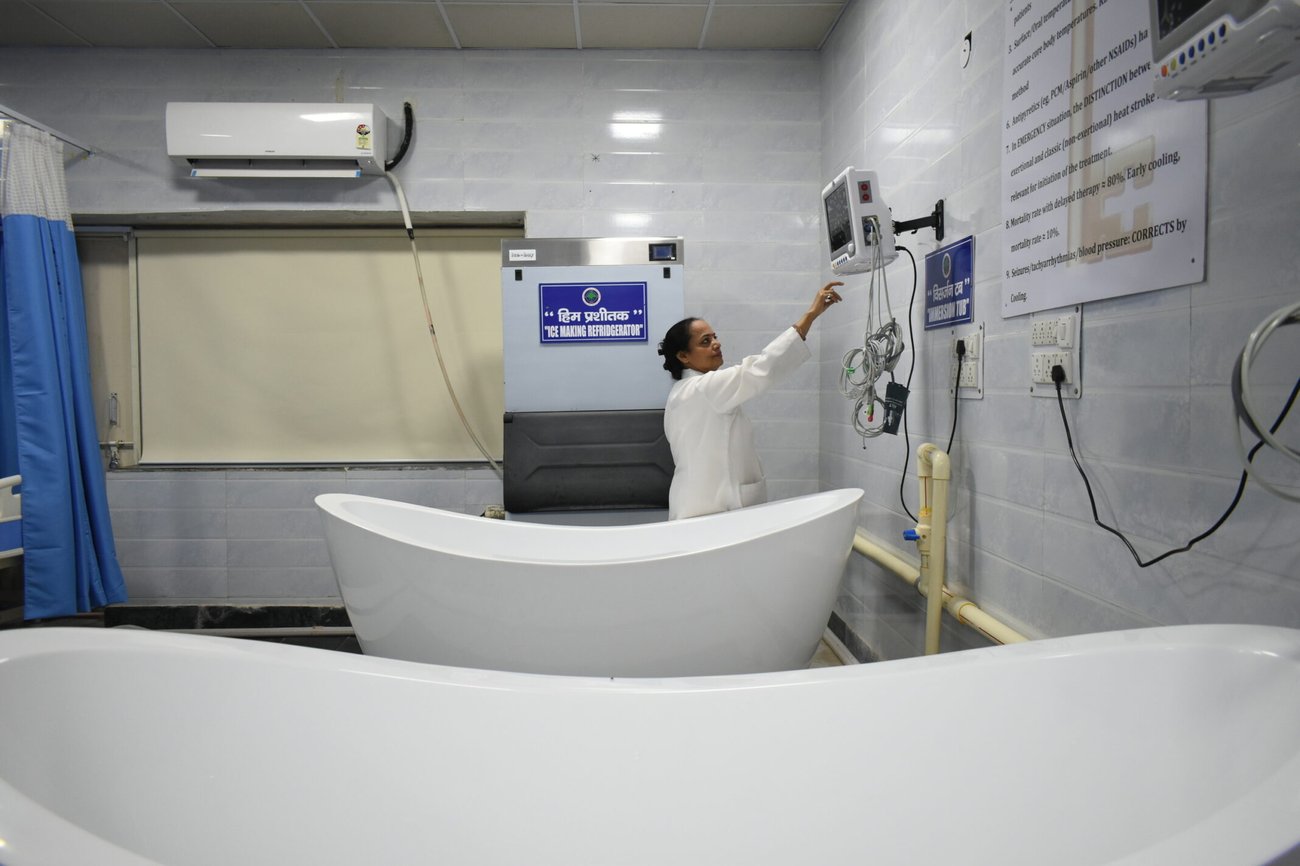
Consequently, as Bluedot has reported, cities around the world are having to respond, and we’re seeing such measures as this hospital in India adding a heat stroke unit, and New York City’s comprehensive emergency response. (See also Bluedot’s tips on how a community can respond to extreme heat.)
|
 |
|
A hospital in India has responded to more frequent and more devastating heat waves by opening a heat stroke unit. |
|
What we hear less about is perhaps the simplest solution: Shade. From trees.
A new study in the journal Nature reveals just who’s cooling off beneath those shade-giving canopies. “Strictly by looking at which areas are shaded, we can tell where rich people and poor people live," said Fabio Duarte, a researcher from MIT's Senseable City Lab, who analyzed the findings.
Shade segregation is a reminder that trees aren’t just lovely; they can be life-saving. “With increasing temperatures, providing shade is an essential public amenity," Duarte told MIT News. "I think providing shade in pedestrian spaces should almost be a public right."
Shadily,
Dot
|
|
|
|
|
 |
|
Sustainability isn’t about perfection — it’s about progress. Tell us what’s shifted for you, whether it’s reducing waste, shopping more intentionally, or reusing what you already have. Your input helps shape what Bluedot Living creates next.
As a small thank-you, you’ll get 20% off in our online store after completing the survey.
|
| Take the Survey |
|
|
|
|
|
|
|
Paid Advertisement with Oricle Hearing |
|
Brain-Boosting Hearing Innovation
|
 |
|
When your hearing struggles, your brain works overtime to fill in the gaps, which can affect memory, focus, and energy over time. Horizon IX from hear.com lightens that load. This tiny, virtually invisible device uses advanced German dual-processing technology to separate speech from background noise, so conversations feel effortless again. Built for modern life and all-day comfort, it’s available with a 45-day no-risk trial so you can hear the difference for yourself. |
| Qualify Today |
|
|
|
|
|
|
|
|
|
|
|
|