|
|
|
|
|
|
|
Welcome to Your Daily Dot where Dot will share tips, advice, and stories on how we can make our world better. |
|
|
|
|
|
If you purchase anything via one of our links, including from Amazon, we may earn a small commission.
All Dear Dot illustrations by Elissa Turnbull. |
|
|
|
Dear Reader,
“Our gas tanks account for 40% of the corn grown in the U.S.,” Project Drawdown executive director Jonathan Foley told Bluedot (listen to Foley’s interview with Bluedot Institute students here), referring to the fact that virtually all fuel sold in the U.S. contains about 10% ethanol, made from corn. “A similar amount — 36% — feeds our cows, pigs, and chickens. But it doesn’t feed them particularly efficiently.”
Foley was commenting for a story called What’s So Bad About … Corn? And, among the things he noted is the sheer amount of land dedicated to growing this crop that, mostly, feeds our cars and our cows. If we converted all the land currently used for biofuels, the number-crunching folks at Our World in Data report, we could generate 23 times more energy. And using just ¼ of that land would produce enough electricity to power all of the world’s cars and trucks if they were electric.
What’s more, ethanol isn’t even a good fuel alternative. “There are no environmental benefits at all,” Foley told Bluedot. “In fact, net, it's probably worse for the environment in every conceivable way … the land it uses, the water it pollutes, the air quality it harms, and the fact it’s not really carbon free.”
He’s right. A 2022 study funded in part by the National Wildlife Federation and the U.S. Department of Energy found that ethanol is likely at least 24% more carbon-intensive than gasoline “due to emissions resulting from land use changes to grow corn, along with processing and combustion.” In other words, we’d do better to burn pure petroleum than this so-called biofuel.
A large part of addressing our climate crisis involves reimagining how we do things — how we power our homes and offices, how we move ourselves around, what we put on our plates. And, of course, how we use our land.
Alternatively,
Dot
|
|
|
|
|
 |
|
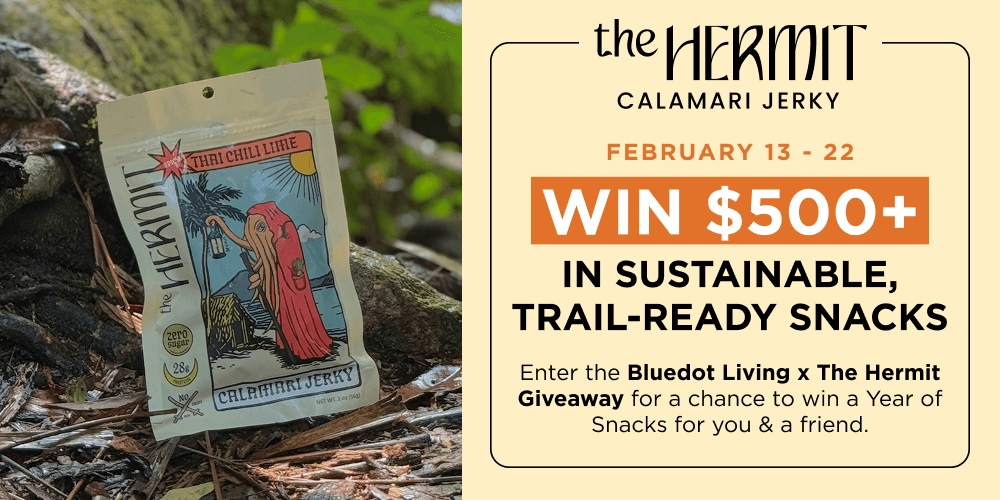
Enter the Bluedot Living x The Hermit Giveaway for a chance to win a Year of Snacks for you and a friend. The prize includes 42 bags of wild-caught calamari jerky — high-protein, zero-sugar snacks made from one of the cleanest fisheries in the world — plus two T-shirts, valued at $500+. With no land or freshwater use and significantly lower carbon emissions than land-based meats, calamari jerky is a smarter way to fuel everyday adventures. Stock up, share, and snack better all year long.
|
| Enter Now |
|
Enter between February 13 at 6:00 a.m. EST and on February 22 at 11:59 p.m. EST. No purchase necessary to enter or win. Open to U.S. residents aged 13 and older. See Official Rules for more details.
|
|
|
|
|
|
Paid Advertisement with Timeline |
Are you too young to think about how you’re aging? Probably not.
|
 |
|
Starting in our 30s, some key cellular processes begin to slow down, making us feel tired and weak over time. This decline affects not just our physical strength and endurance, but significantly reduces our quality of life making everyday activities harder to enjoy.
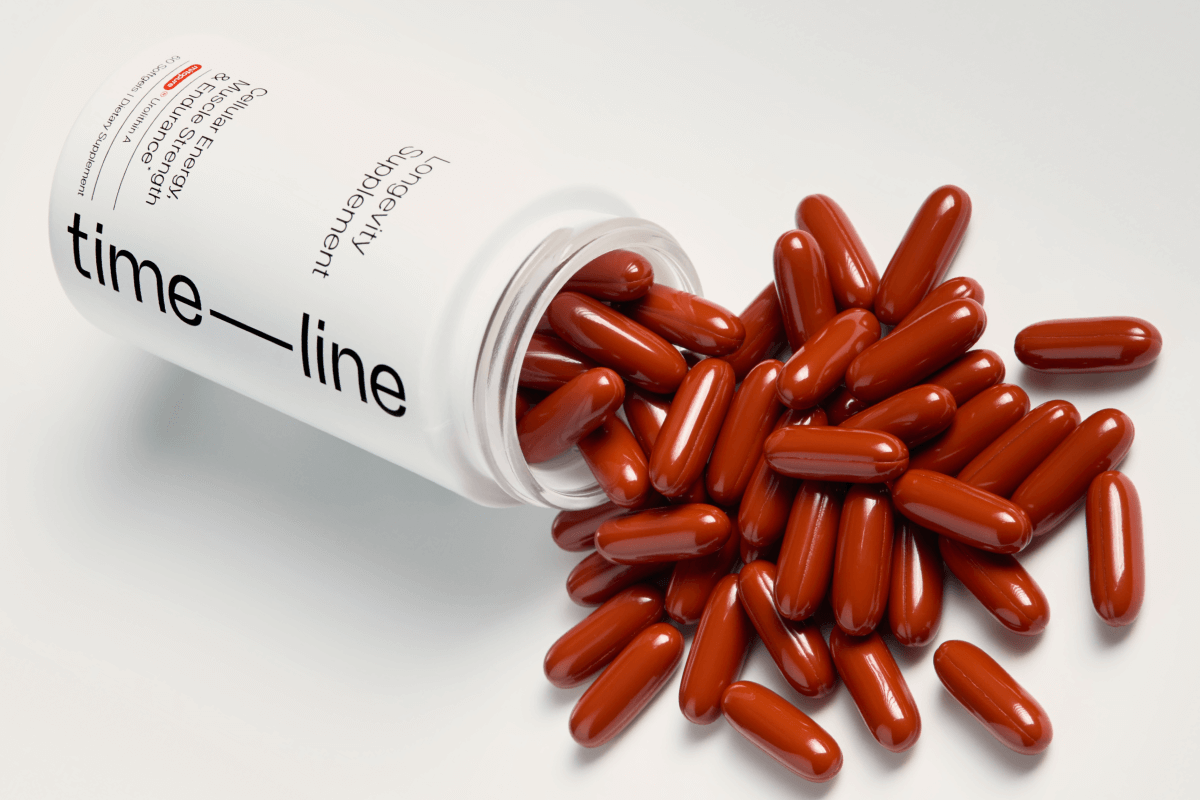
Luckily, scientists have discovered a way to shape how we age. Mitopure®, by Timeline, targets the root cause of this cellular decline and is clinically proven to increase cellular energy, giving our bodies the energy they need to function optimally. The results? Double-digit increases in muscle strength and endurance without any change in exercise.
Take aging into your own hands. Bluedot Living readers get 30% off with code 30NEWSLETTER for a limited time, while supplies last. |
| Order now |
|
|
|
|
|
|
|
|
|
|
|
|