|
|
|
|
|
|
|
Welcome to The Weekly, a Bluedot Living newsletter that gathers good news, good food, and good tips for living every day more sustainably. |
|
Welcome to The Weekly, a Bluedot Living newsletter that gathers good news, good food, and good tips for living every day more sustainably. |
|
|
|
|
SIMPLE / SMART / SUSTAINABLE / STORIES |
|
|
 |
|
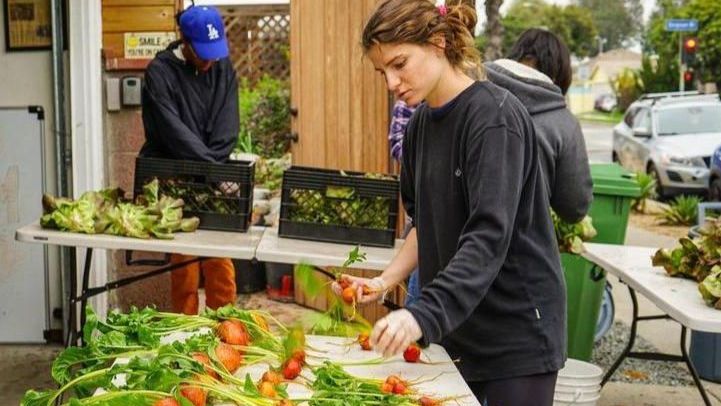
Jamiah Hargins started a garden in his backyard to make sure his family would always have access to good food — a serious challenge living in South Los Angeles, where residents face what he describes as food apartheid. Soon, he was growing more than his family could eat, so he fed his neighbors, too. That exchange has since scaled into a network of three microfarms in people’s yards that grow enough food to sustain a CSA program and public farmstand. (Volunteers are sorting through it all in the picture above.) Their microfarms are just one example of the many urban farms sprouting up across Los Angeles. It is in these spaces that you’ll find what truly defines the city’s foodways, says Emily Cain, associate editor at Bluedot and an L.A. native. She rounded up a few of the best across the city, where locals and visitors are welcome all the same. Read on.
|
|
|
|
|
|
|
|
|
Sustainable Bedding for Cooler Summer Sleep |
|
 |
|
Made from premium European flax and 100% organic long-staple cotton, Quince's European linen sheets and organic cotton percale bedding are crafted for years of comfortable sleep. Designed to help you stay cool, comfortable, and dry, linen's naturally airy weave promotes airflow and becomes softer with every wash while percale offers the cool, lightweight feel of hotel sheets. You'll find beautiful, breathable bedding without the traditional luxury markup, and you can complete your summer sleep setup with a lightweight quilt or duvet for comfort all season long.
Better rest can start with something as simple as changing your sheets.
|
| Shop Now |
|
|
|
|
|
|
|
DISPATCHES FROM ALL OVER
SUSTAINABLE LIVING ADVICE
ECO-FRIENDLY RECIPES |
|
DISPATCHES FROM ALL OVER · SUSTAINABLE LIVING ADVICE · ECO-FRIENDLY RECIPES |
|
|
|
“When progress happens it isn’t just a rising tide, it’s not a background force, it’s because someone somewhere decided that we have problems that are fixable, so let’s try to fix them.”
–Stephen Pinker, experimental cognitive psychologist, on Fix the News podcast
|
|
|
|
|
QUICK LINKS |
|
Skip scrolling! Here's what you'll find in this edition of the Bluedot newsletter: |
|
|
|
|
|
|
|
FEATURED STORIES |
|
BIG IDEAS AND LOCAL CHANGEMAKERS |
|
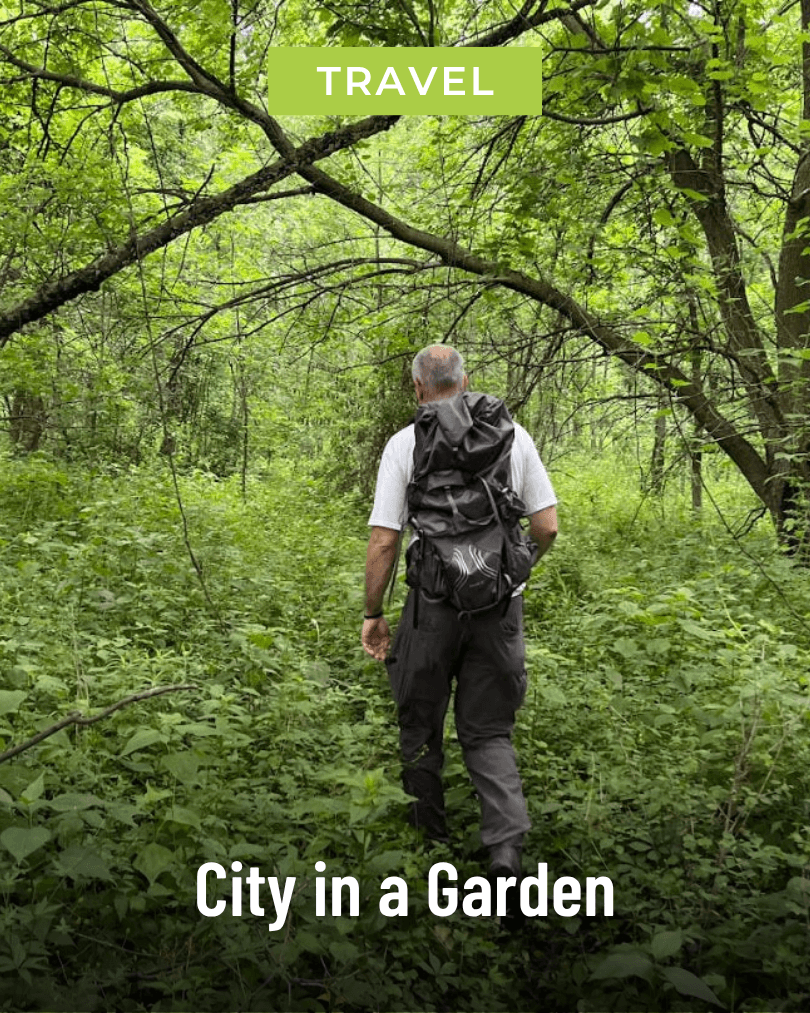
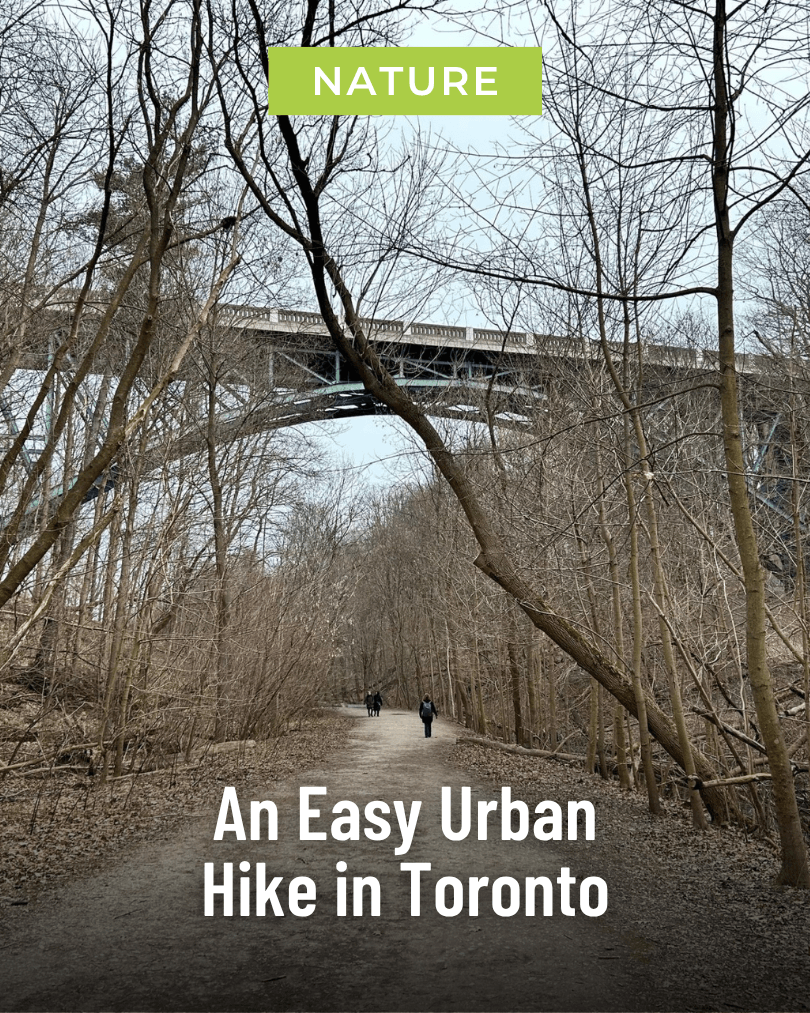
The way we build our cities matters, not only for our own well-being, but also for local wildlife. Our favorite big cities leave room for urban trails and green spaces.
|
|
|
|
|
|
|
 |
|
Join a community creating real change, one everyday action at a time. Bluedot Living equips readers with practical resources, inspiring stories, and solutions that work — 98% say we have helped them make planet-positive changes. Become a member for as little as $5/month to support hopeful climate journalism and enjoy exclusive member benefits. |
| Learn More |
|
|
|
|
|
|
|
|
|
|
|
|
|
Bluedot contributor Brian Levy developed two variations of this frozen treat that showcase the unique flavors of some of our favorite climate-resilient starches: buckwheat flour and millet flour. If you opt for buckwheat, expect to enjoy a subtly earthy, tea-like flavor. Using millet flour will give your ice cream a delightfully intense flavor similar to that of Cream of Wheat.
Get the recipe.
|
|
|
|
|
|
|
 |
|
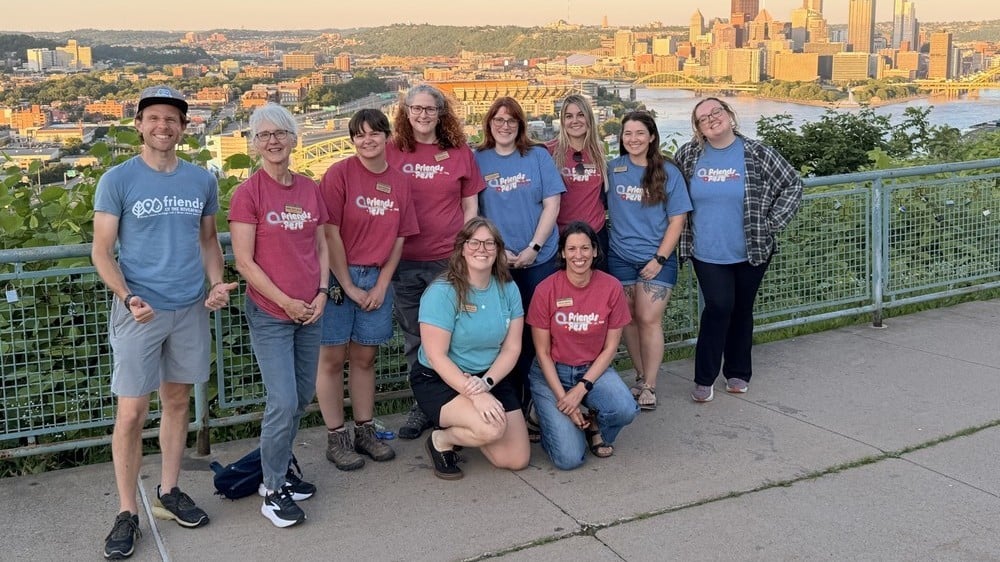
After a big storm, trash from downtown Pittsburgh washes through a huge pipe and on to the shore of the Monongahela River. But it doesn’t stay there long, thanks to the Friends of the Riverfront, a Pittsburgh nonprofit that hosts cleanups two to three times a week along the 90 miles of rivers that run through the city. Executive director Kelsey Ripper believes that access to the rivers, which she calls the region’s greatest asset, should be safe and clean, and that keeping the shores tidy will inspire visitors to respect the space. “When you see space that is taken care of, well loved and used,” she told Bluedot contributor Kellie B. Gormly, “people will want to care for it, and use garbage cans and dispose of trash properly.” Learn more about her organization and how you can keep waterways in your area clean.
|
|
|
|
|
|
Paid Advertisement with Cash App |
Teach Them Money Habits That Last |
 |
|
Helping your teen learn to manage money is a big step, and Cash App Card makes it easy for both of you. They get a secure debit card and easy ways to save and send money, while you stay in the loop every step of the way.
All with no monthly or hidden fees for you or your teen.
Why millions of families trust Cash App Card:
**Instant discounts on everyday spending?**
Add offers and save on groceries, restaurants, rides, and more.
No monthly or hidden fees
Shop in-store and online where Visa is accepted with no monthly or hidden fees.
24/7 fraud monitoring
Avoid scams before they can happen with proactive security features.
Oversight and control
Review your teen’s spending, control who can send them requests, and lock their card if it’s ever lost or stolen. |
| Get Started |
|
Cash App is a financial platform, not a bank. Banking services provided by Cash App’s bank partner(s). Prepaid debit cards issued by Sutton Bank, Member FDIC. See Terms & Conditions. To view the eligibility requirements for sponsoring a teen, please visit the Sponsored Accounts section of the Cash App Terms of Service. |
|
|
|
|
|
|
 |
|
Illustration by Elissa Turnbull |
|
Dear Dot,
I’ve planted clumping bamboo in my yard. It’s not invasive but is it a problem because it’s not native?
– Dave
Dear Dave,
If you walk along the dirt road toward our family cottage, you will notice an abundance of milkweed. A few of the neighbors, perplexed at the recent appearance of this tall, gangly plant with its somewhat bedraggled pink flowers, have tried to yank out the stalks, but each spring, there seem to be even more of them, so at this point, smart money is on the milkweed.
Milkweed offers exactly the food that monarch butterflies need in order to become monarch butterflies. And though there are more than 100 native species of milkweed in North America, many of them are rare, threatened, or endangered, as are the monarch butterflies that depend on them.
Threats to milkweed include habitat loss to development, invasive species, and unenlightened cottage neighbors blind to its humble beauty. So many native species are threatened because they aren’t prioritized, and consequently, they lose ground.
And that’s the problem with non-native species, Dave. They’re kinda like the plus-one on a wedding invitation: It’s not that they’re bad, necessarily; they’re just pretty much taking up space. Space that might otherwise be occupied by a native plant.
What else does Dot have to say about native plants? And weddings? Keep reading. |
|
|
|
|
|
July is Parks and Recreation Month, making it the perfect time to spend more time outside. Whether you’re planning a trip to one of America’s spectacular national parks, exploring a favorite local trail, or simply enjoying a picnic in the neighborhood park, these thoughtfully designed finds help make every adventure a little more enjoyable. And if you’re dreaming of your next getaway, we’ve included a few ways to bring the beauty of the parks home, too. |
|
 |
|
|
|
Beach trips, camping weekends, hiking trails, and afternoons by the lake all call for gear that can keep up. Nomadix’s quick-drying towels resist sand and odors, while insulated puffer blankets convert into sleeping bags for chilly evenings outdoors. Certified recycled materials and prints that evoke our national parks make these practical favorites even better. ($24.95+)
Gear Up
|
|
|
|
Whether you’re honing in on a bird or an opera singer, a great pair of binoculars enhances your ability to appreciate the world around you. Nocs Provisions’ bestselling Standard Issue binoculars weigh less than 12 ounces, cost under $100, and come backed by a lifetime guarantee. ($79.95+)
Take a Closer Look
|
|
|
|
Keep the spirit of your favorite wild places close, even after the adventure ends. Good & Well Supply Co.’s candles, soaps, and matchbooks are inspired by America’s national parks, iconic animals, and favorite outdoor scenes. ($12+)
Bring the Park Home
|
|
|
|
|
|
|
The Keep-This Handbook |
|
Been celebrating your favorite soccer teams’ success with wine? (Or drowning your sorrows in a glass of merlot?) Either way, those excess corks don’t belong in the trash. Let Bluedot’s Guide to Getting Rid of (Almost) Anything show you where to send them.
|
|
|
|
|
|
|
|
I just read a story in the New York Times about a man named Dale Sanders who is walking the 2,190-mile Appalachian Trail. He’s trying to break a record for being the oldest person to do it — a record that he actually set years ago, only to have it broken by a friend. He’s now 91, and, oh, when he turned 80, he celebrated by becoming the oldest person to paddle the full length of the Mississippi River.
For a while back in the aughts, I was a travel writer. A travel writer friend and I launched a little website called “WeekendWalk” (don’t bother looking — it’s been long shuttered), which was dedicated to the idea that human-powered travel was a better (and more sustainable) way to see the world. We took on assignments for the various publications we worked for. Me, I got to kayak from town to town along the Erie Canal, paddle a canoe with my daughter inn-to-inn along the Northern Forest Canoe Trail (a much shorter paddle than the length of the Mississippi), walk with an old college friend along Missouri’s Katy Trail, hitting wineries and staying in historic towns.
But my favorite jaunt might have been one my 88-year-old dad and I took around Boston. We planned out a route that would take us about four or five miles a day (unlike Dale, my father had not been training on the Appalachian Trail) over three days. It meandered from the Liberty Hotel (former jail near the Charles River) to Jamaica Plain, and back through the South End to the North End, following for most of the way the city’s Emerald Necklace — the greenways and parks that Frederick Law Olmsted designed more than a century ago — which continues to inspire urban landscape design in Boston. We sent our bags ahead to each night’s lodging by cab.
What was our purpose? Getting to each destination was definitely part of it. Getting to the next meal was, too. But it became an exercise in slowing down, sitting when we felt like it (I wanted to just as frequently as my father), talking to strangers, and thinking about who might have walked these sidewalks and park trails before us. I had spent most of my post-grad life walking in Boston, but typically, I was going from place to place, in a hurry. This wasn’t that.
We ended up at an Italian restaurant in the North End, where my father, as was his habit, made friends with most of the restaurant and told them about our adventure. A couple wanted details: How did we plan it? What did we do with our luggage? What did we see?
Consider doing this: Find a city you love, or a set of towns that are walking distance apart, and plan a journey. If you’re not up for the rugged Appalachian Trail, check out the East Coast Greenway, which has routes up and down the East Coast, through cities and towns. I met an elderly nun once who was walking the entire length of it.
Or if you’re in Boston, check out Miles Howard’s multi-day urban journey.
My dad and I lucked out on weather — it wasn’t too sunny, and we had our caps (me: Red Sox, him: Yankees), but if you’re looking to plan a walk around a city and want to plan for a shady route, try this app that helps you find shade.
Have you taken a journey on foot (or by canoe, bike, kayak)? Tell us about it: editor@bluedotliving.com.
Enjoy the weekend, and we’ll see you next week.
– Jamie Kageleiry (and Leslie Garrett, Emily Cain, and Robin Jones)
Editors
Write us at editor@bluedotliving.com |
|
|
|
|
 |
|
Leslie Garrett has been covering climate stories for close to two decades. She makes her home in Canada, west of Toronto. She’s still figuring out her favorite spot but it’s definitely near the water.
Jamie Kageleiry, a longtime magazine and newspaper editor from Martha’s Vineyard, says her favorite spot on earth is out on a kayak there, looking at birds.
Robin Jones is a Southern California native who served as an editor at Westways magazine for more than a decade. She lives in Long Beach and teaches journalism at Cal State Long Beach.
Emily Cain is a recent graduate of Cal State Long Beach, where she wrote and edited for the university’s award-winning magazine, DIG. |
|
|
|
|
|
Our audience is informed, intentional, and tuned in to sustainable living. Reach our 300,000 readers by advertising here, or contact adsales@bluedotliving.com to reserve your space. |
|
|
|
|
|
|
|
|