|
|
 |
|
Formerly The Hub |
|
|
|
|
|
|
|
Welcome to The Weekly, a Bluedot Living newsletter that gathers good news, good food, and good tips for living every day more sustainably. |
|
Welcome to The Weekly, a Bluedot Living newsletter that gathers good news, good food, and good tips for living every day more sustainably. |
|
If you purchase anything via one of our links, including from Amazon, we may earn a small commission. All Dear Dot illustrations by Elissa Turnbull. |
|
|
|
|
SIMPLE / SMART / SUSTAINABLE / STORIES |
 |
|
The vernal equinox arrives today around 10:45 a.m. Eastern Time, so … happy spring! Goodbye winter (though as we write it still feels very much like winter for some of us). Our “At Home on Earth” contributor Yasmin Namini sent us this collection of photographs of Hokkaido, Japan, and we love this “Leaning Into Winter” image, in which a lone tree leans toward the winter horizon at sunrise in Sunaya, on the eastern shore of Lake Kussharo. See more images from Hokkaido. And see more from Yasmin’s “At Home on Earth” collections.
|
|
|
|
|
|
|
|
|
|
|
 |
Rethink Your Dry Cycle
|
|
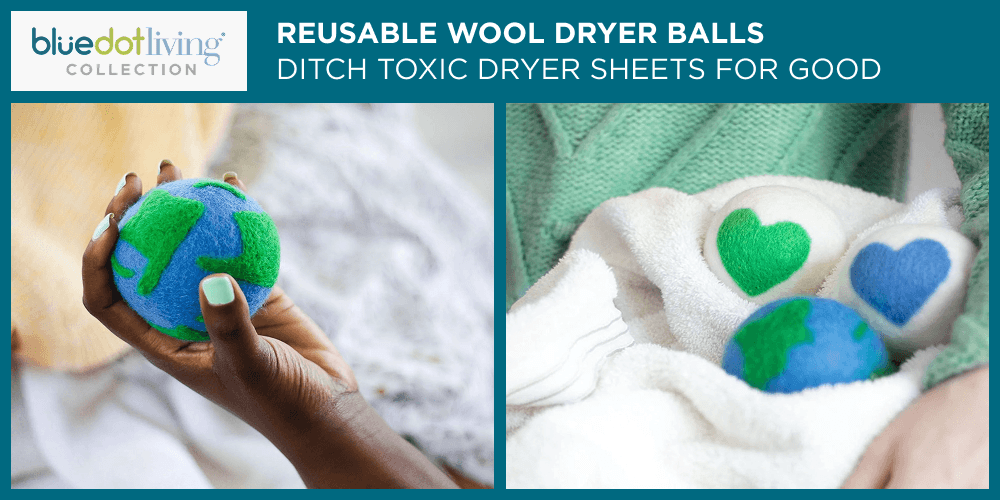
Replace toxic dryer sheets with these dryer balls. Tosse them in and let 100% organic wool do the work — softening clothes, reducing static, and improving dryer efficiency. Handmade and fair trade, they’re a feel-good swap in more ways than one. Plus, they come in colorful, cute designs that make laundry more fun. Find them in the Bluedot Living Collection.
|
| Shop Now |
|
|
|
|
DISPATCHES FROM ALL OVER
SUSTAINABLE LIVING ADVICE
ECO-FRIENDLY RECIPES |
|
DISPATCHES FROM ALL OVER · SUSTAINABLE LIVING ADVICE · ECO-FRIENDLY RECIPES |
|
|
|
“Climate change, I did not understand at first, is a crisis of water, of too much and not enough, of water coming in deluges or not coming at all, of a breakage of the patterns of nature that were about the time and pace and quantity of water moving through ecosystems.”
– Rebecca Solnit, Meditations in an Emergency, “Death and Rebirth on the Road Home”
|
|
|
|
|
QUICK LINKS |
|
Skip scrolling! Here's what you'll find in this edition of the Bluedot newsletter: |
|
|
|
|
|
|
|
FEATURED STORIES |
|
BIG IDEAS AND LOCAL CHANGEMAKERS |
|
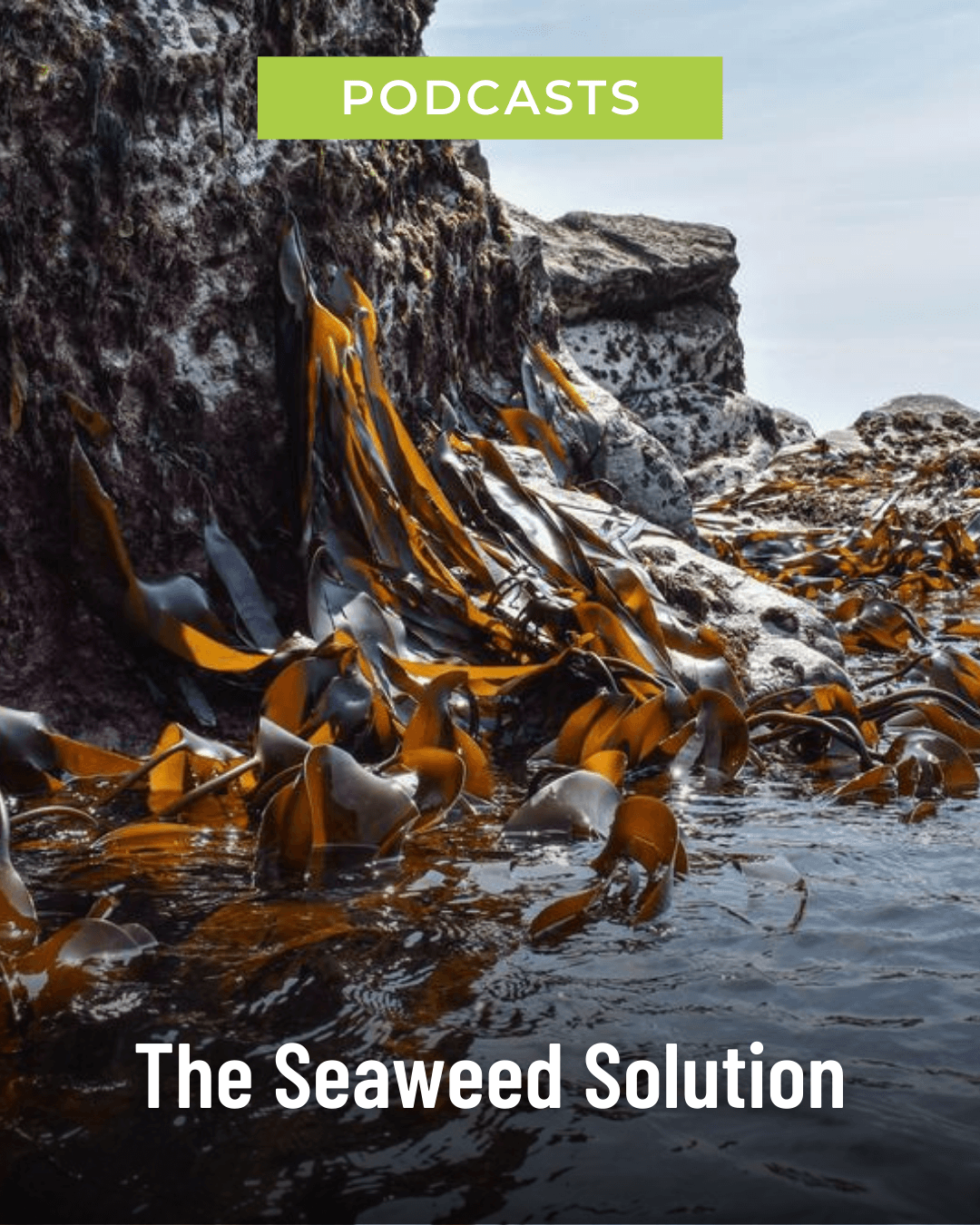
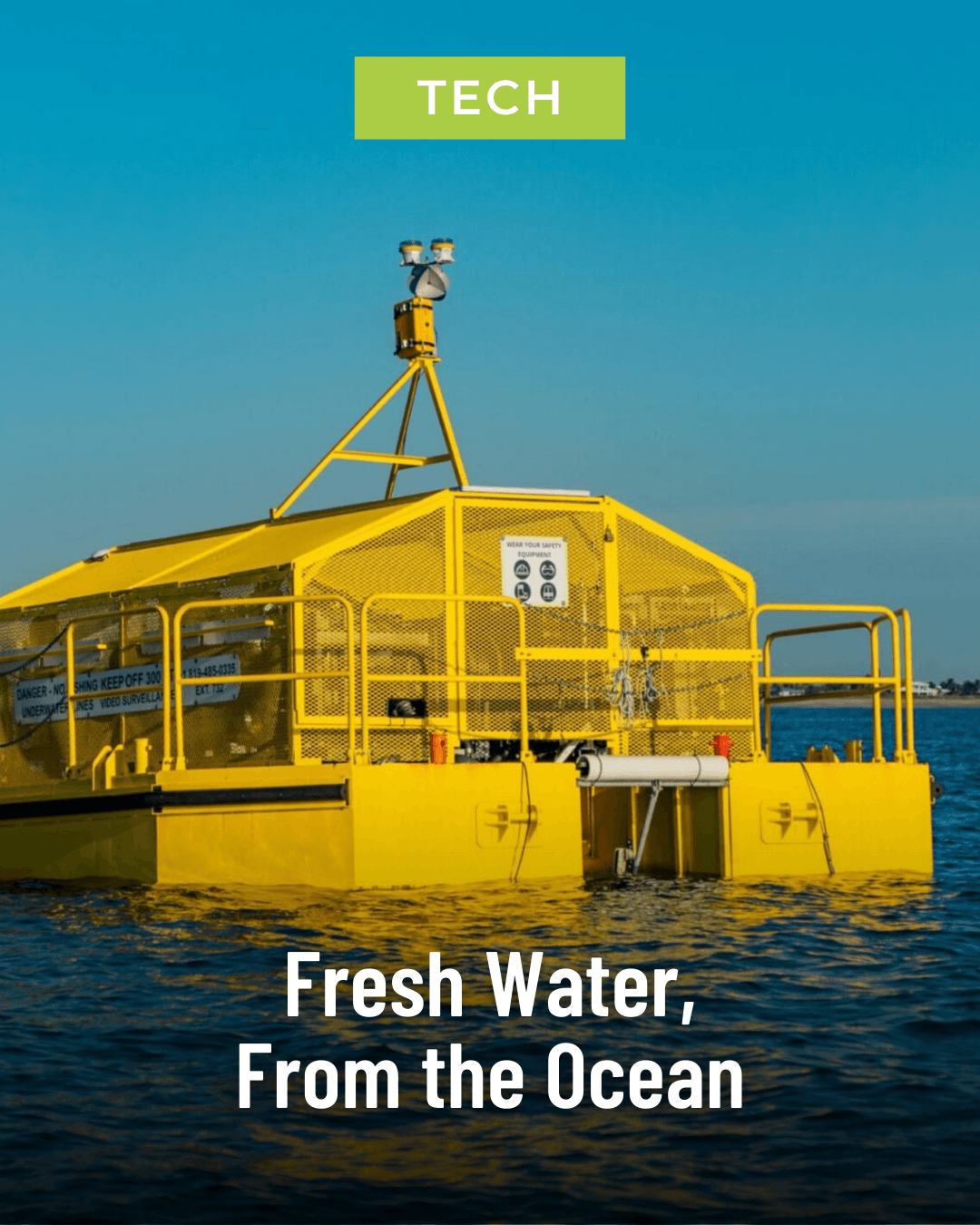
Read about the unexpected solutions the ocean provides and the innovative ways we are protecting the health of our waters.
|
|
|
|
|
|
|
|
|
|
|
|
|
|
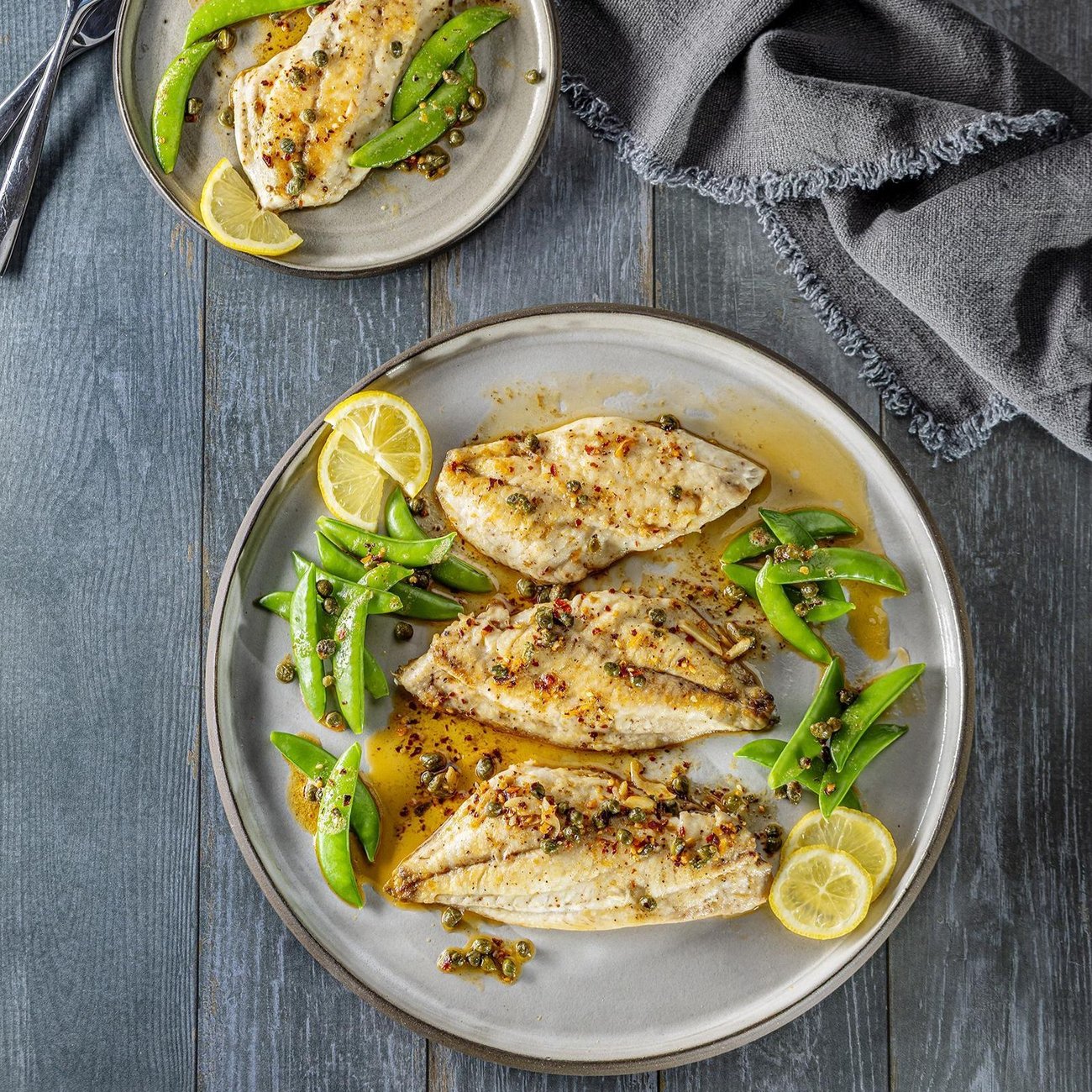
Five types of seafood dominate the American market. Choosing less popular, smaller fish for your meals reduces pressure on our fisheries and reduces the risk of overfishing. Scup is a mild and sweet option that might just become one of your favorites. This recipe comes together quickly for a weeknight dinner. Plus, you can use whatever seasonal greens are available at the spring farmers market.
Get the recipe.
Check out our sustainable seafood guide.
|
|
|
|
|
|
Paid Advertisement with Forkful |
Say Goodbye to Meal Prep Burnout
|
 |
|
After a long day, the last thing most of us want is another hour in the kitchen. But takeout and frozen “healthy” meals? They usually come with seed oils and ingredients that don’t leave you feeling great. That’s where Forkful Meals** **comes in—chef-prepared meals cooked in avocado oil, made with grass-fed meats, wild-caught seafood, and organic produce. From protein-packed pasta to plant-based burrito bowls, they’ve got options for every eater. And the best part? Everything arrives fresh, heats up in minutes, and makes healthy eating feel effortless.
Make weeknights simpler—and healthier. Get 50% off your first order today. |
| Get 50% off your first order |
|
|
|
|
|
|
 |
|
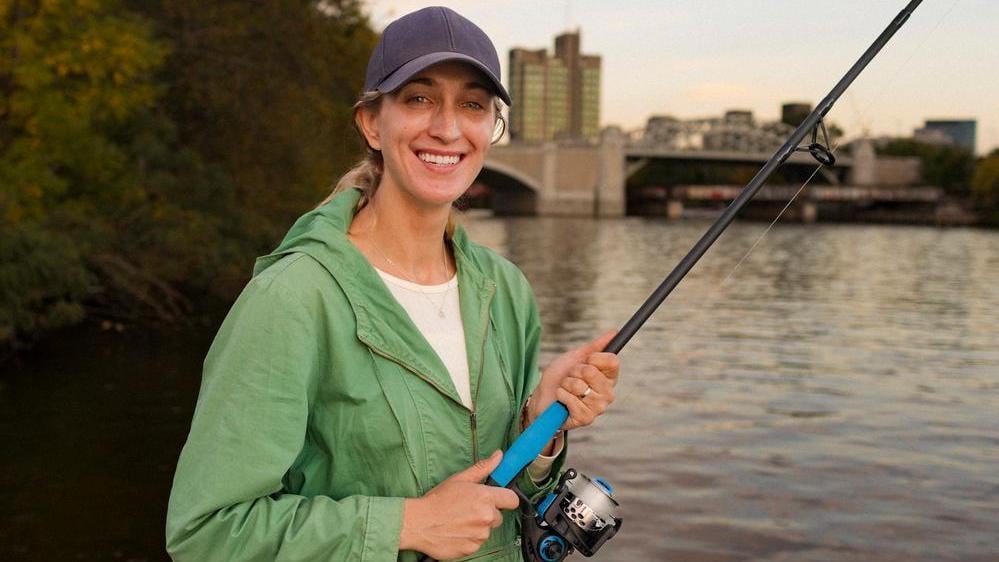
We just returned from the New England Press Association’s annual awards banquet with a haul of awards! One of our first-place prizes was for this story by Caroline Sorbom about Boston’s Charles River and her adventures in urban fishing. “I had lived next to the Charles for nearly four years but had never seen anyone fish … It made me wonder: Could I catch a fish from the Charles River and eat it? The thought of eating fish from my local river was not random. I crave food that is as close to the Earth as I can get … My belief in the almost sacred value of wild food is so strong that I don’t mind when other people think it’s weird.” The story is delightful and full of natural history, foodways, and even some perch.
|
|
|
|
|
 |
|
For just $50 a year, you can become a Bluedot Living member — investing in a healthier planet while unlocking real, everyday benefits for yourself. You'll enjoy 10% off every purchase from Bluedot Living Collection, our editor-curated marketplace of planet-friendly brands and products and you'll receive additional member-only store discounts each month. Many members recoup the cost of membership in just a handful of purchases from our store. From there, the savings continue — making sustainable living more accessible, affordable, and impactful.
|
| Join for $50/yr |
|
|
|
|
|
 |
|
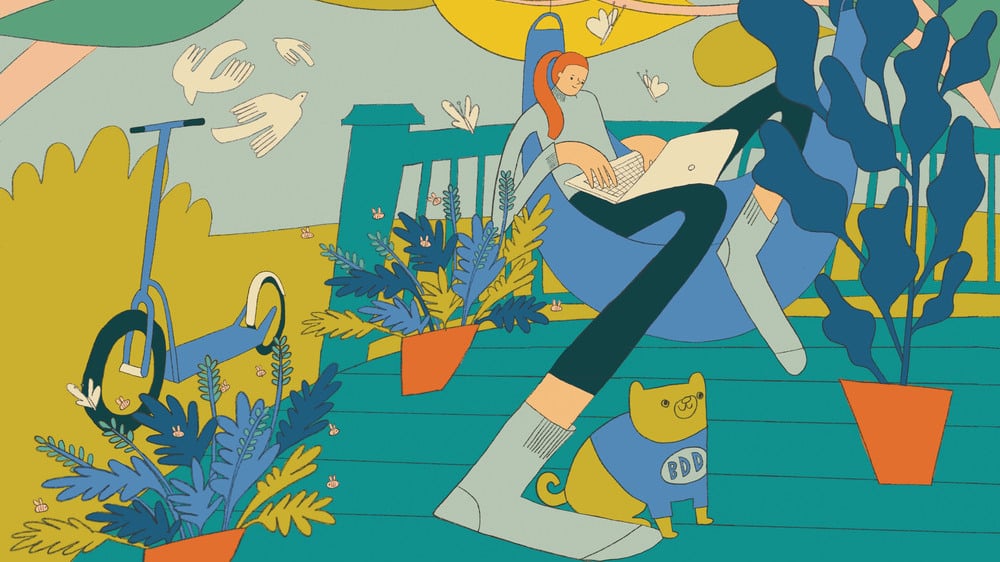
Illustration by Elissa Turnbull |
|
Dear Dot,
I know moving to a plant-based diet is good for the planet. But I wonder about whether some nuts (cashews and almonds, for example) have a large footprint as well in terms of land use, water use, and transportation. What say you?
– Ann
Dear Ann,
In the interest of accuracy, Ann, many nuts are not true nuts at all. Cashews, it turns out, are drupes, alongside pistachios and almonds. A researcher at McGill University in Montreal tells us that “drupes are fruits that are fleshy on the outside and contain a shell covering a seed on the inside.” Actually, in the case of cashews, the seed grows at the bottom of the fruit, but in any case, what we consume is this seed. Peanuts are legumes — part of the pea family, making the “pea” part accurate, while the “nut” part is not. Walnuts and pecans are, according to the McGill researcher, something of a hybrid. And mangoes and peaches, which we don’t think of as nuts at all, are also drupes, though we eat their flesh, not the seed contained within. Want to get your hands on some true nuts? Reach for chestnuts, hazelnuts, and acorns.
All these picayune distinctions are enough to drive us, well, nuts. So, for our purposes, that’s exactly the term we’ll use. Nuts. To mean all the things we normally think of as nuts.
Over the past few decades, powerful marketing campaigns have convinced us that nuts, while calorie dense, are healthy. Researchers at Vanderbilt University School of Medicine determined in a study of more than 200,000 men and women in the Southern United States and Shanghai that the more nuts people consume, the lower their death rates from all causes, and especially from heart disease and stroke!
Less death is a good thing, Ann. We can all agree on that. But nuts, like any food, have an impact on our environment. Alas, we cannot live on air. So let’s, ahem, crack this climate nut open.
Keep reading! |
|
|
|
|
|
|
|
|
|
|
|
|
|
If you make a purchase through our links, including from Amazon, we may earn a small commission. |
 |
|
|
|
|
|
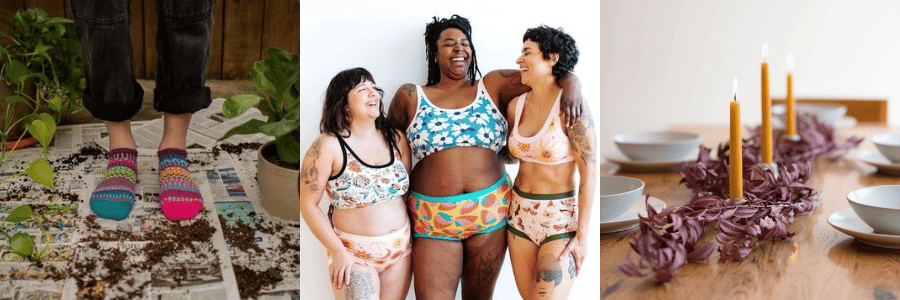
No matter how lousy the news is, it’s hard to feel too pessimistic when you know that today the sun will shine a little longer than it did yesterday, and when every walk reveals a daffodil or crocus popping its head out of the ground. We’re celebrating spring by sharing some items that will help you bring the joy of the season indoors. It’s a beautiful day to have a beautiful day. |
|
 |
|
|
|
Feeling good starts first thing in the morning. Slip into something cheerful, and the day tends to follow. Thunderpants USA, a body-positive brand based in Portland, Oregon, has earned a loyal following for its soft, wedgie-proof underwear. Exuberant prints sit alongside rich solids in vibrant brights and easy neutrals. Thunderpants dyes its fabrics with water-based inks and sews each piece in Oregon in a woman-owned factory. (from $26) Buy now.
|
|
|
|
Opening your top drawer to reveal Solmate’s purposely mismatched, Easter egg–bright socks makes you feel like you’ll be setting off on an adventure. The woman-founded, family-owned B Corp makes all its socks in North Carolina from recycled yarns and donates to environmental nonprofits. (from $14.95) Buy now.
|
|
|
|
Founded in 1991, Colorado-based Bluecorn hand-dips the loveliest beeswax tapers. In addition to a natural honey hue, the candles come in a variety of colors and make any table look great before you even strike a match. If you enjoy scents, look for jar candles in lilac and lily — perfect for ushering in the new season. (from $10) Buy now
Use code SIGNUP10 at checkout to save 10% off your first order!
|
|
|
|
|
|
|
 |
|
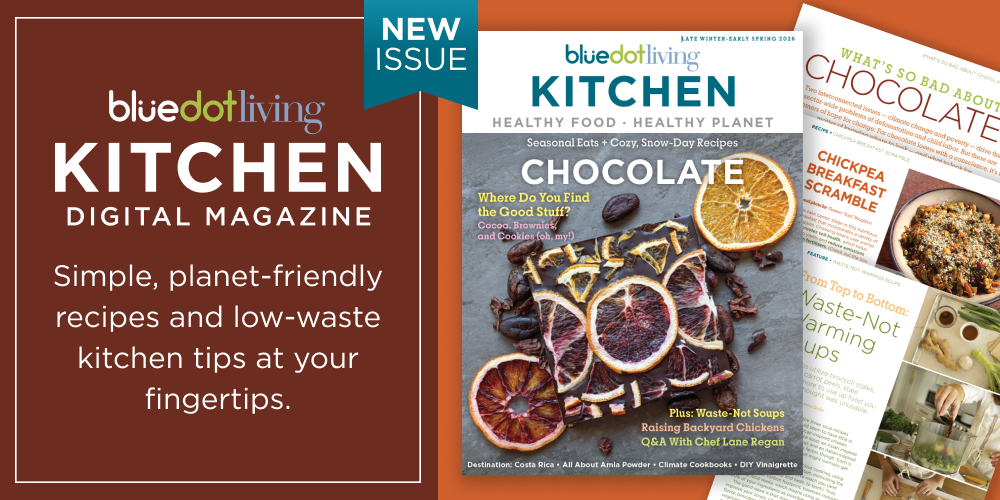
This season’s issue is all about cooking with intention, using what you have, and setting the tone for a more thoughtful spring. We’re sharing waste-not soup and a closer look at planet-conscious chocolate. You’ll also find guidance on raising backyard chickens, what to know about amla powder, and ideas to help you cook seasonally while we head into spring. Subscribe now to read the latest issue of Bluedot Living Kitchen and get a full year of low-waste recipes, sustainable kitchen tips, and mindful cooking inspiration for every season.
|
| Subscribe Now |
|
|
|
|
|
|
|
Rain gardens look as lovely as regular gardens, and they can be a powerful tool to mitigate flooding and restore groundwater. Check out this story about one man who installed one in his yard … and follow the simple instructions to create your own.
|
|
|
|
|
The Keep-This Handbook |
|
Flushing medication simply means pushing your prescriptions onto marine creatures. Dispose of them responsibly by looking for Take Back days at your local pharmacy or checking out Bluedot’s Guide to Getting Rid of (Almost) Anything.
|
|
|
|
|
Water Is a School for Empathy |
|
It’s become something of a joke in our family: Whenever anyone comments on my 97-year-old father’s heartiness and longevity, we note the view out his front window of the always-changing, always spectacular Lake Huron. Who would want to give that up? we ask. Turns out, science backs up our conviction that living beside water makes us healthier. It’s called “blue mind,” and it’s a theory put forth by marine biologist Wallace J. Nichols.
What, exactly, is happening in our brains when we’re by water? Or even, Nichols said to me when we spoke seven years ago, when we’re daydreaming about it? “Your chemistry changes right then and there,” he said. “Your creativity is going up, your stress hormones are going down, your ideas are expanding, your sense of yourself, you can hear yourself breathe, you’re connecting with the water.” Before he died in 2024, J., as he was known, took veterans with PTSD on diving trips and worked with school boards and other organizations to ensure access to lakes and rivers, streams and oceans.
Water, he said, was a “school for empathy … Neuroscience looks at how that occurs: [water] takes us from that front-brain, directed-attention, problem-solving state into a more distributed, creative, default network mode — as psychologists call it — that can result in us growing our capacity for connection, empathy, and compassion.”
That my dad, who smoked for five decades before he quit and never finished a day without a glass of whiskey, has made it to 97 could be thanks to blue mind, or just good genes. But given what we’re learning about the impact of rivers and lakes and oceans on our brains and our hearts, we all might want to seek out a way to spend some time gazing out over an expanse of blue water.
Enjoy the weekend, and we’ll see you next week.
– Leslie Garrett (and Emily Cain, Jamie Kageleiry, and Robin Jones)
Editors
Write us at editor@bluedotliving.com |
|
|
|
|
 |
|
Leslie Garrett has been covering climate stories for close to two decades. She makes her home in Canada, west of Toronto. She’s still figuring out her favorite spot but it’s definitely near the water.
Jamie Kageleiry, a longtime magazine and newspaper editor from Martha’s Vineyard, says her favorite spot on earth is out on a kayak there, looking at birds.
Robin Jones is a Southern California native who served as an editor at Westways magazine for more than a decade. She lives in Long Beach and teaches journalism at Cal State Long Beach.
Emily Cain is a recent graduate of Cal State Long Beach, where she wrote and edited for the university’s award-winning magazine, DIG. |
|
|
|
|
|
Our audience is informed, intentional, and tuned in to sustainable living. Reach our 300,000 readers by advertising here, or contact adsales@bluedotliving.com to reserve your space. |
|
|
|
|
|
|
|
|