|
|
|
|
|
|
|
Welcome to The Weekly, a Bluedot Living newsletter that gathers good news, good food, and good tips for living every day more sustainably. |
|
Welcome to The Weekly, a Bluedot Living newsletter that gathers good news, good food, and good tips for living every day more sustainably. |
|
|
|
|
SIMPLE / SMART / SUSTAINABLE / STORIES |
|
|
 |
|
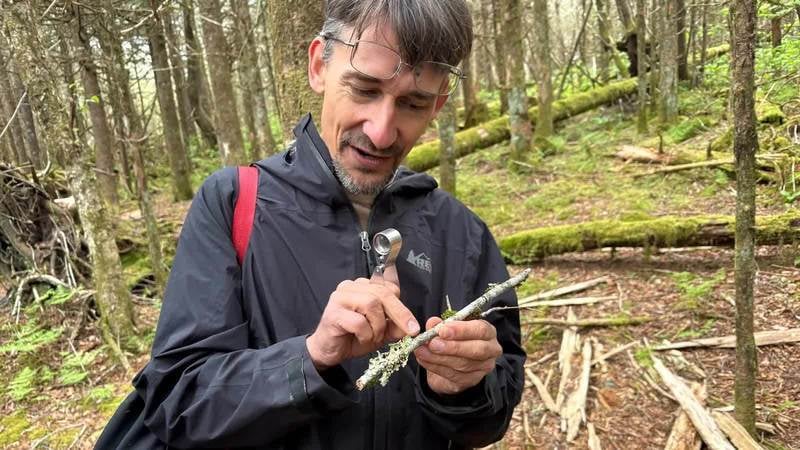
“A gentle shower fell as four people in rain gear made their way deep into a spruce-fir forest high in Great Smoky Mountains National Park,” writes Katie Myers in this story originally published in Grist. “Ducking beneath bright green underbrush and stepping away from the road, a hush took over.
“Just a few steps in, they came across an aging yellow birch tree covered in moss. But it wasn’t just moss. James Hollinger, a retired computer scientist turned amateur lichen scientist, leaned closer and spotted a rare, spongy lichen that has been documented about a dozen times in the park. As far as he knows, it does not appear in any botanical guidebooks.”
Every square foot of the Smokies teems with life that most visitors never notice, but scientists and volunteers are paying attention: a group that calls itself the Gang of Retirees in Search of Life’s Diversity are recording all the species of flora and fauna they see (and adding them to a collection that has reached more than 22,000) in order to monitor changes as climate changes impact our national parks.
Read more about the project.
P.S. When we read about protecting species and biodiversity, we’re reminded that it’s been a challenge with this administration to be certain of what climate news we can trust. Recently, a group of scientists who once worked for the government launched a website that contains much of the climate information that had been scrubbed off some government sites. Check out climate.us, which bills itself as “independent, nonprofit, and immune to politics.” Various climate journalists we trust (such as Katherine Hayhoe) say it’s an incredibly valuable resource. Check it out.
|
|
|
|
|
|
|
|
|
 |
|
The flavors of summer are at their peak, and the latest issue of Bluedot Living Kitchen is your guide to making the most of them. Discover how to grill vegetables with confidence, preserve your tomato harvest, and create easy summer meals that celebrate local ingredients. You'll also explore the rich traditions of intertribal cuisine, visit beloved L.A. farmstands, and learn from a Wisconsin farm helping to strengthen its community's food future. |
| Subscribe Now |
|
|
|
|
|
|
|
DISPATCHES FROM ALL OVER
SUSTAINABLE LIVING ADVICE
ECO-FRIENDLY RECIPES |
|
DISPATCHES FROM ALL OVER · SUSTAINABLE LIVING ADVICE · ECO-FRIENDLY RECIPES |
|
|
|
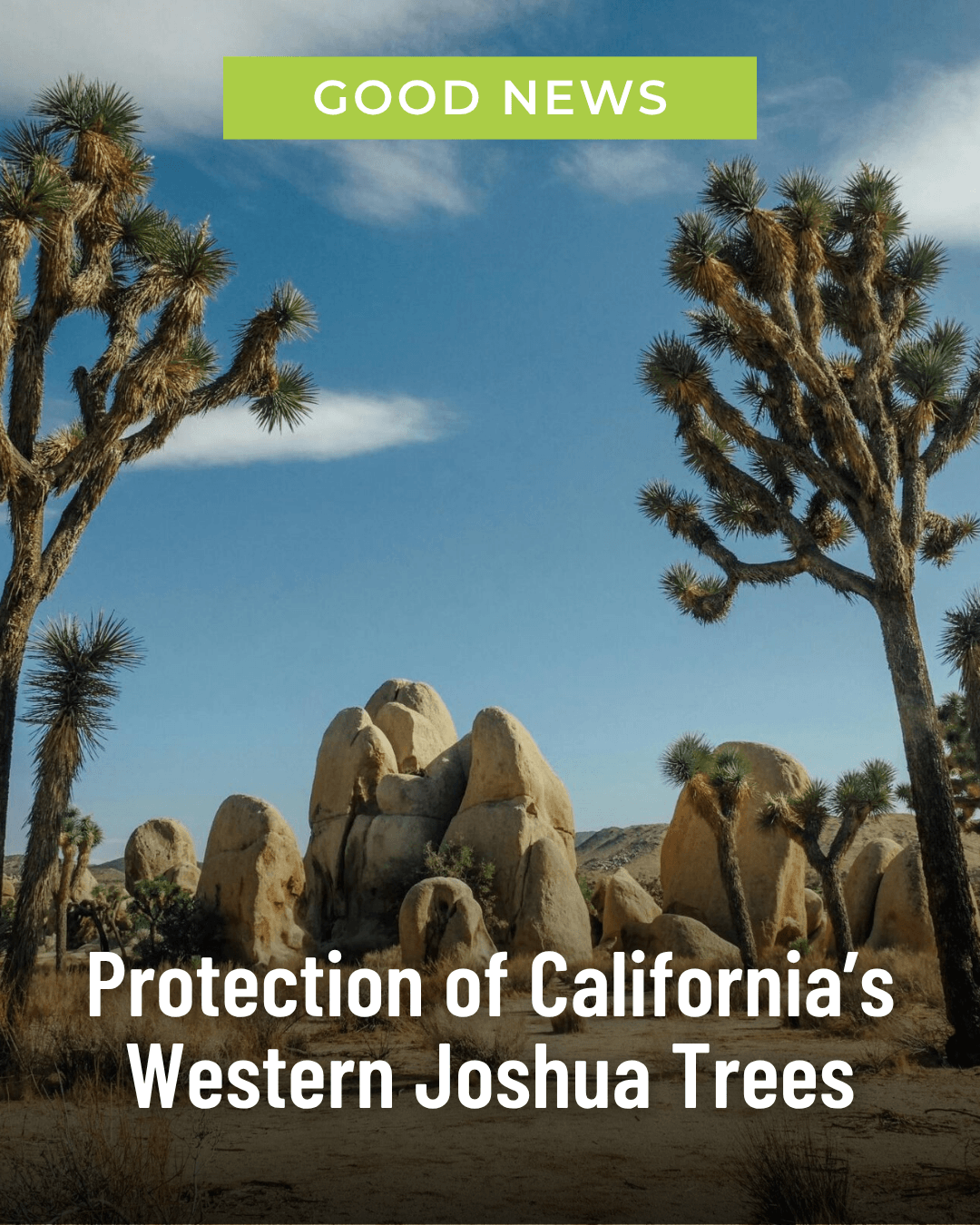
“There can be nothing in the world more beautiful than the Yosemite, the groves of the giant sequoias and redwoods, the Canyon of the Colorado, the Canyon of the Yellowstone, the Three Tetons; and our people should see to it that they are preserved for their children and their children’s children forever, with their majestic beauty all unmarred.”
– Theodore Roosevelt
|
|
|
|
|
QUICK LINKS |
|
Skip scrolling! Here's what you'll find in this edition of the Bluedot newsletter: |
|
|
|
|
|
|
|
FEATURED STORIES |
|
BIG IDEAS AND LOCAL CHANGEMAKERS |
|
We’re sharing three stories that celebrate the national parks (and the national park city) in our country, which protect the land we now live on.
|
|
|
|
|
|
|
|
|
 |
|
Get more of Bluedot Living delivered directly to your inbox. From the Daily Dot advice column and The Weekly news hub to Bluedot Living Kitchen and the biweekly Buy Better Marketplace, and more, we offer a range of newsletters tailored to your interests and wherever you are on your sustainable living journey. |
| Sign Up Now |
|
|
|
|
|
|
|
|
|
|
|
Don’t know what you’re bringing to the Fourth of July shindig? There’s still time to make this simple, no-bake dessert. Just layer your favorite cookies or cake with fresh fruit, jam, and frozen dessert like ice cream or sorbet, then pop it in the freezer to set overnight.
Get the recipe.
|
|
|
|
|
|
|
 |
|
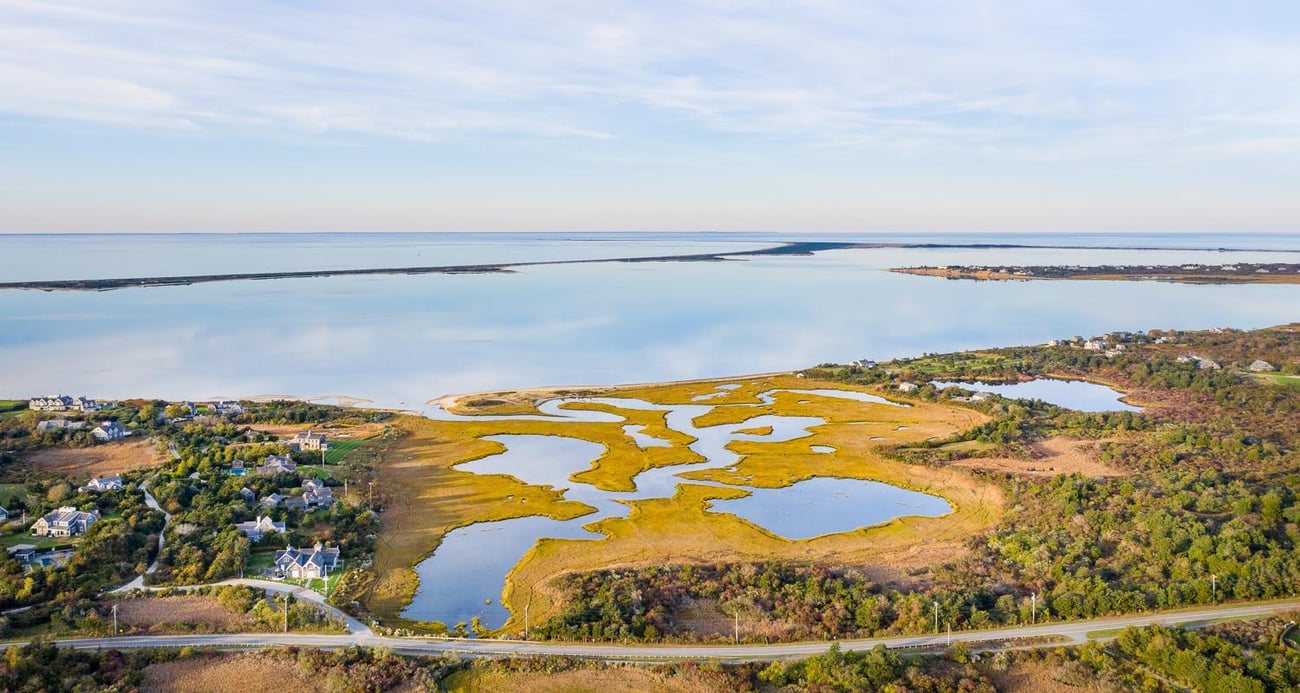
It’s true! Last year, the National Park Service announced its 606th National Natural Landmark: Nantucket Barrier Beach and Wildlife Refuge, which most Nantucketers know as “Coatue.” (It is the narrow strip of land at the top of this image.)
“The refuge showcases two unique geological landforms,” writes Bluedot editor Britt Bowker (who edits our Nantucket newsletter and magazine), “a series of cuspate spits — which refers to the curved projections of the beach within Nantucket Harbor; and a cuspate foreland — the curved part of the beach open to the ocean.” The refuge provides habitat for numerous rare plant and animal species, such as shrubs, tidal salt marshes, and nesting sites for piping plovers.
|
|
|
|
|
|
Paid Advertisement with CashApp |
Help your kid build smart money habits early
|
 |
|
If you have a kid between 6 and 12, you can start teaching them smart money habits right now with Cash App. Kids between 6 and 12 can now have a Cash balance, order a Cash App Card, and start saving, but they don’t get access to the app.* There are no subscription fees, and you control it all through your app and account.
Manage money together
A Cash App Card designed by them: They get their own debit card to design, made by them, with you alongside. They can spend their allowance or money from chores, but you can set spending limits.
3.25% interest on savings: Kids can earn 3.25% interest and start building strong saving habits early.**
Safe money transfers: You can choose up to 5 people who can send them money. They can't send money or buy stocks or bitcoin.
Parent-controlled account: They can't log in on their own, and they don't need a phone. You control their account and see their activity.
|
| Create Your Cash App Account Today |
|
Cash App is a financial services platform, not a bank. Banking services provided by Cash App's bank partner(s). Prepaid debit cards issued by Sutton Bank, Member FDIC. Cash App Visa Debit Flex Cards issued by Sutton Bank, Member FDIC, and The Bancorp Bank, N.A., pursuant to a license from Visa U.S.A. Inc. See terms and conditions for the Sutton prepaid card, Sutton debit flex card, and Bancorp debit flex card. Savings provided by Cash App, a Block Inc. brand.
*Parents and legal guardians can open a managed account for kids 6-12. To view the eligibility requirements for sponsoring a teen or child, please visit the Sponsored Accounts section of the Cash App Terms of Service.
**Cash App will pass through a portion of the interest paid on your savings balance held in an account for the benefit of Cash App customers at Wells Fargo Bank, N.A., Member FDIC. To earn interest on your Cash App savings balance, you need to have sponsor approval. Exceptions may apply. Savings yield rate is subject to change. |
|
|
|
|
|
|
 |
|
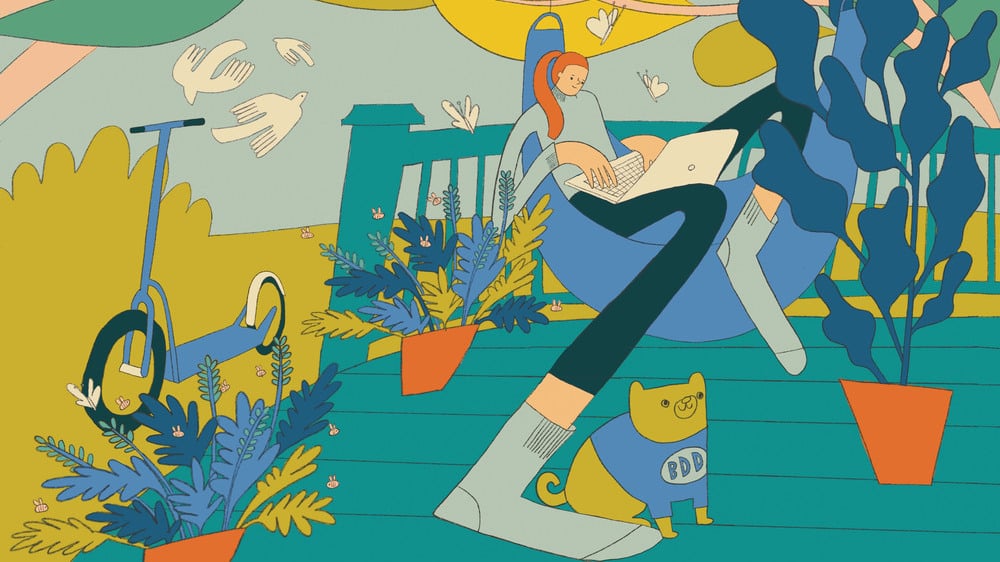
Illustration by Elissa Turnbull |
|
Dear Dot,
I recently came across a New York Times story about dumpster diving and the crazy “returns” economy, whereby most of what we consumers return to stores actually just gets thrown out. Sometimes I get a gift or purchase something and then decide I don’t want it. But I don’t want to be part of the problem. Help?
– Lori
Dear Lori,
Dot has become a dedicated second-hand shopper, but I do, occasionally, impulse shop items that end up not fitting properly or fail to live up to their online allure. To address your question, however, Dot is going to turn it over to the capable Char Kelly, a recent fashion design grad, one half of Bluedot’s Secondhand Sisters, and a more dedicated shopper than I. Take it away (no pun intended!), Char:
As someone who loves both fashion and sustainability (what can I say, Lori? I contain multitudes), I regret to confirm that it is highly possible, indeed probable, that, as this BBC story details, your returned merchandise is sitting in a landfill somewhere. Even worse, it was probably sent on a joyride before settling down in its eternal grave. Before consigning your return to landfill, companies often ship it to discount retailers to give it one, final chance to make itself attractive to a purchaser. If it doesn’t sell there, then off to the landfill it goes.
There’s more. Plus Char’s advice on how to avoid returning merchandise. Keep reading.
|
|
|
|
|
|
Plastic-Free July is a great excuse to rethink the products you use every day. From the kitchen sink to your morning routine, a few simple swaps can help cut back on plastic without sacrificing convenience or performance. Even better, they’re the kind of changes that are easy to stick with long after July is over. |
|
 |
|
|
|
The sink is one of the easiest places to cut back on plastic. Swap bottled dish soap for a concentrated bar, pair it with natural sponges and durable dish brushes, and choose powdered dishwasher detergent to tackle everyday cleanup with less packaging. ($4.99+)
Scrub Smarter
|
|
|
|
Many everyday basics such as tees and undies are made with synthetic fibers that can shed microplastics over time. Choosing well-made essentials crafted from natural fibers, like 100% cotton underwear and tees, can help reduce plastic exposure while providing breathable, comfortable layers you’ll reach for every day. ($28+)
Upgrade Your Underthings
|
|
|
|
Your bathroom may be full of hidden plastic, but replacing it doesn’t have to happen all at once. Bar soaps, shampoo and conditioner bars, toothpaste tablets, bamboo hairbrushes, and other low- and zero-waste essentials make it easy to shrink your plastic footprint one routine at a time. ($4+)
Refresh Your Routine
|
|
|
|
|
|
|
|
Doctors around the world are writing patients a prescription for nature — encouraging them to find healing in the outdoors. But this is one case where you can be your own doctor and write yourself a prescription to reduce stress and increase joy by heading to a park, a trail, a lake … wherever nature heals.
|
|
|
|
The Keep-This Handbook |
|
Lest we forget, democracy was the very basis of our nation’s founding. What’s more patriotic than exercising your rights? Vote. Call your reps. Protest, march, strike. Make your voice heard. There’s plenty you can do.
|
|
|
|
|
And Amber Waves of Grain |
|
My parents were big on summer car trips when I was growing up. My mother loved birds, walks in the woods, and nice hotels. My father loved battlefields, monuments, and battleships. They both loved state and national parks, a nice combination of her love of nature and his of history. They bought us a set of books and we learned about how various presidents and lawmakers had decreed that to be good Americans, we had to be good caretakers of our lands, so they created these parks.
When I was 9, and my three brothers were 8, 6, and 4, they announced we’d all start saving for a “cross-country trip,” during which we’d stop at every national park we could along the way.
It took a few years — we were literally saving quarters in a big jug on the kitchen counter (pretty sure my parents ultimately supplemented this). When I was 16, we took six weeks and drove across the country, stopping to see various relatives and pretty much every national park between New Hampshire and San Francisco. Badlands, Yellowstone, Grand Teton, Canyonlands, Bryce, Zion, Grand Canyon (we did some zigging and zagging), Sequoia, and Yosemite. We stayed in lodges and hiked and fished, and sat around campfires, and watched geysers.
Despite the hassles of being the only girl (other than my mother) in a car packed with a slew of immature, often bellicose boys (two of whom could not be seated next to each other no matter what), it became one of my most memorable summers.
I’ve since taken my kids to most of those parks and I suspect they will take their own kids some day.
My parents died a few years ago, but to this day when I just see the words “National Park,” I think of them, my father’s grin as wide as the United States of America, my mother humming America the Beautiful, as we coasted along.
Happy Fourth of July. Enjoy the weekend, and we’ll see you next week.
– Jamie Kageleiry, (and Leslie Garrett, Emily Cain, and Robin Jones)
Editors
Write us at editor@bluedotliving.com
|
|
|
|
|
 |
|
Leslie Garrett has been covering climate stories for close to two decades. She makes her home in Canada, west of Toronto. She’s still figuring out her favorite spot but it’s definitely near the water.
Jamie Kageleiry, a longtime magazine and newspaper editor from Martha’s Vineyard, says her favorite spot on earth is out on a kayak there, looking at birds.
Robin Jones is a Southern California native who served as an editor at Westways magazine for more than a decade. She lives in Long Beach and teaches journalism at Cal State Long Beach.
Emily Cain is a recent graduate of Cal State Long Beach, where she wrote and edited for the university’s award-winning magazine, DIG. |
|
|
|
|
|
Our audience is informed, intentional, and tuned in to sustainable living. Reach our 300,000 readers by advertising here, or contact adsales@bluedotliving.com to reserve your space. |
|
|
|
|
|
|
|
|