|
|
|
|
|
Welcome to The Weekly, a Bluedot Living newsletter that gathers good news, good food, and good tips for living every day more sustainably. |
|
|
|
|
SIMPLE / SMART / SUSTAINABLE / STORIES |
|
|
|
|
|
|
 |
|
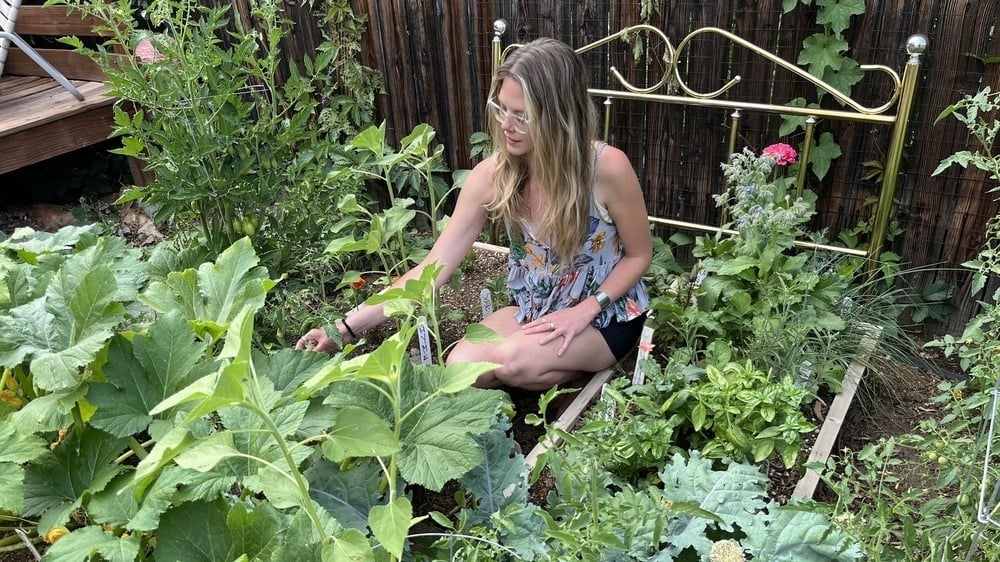
The centerpiece of Christina Connor’s Colorado garden is a brass headboard she purchased at a yard sale a couple of years ago for a few dollars, writes Zanny Merullo in this story about how to thrift a no-waste garden. “When she was ready for an upgrade, she looked at the headboard and asked herself what she could do with it before giving it away. Coincidentally, she’d just bought a couple of raised garden beds on sale from the local plant nursery. ‘I thought I could do a little play on words…garden bed,’ she says with a laugh as she shows me how she’s encouraging her pole beans to climb up the headboard.”
Read more about how she turns thrift store finds into garden treasures. |
|
|
|
|
|
DISPATCHES FROM ALL OVER · SUSTAINABLE LIVING ADVICE · ECO-FRIENDLY RECIPES |
|
“Change starts at home: a heat pump, an electric vehicle, even an electric bike. Then it scales up — to your community, your city, your state, even federal policy. That leap from your garage to the government can feel abstract. The calculator makes it concrete, and helps you find your next step.”
– Leah Stokes, author of The Carbon Wave: A Story of Democracy, Parenthood, and the Race to Protect Our Planet, writing in the Talking Climate newsletter about her new Carbon Wave calculator, which can guide you toward positive change |
|
|
 |
|
For just $5/month, you can become a Bluedot Living member — investing in a healthier planet while unlocking real, everyday benefits for yourself. You'll enjoy 10% off every purchase from Bluedot Living Collection, our editor-curated marketplace of planet-friendly brands and products and you'll receive additional member-only store discounts each month. Many members recoup the cost of membership in just a handful of purchases from our store. From there, the savings continue — making sustainable living more accessible, affordable, and impactful. |
| Join for $5/month |
|
|
|
QUICK LINKS |
|
Skip scrolling! Here's what you'll find in this edition of the Bluedot newsletter: |
|
|
|
|
|
|
|
FEATURED STORIES |
|
BIG IDEAS AND LOCAL CHANGEMAKERS |
|
When you’re trying to build a home that’s lighter on the planet, the best choices are often the simplest: an appliance that moves heat from the outside into your home, native perennials that come back year after year to feed you and the ecosystem, and earthen building materials that require fewer resources. |
|
|
|
|
 |
|
Get more of Bluedot Living delivered directly to your inbox. From the Daily Dot advice column and The Weekly news hub to Bluedot Living Kitchen and the biweekly Buy Better Marketplace, and more, we offer a range of newsletters tailored to your interests and wherever you are on your sustainable living journey. |
| Sign Up Now |
|
|
|
|
|
|
|
|
|
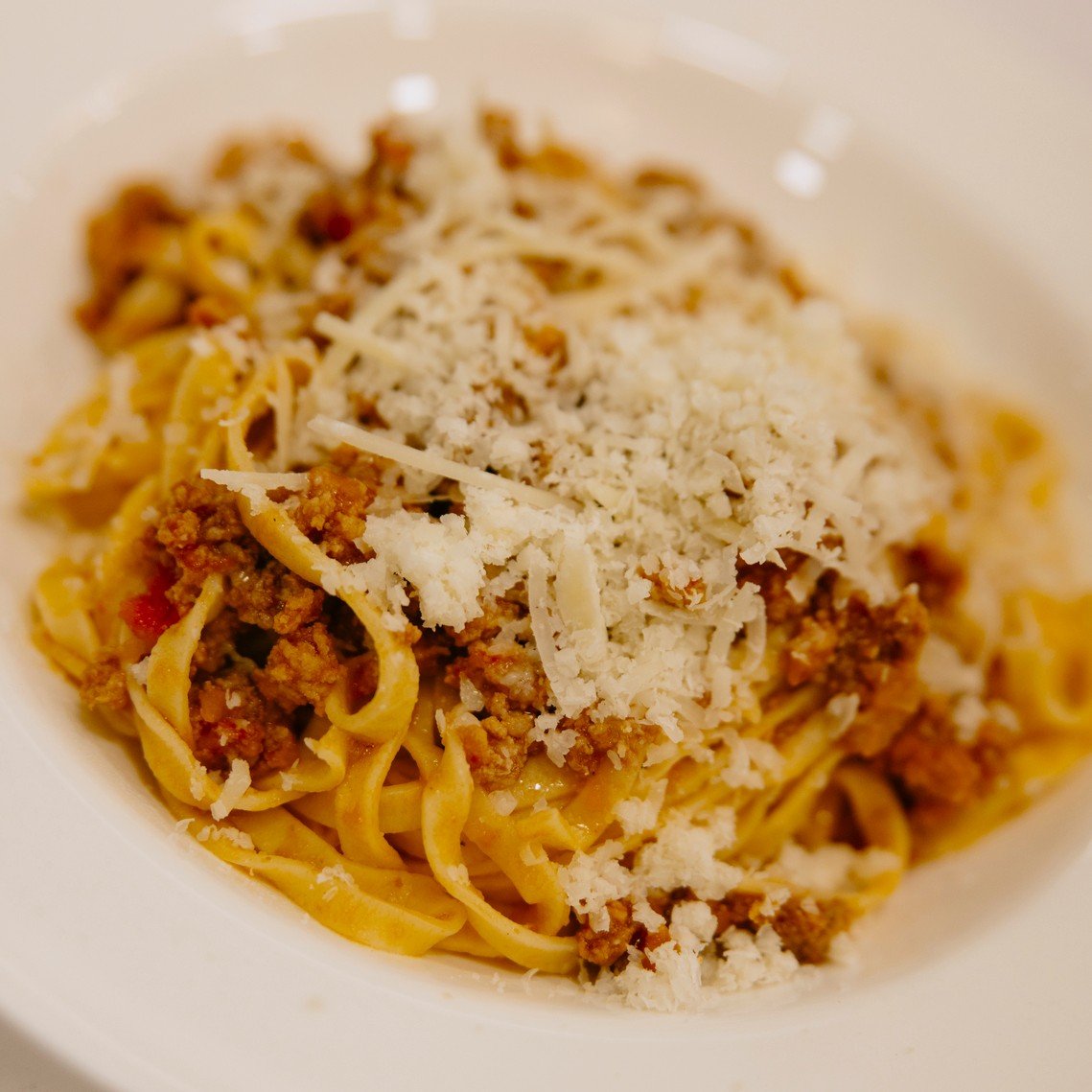
Once you realize how simple it is to make pasta at home, you’ll never want to go back to the pre-packaged stuff. All you need is flour and eggs! Making pasta from scratch means no excess packaging and no unnecessary ingredients. It can be a fun cozy-day kitchen project for the whole family — and it’s sure to satisfy even the pickiest of eaters. Serve with your choice of pasta sauce.
Get the recipe. |
|
|
|
|
|
|
 |
|
Since 2000, 18 states have passed legislation that allows property owners to build accessory dwelling units — otherwise known as granny flats, in-law suites, or backyard cottages — on their land. ADUs are new builds that address housing shortages without contributing to urban sprawl; they’re a low-profile way to improve urban housing density without cluttering streetscapes. The ADU in this photo is an impressive six-unit structure that manages to fit right into its San Diego neighborhood. If you’re one of the thousands of households adding an ADU to your property, read on for tips and advice for designing and building it with sustainability in mind. With proper planning, you can shrink your backyard bungalow’s energy footprint and make it a pleasant and planet-friendly place to live. |
|
|
|
Paid Advertisement with Porte + Hall |
Design Starts at the Door |
 |
|
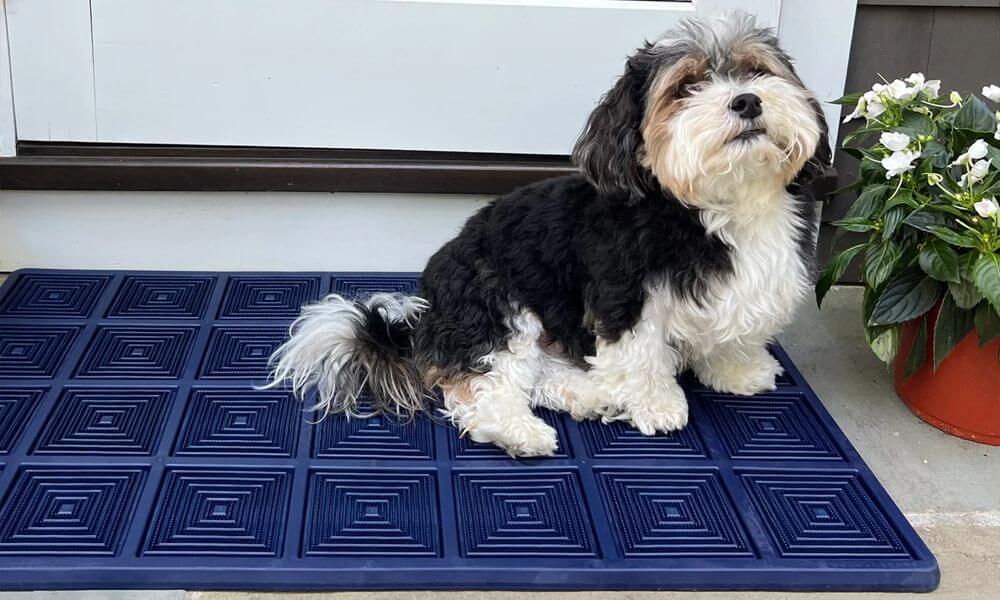
Good design doesn’t stop at your living room. It starts the moment you walk through the door, even if that space doesn’t usually get much thought. Porte + Hall is here to change that. Instead of disposable, purely functional pieces, they’ve created entryway essentials that balance thoughtful design with long-term performance. Everything is made to look good in your space while still holding up to the day-to-day reality of dirt, weather, and constant foot traffic. Bluedot Living readers can enjoy 15% off sitewide (excluding the Porter) with code ENTRY15—because even the most functional pieces in your home deserve a design upgrade. |
| Discover the Collection |
|
|
|
|
“Have nothing in your houses that you do not know to be useful, or believe to be beautiful,” is the governing philosophy of Margot Guralnick and Fan Winston, authors of Remodelista: The Low-Impact Home. As Bluedot contributor Molly Doyle writes, the result is a more sustainable home that never stops being liveable — helped along by the duo’s love of vintage items, which they argue are often better quality than their newer, disposable counterparts. Bluedot’s editorial director Leslie Garrett explores how the philosophy extends outdoors with a review of Gardenista: The Low-Impact Garden, which advocates for outdoor space that is “more enjoyably abundant and imperfect, looked after by a person rather than a cleanup crew.” Together, the books not only provide gorgeous photos sure to inspire but reassurance that sustainability isn't so much about austerity as intention. |
|
|
|
|
|
A few weeks into the school year, routines are starting to take shape — and it’s easier to see what’s actually useful. If you held off on buying new supplies until you knew what you really needed, now’s a good time to fill in the gaps. Our Back-to-School Collection includes durable backpacks, lunch gear, water bottles, organic cotton uniform polos, and more practical picks designed to last all year long.
Shop What You Actually Need |
|
|
|
|
|
|
The Keep-This Handbook |
|
In part one of our Guide to Building a Better Bathroom, we focus on ways to reduce water use, make recycling easier, replace disposables with reusables, and choose durable bathroom basics built to last. All of the advice is renter-friendly, too! |
|
|
|
|
About That Teardown |
|
I’m tearing down an old garage in my backyard and building an ADU (not an apartment building, just a 600-square-foot house). I’m trying to make it as planet-friendly — and wallet-friendly — as possible. One thing I am looking at is trying to shade the south-facing structure as much as possible, at least in the summer, so I don’t use as much air-conditioning. Because I will have solar on the roof, I have to clear some trees in front of the house, so … there went a lot of my natural shade. My architect has designed a pergola that will act as an awning of sorts across the front of the house. I’ll look at guidance from one of our local environmental groups on which native vines I can drape this pergola with — I’m envisioning my morning coffee in the front window, with sunlight just softly filtering in.
Another thing I’m considering is reusing some of the tongue-in-groove boards in the decaying garage. It might not save me any money, but I won’t be throwing away many, many board feet of (sure, it needs cleaning) wood that could be used on an interior wall.
Our colleague Britt Bowker, who edits our Nantucket Green Guide, wrote this piece about the efforts to curb building waste there: “Since 2022, at least 17,000 tons of construction and demolition debris are shipped off the island to landfills each year, usually in Maine or Ohio. … As discarded materials decompose, they emit greenhouse gases like methane, a potent driver of global warming. But there’s a sustainable way forward: at least 4,500 tons of this material could be salvaged and reused instead of thrown away.”
Read more about the tax benefits and personal satisfaction Nantucketers are enjoying by repurposing, deconstructing (the careful dismantling of a structure to preserve materials), and even donating their old houses (Nantucket leads the state of Massachusetts in house moves). And most states have their own guidelines for salvage and deconstruction — check them out before tearing down your old garage!
Enjoy the weekend, and we’ll see you next week.
– Jamie Kageleiry (and Emily Cain, Leslie Garrett, and Robin Jones)
Editors
Write us at editor@bluedotliving.com |
|
|
 |
|
Leslie Garrett has been covering climate stories for close to two decades. She makes her home in Canada, west of Toronto. She’s still figuring out her favorite spot but it’s definitely near the water.
Jamie Kageleiry, a longtime magazine and newspaper editor from Martha’s Vineyard, says her favorite spot on earth is out on a kayak there, looking at birds.
Robin Jones is a Southern California native who served as an editor at Westways magazine for more than a decade. She lives in Long Beach and teaches journalism at Cal State Long Beach.
Emily Cain is a recent graduate of Cal State Long Beach, where she wrote and edited for the university’s award-winning magazine, DIG. |
|
|
|
Our audience is informed, intentional, and tuned in to sustainable living. Reach our 300,000 readers by advertising here, or contact adsales@bluedotliving.com to reserve your space. |
|
|
|
|
|
|