|
|
 |
|
Formerly The Hub |
|
|
|
|
|
|
|
Welcome to The Weekly, a Bluedot Living newsletter that gathers good news, good food, and good tips for living every day more sustainably. |
|
Welcome to The Weekly, a Bluedot Living newsletter that gathers good news, good food, and good tips for living every day more sustainably. |
|
If you purchase anything via one of our links, including from Amazon, we may earn a small commission. All Dear Dot illustrations by Elissa Turnbull. |
|
|
|
|
SIMPLE / SMART / SUSTAINABLE / STORIES |
 |
|
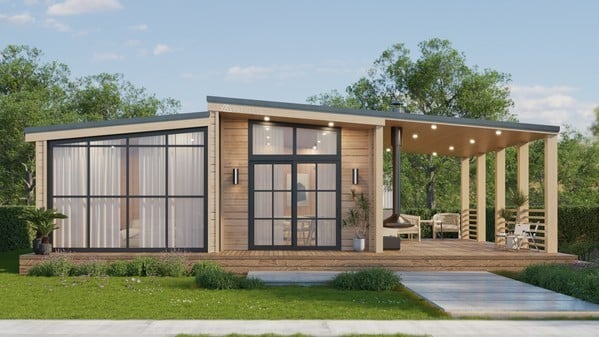
This home was made from 420,000 recycled plastic bottles. “In a studio in the CBC Broadcasting Centre in Toronto, beneath a set of glaring stage lights, Parinaz Pakniat, founder and CEO of PakVille, has just dumped a recycling-bin-worth of plastic bottles on a stage in front of six of Canada’s top entrepreneurs,” writes Andrew Cruickshank about Pakniat’s efforts to raise money for her company, which employs innovative technology to build modular homes. Canada needs to build more than 3 million homes in the next five years, and they also have a plastic waste crisis.
Read more about Pakniat’s startup.
|
|
|
|
|
|
|
 |
|
Hunker down for the winter in ettitude’s planet-friendly bedding. The long nights are cozier with silky-soft sheets, vegan cashmere throw blankets, and luxurious waffle blankets, all made from the brand’s patented regenerative organic bamboo. Find this and more sustainable products to make it through winter in the Bluedot Living Collection
|
| Shop Now |
|
|
|
|
|
|
|
|
|
DISPATCHES FROM ALL OVER
SUSTAINABLE LIVING ADVICE
ECO-FRIENDLY RECIPES |
|
DISPATCHES FROM ALL OVER · SUSTAINABLE LIVING ADVICE · ECO-FRIENDLY RECIPES |
|
|
|
|
 |
|
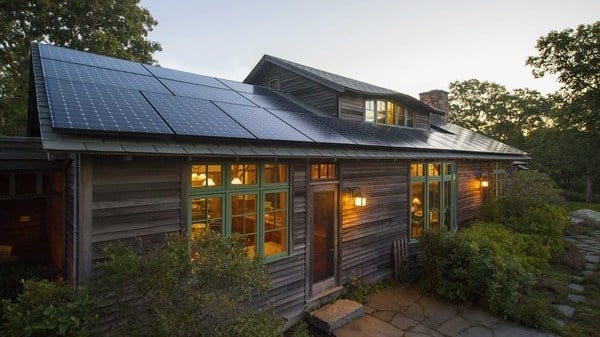
“The result conveys deep affection for and connection with the surroundings. The house was set back from the shore significantly further than the previous house, and nestled into the savannah-like terrain. The forms embodied in the house and the plantings reflect the larger environment — ancient outwash flows and wind-sheared outlines of tree canopies. The low, L-shaped form reduces the building’s presence from the pond, while providing a diversity of views from within.”
– John Abrams, former CEO of South Mountain Company, writing about a home he built next to a pond on Martha’s Vineyard, on a rare sandplain habitat — land that was slated to be developed as a golf course. In a collaboration with The Nature Conservancy and South Mountain Company, Ann and Brian Mazar bought the land, had the existing structures moved to a new neighborhood full of homes moved from construction sites (thus saving the demolition and creating new housing), then built what would become a zero-energy home. Ann said recently, “We are glad this property found us. We never wanted to own a second home, but the combination of protecting a rare habitat, living on a beautiful site overlooking the Edgartown Great Pond … was too good to pass up. Sharing this special place with our friends, family, and other conservation-minded people has been a blessing.”
|
|
|
|
|
QUICK LINKS |
|
Skip scrolling! Here's what you'll find in this edition of the Bluedot newsletter: |
|
|
|
|
|
|
 |
|
What if every farm nourished, land, people, and community? This Imagine If podcast episode features Liz Cicchelli of Granor Farm, who shares how her family grew a 10-acre plot into a 400-acre regenerative ecosystem rooted in soil health, thoughtful expansion, and deep community engagement. From greenhouse dinners to grain production to a children’s farm camp, Liz shows how farming can be both economically viable and radically hopeful.
Click now to listen on your favorite listening platform!
|
|
|
|
|
|
|
|
FEATURED STORIES |
|
BIG IDEAS AND LOCAL CHANGEMAKERS |
|
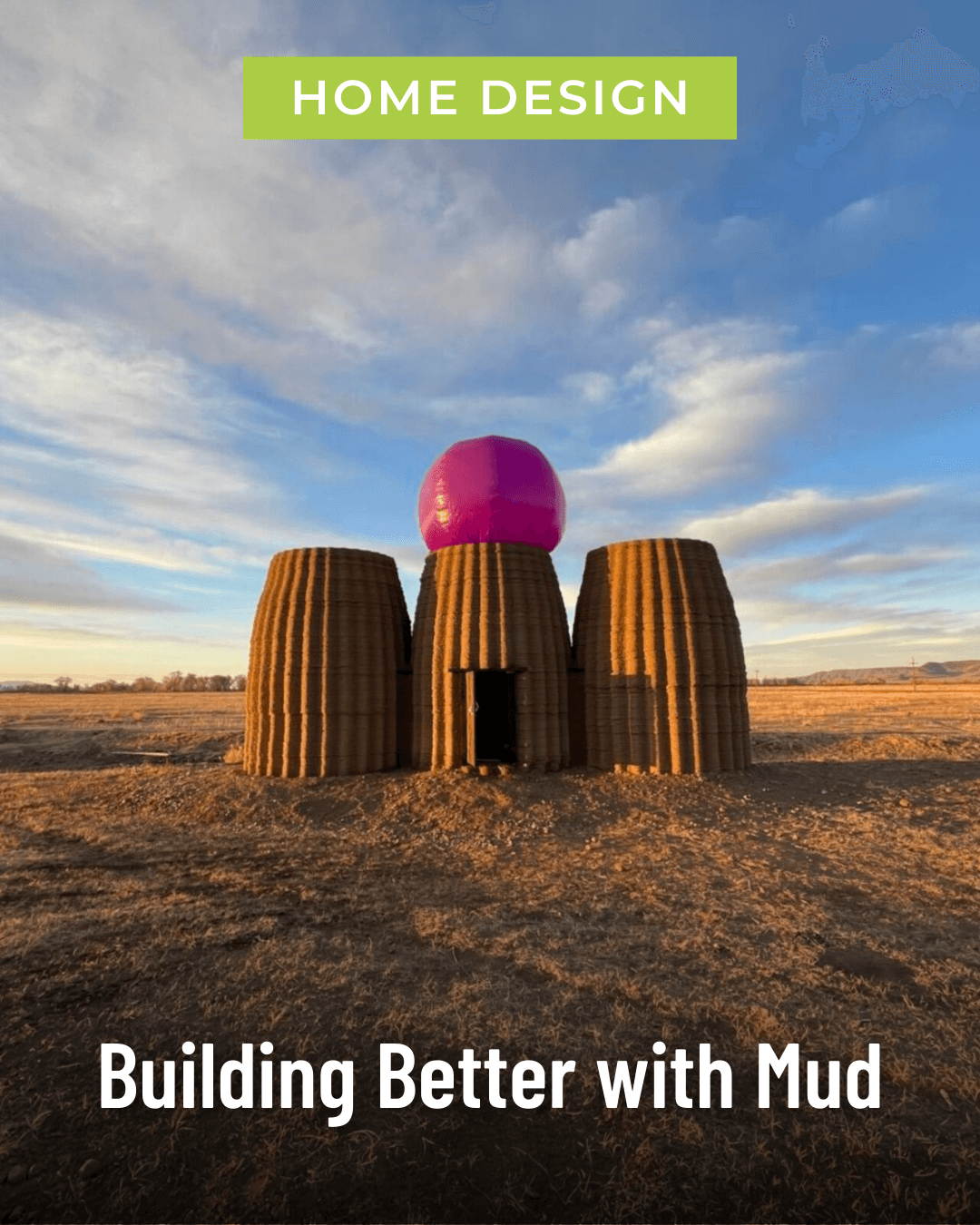
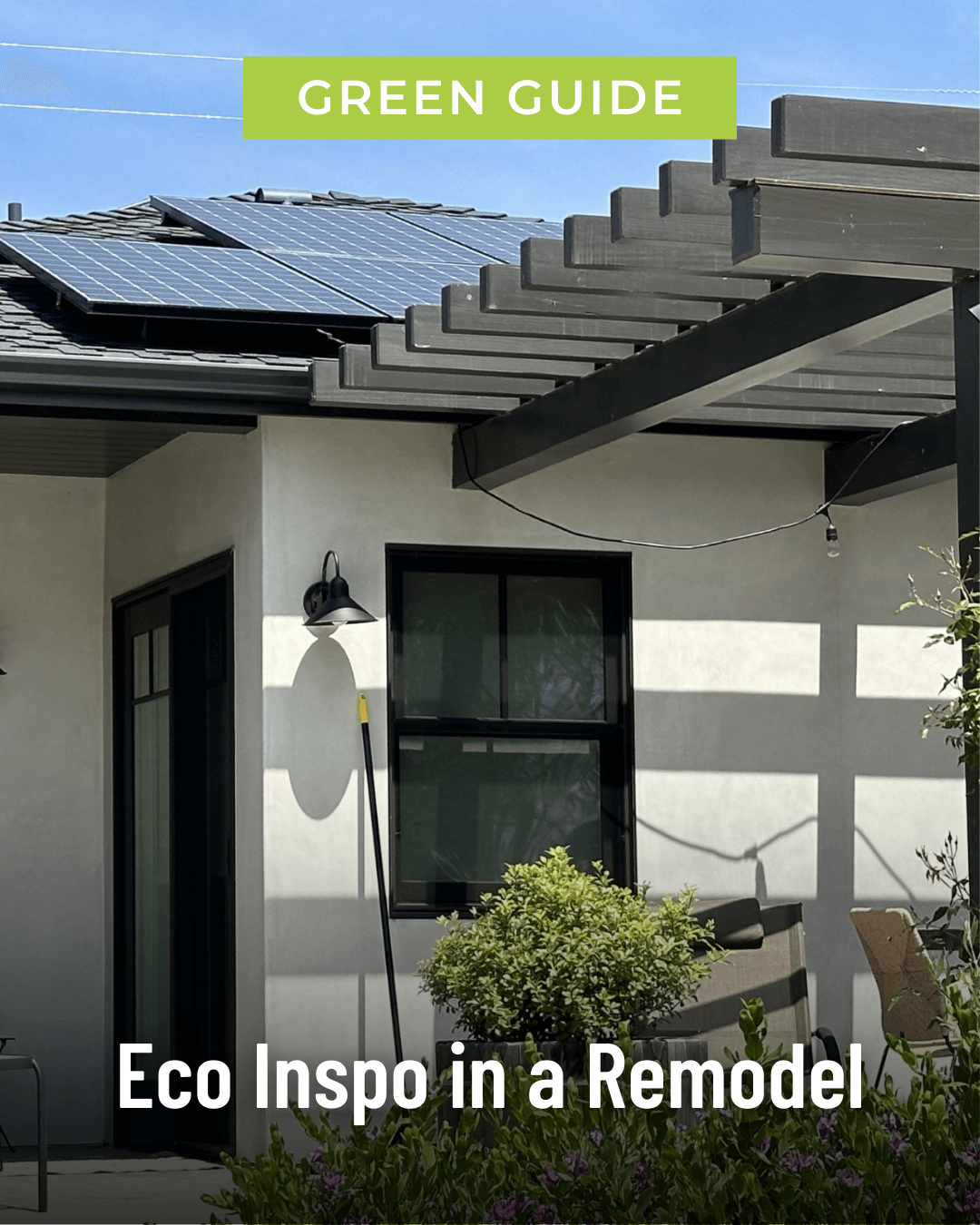
When it comes to building (or rebuilding) your home, misconceptions about eco-friendly options abound: It’s too expensive, they say, and it takes forever. These stories describing building methods both modern and ancient prove the naysayers wrong.
|
|
|
|
|
|
|
|
|
|
We love making soups this time of year to keep warm and get in lots of veggies. If you have produce that needs cooking pronto, turn to a soup. These three recipes are great waste-savers, and they’re filling enough for a satisfying dinner. Save any veggie scraps in the freezer for a future homemade veggie stock!
Get the recipes.
|
|
|
|
|
|
|
 |
|
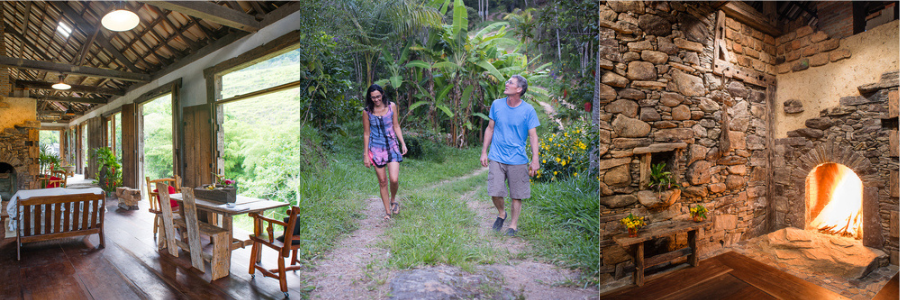
Claudia Macedo was born in Brazil and stonemason Lew French had visited the Mata Atlântica region. They met in Massachusetts, married, then returned to Brazil to help with a rainforest restoration project. Eventually, they decided to build a home, mostly stone, with many rooms open to the outdoors. “There is water everywhere — in hundreds of waterfalls and springfed rivers, trickling down every leaf and flower petal from dew in the early morning and by way of incredible tropical storms that arrive without warning on the sunniest of days,” Lew told Bluedot founder Victoria Riskin.
Read more about the home they built (and enjoy the gorgeous photos).
|
|
|
|
|
|
|
 |
|
Illustration by Elissa Turnbull |
|
Dear Dot,
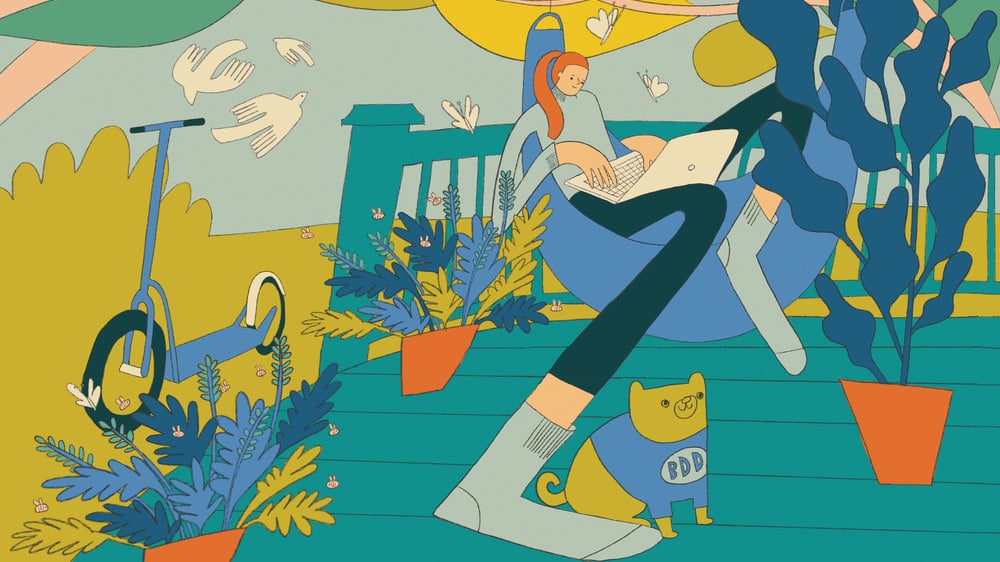
I love to curl up with my cat in front of a blazing fire. Is burning wood a better way to warm my home than cranking the thermostat? Are commercial fireplace logs better/worse? Should I consider a gas or electric insert? Please advise as it’s freezing in Northern Michigan.
– Sunny
Dear Sunny,
While our Neanderthal ancestors (and presumably their cats) were better adapted for cold, they nonetheless had methods to help them stay warm, including wearing fur (PETA hadn’t yet been invented), hibernating, and, of course, fire. Indeed, new research indicates that fire may have kept our species warm for an estimated 850,000 years.
More recently, we’ve kept ourselves from freezing mostly by burning fossil fuels to power radiators and furnaces. But alongside modern technology, fireplaces and woodstoves maintain a place in our hearts and our homes — according to the Hearth, Patio, and Barbecue Association, seven in 10 American homes have some sort of fireplace, wood stove, or insert (more on inserts coming).
Whether it’s contained by a ring of rocks in the woods or a small hole in our walls, fire continues to enchant.
Has Dot ignited your curiosity? Keep reading to find out how to burn better. |
|
|
|
|
|
|
|
|
|
|
|
|
|
If you make a purchase through our links, including from Amazon, we may earn a small commission. |
 |
|
|
|
|
|
|
|
|
|
Spice up your space with Unwilted’s “Extra Spicy Please” paper flower arrangement, which combines intricately crafted peonies and ranunculus to create a stunning design that’s sure to turn heads. And no need to water them (or throw them out)!
Buy Now.
|
|
|
|
|
 |
|
We believe small changes can add up to big impact, and Bluedot wants to inspire and empower you to live more sustainably with our new membership program. As a member, you can receive not only a curated collection of some of our favorite planet-friendly products to help you green your home, but also connection to a community of like-minded people making impactful changes.
Ready to make a difference? |
| Become a Member |
|
|
|
The Keep-This Handbook |
|
Put construction waste to good use by donating it to Habitat for Humanity’s ReStores. And be sure to dispose of appliances responsibly. Bluedot’s Guide to Getting Rid of Anything tells you how.
|
|
|
|
|
|
|
 |
|
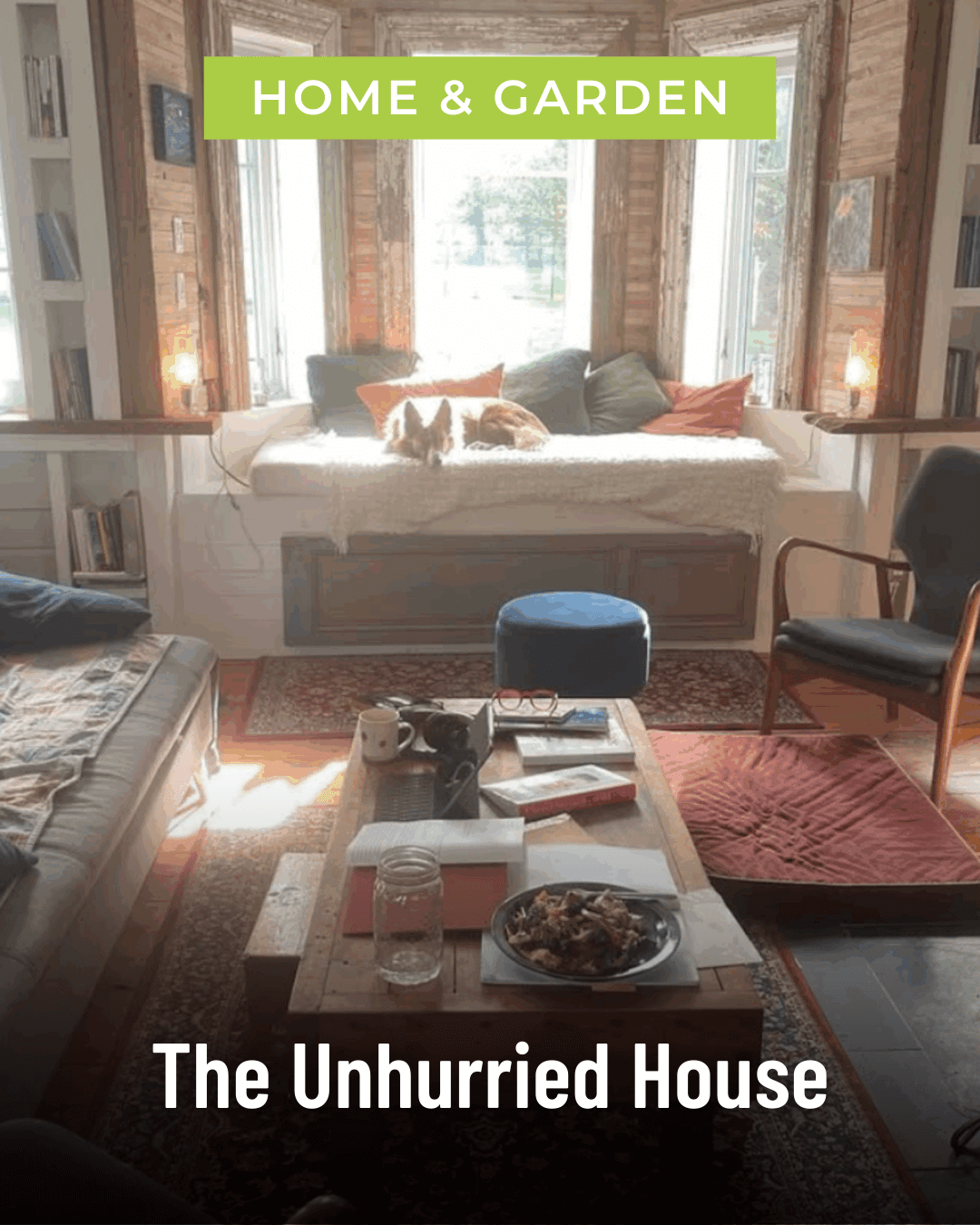
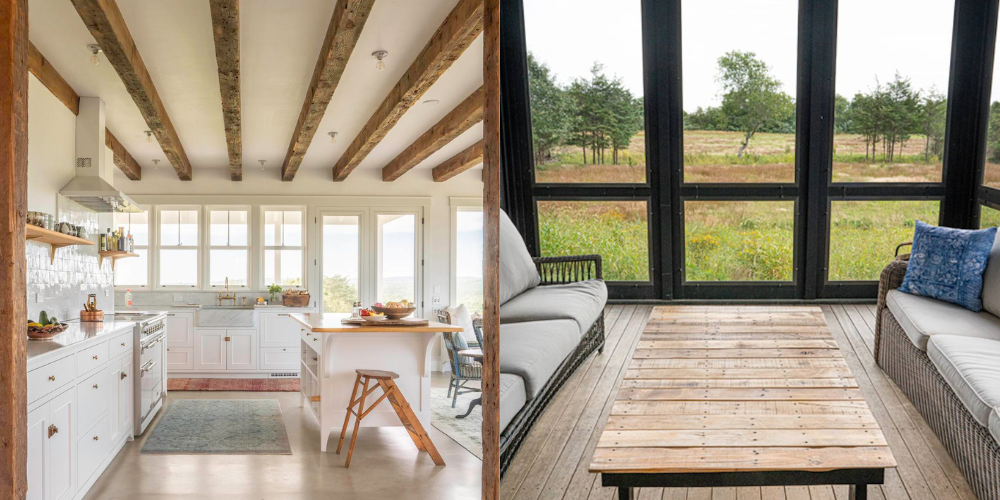
One of our favorite stories from the Bluedot Living archives is this one about two Massachusetts sisters with two (vastly) different budgets, but a shared vision to build green homes. One sister embarks on a restoration of a historic homestead overlooking two ponds, seeking to renovate it as sustainably as possible. Walk through the house with her and she’ll mention the rock wool, and mini-splits, and permeable membranes. The other sister needs to economize, so she works with a company that builds energy-efficient modular homes. She also makes her own furniture (some of which ended up in the pondside renovation).
Also: We now have four episodes of our podcast available for streaming! In our latest, we talk with Liz Cicchelli, who started the regenerative Granor Farm in Michigan. Read about all our podcasts here.
Have a great weekend. We’ll see you next week!
– Jamie Kageleiry, Leslie Garrett, Emily Cain, and Robin Jones
Editors
Write us at editor@bluedotliving.com |
|
|
|
|
 |
|
Leslie Garrett has been covering climate stories for close to two decades. She makes her home in Canada, west of Toronto. She’s still figuring out her favorite spot but it’s definitely near the water.
Jamie Kageleiry, a longtime magazine and newspaper editor from Martha’s Vineyard, says her favorite spot on earth is out on a kayak there, looking at birds.
Robin Jones is a Southern California native who served as an editor at Westways magazine for more than a decade. She lives in Long Beach and teaches journalism at Cal State Long Beach.
Emily Cain is a recent graduate of Cal State Long Beach, where she wrote and edited for the university’s award-winning magazine, DIG. |
|
|
|
|
|
Our audience is informed, intentional, and tuned in to sustainable living. Reach our 300,000 readers by advertising here, or contact adsales@bluedotliving.com to reserve your space. |
|
|
|
|
|
|