|
|
|
|
|
|
|
Welcome to The Weekly, a Bluedot Living newsletter that gathers good news, good food, and good tips for living every day more sustainably. |
|
Welcome to The Weekly, a Bluedot Living newsletter that gathers good news, good food, and good tips for living every day more sustainably. |
|
|
|
|
SIMPLE / SMART / SUSTAINABLE / STORIES |
|
|
|
|
|
|
|
|
 |
|
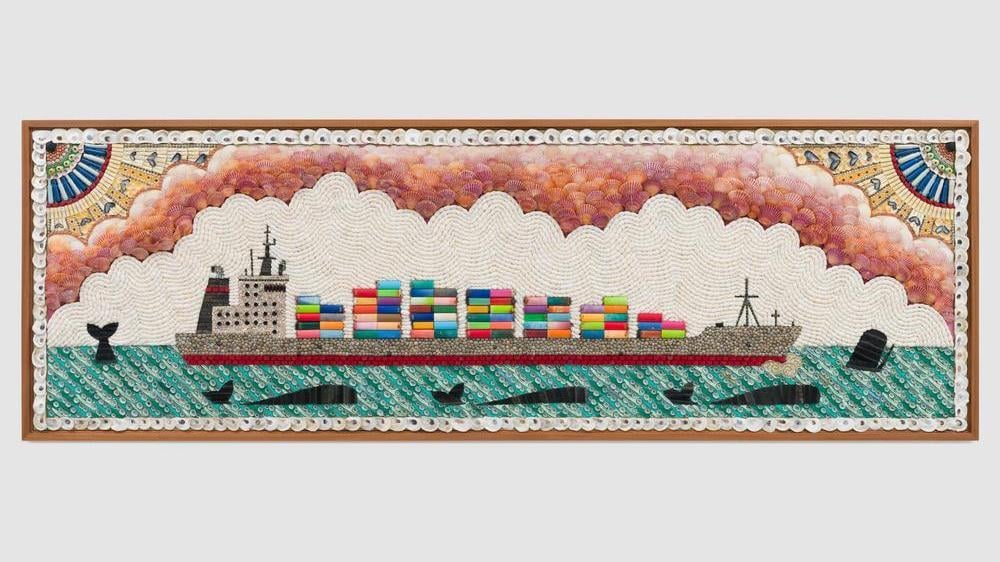
For years, Brooklyn-based artist Duke Riley made sailor’s valentines from shells he found on the beach. Over time, he realized he was finding more plastic than shells along the shoreline, so he started incorporating the trash into his elaborate symmetrical collages inspired by the art 19th-century sailors would bring home after a long journey at sea. From there, the plastic trash found its way into other maritime crafts he created, including scrimshaw and fishing lures. “I was always using a lot of maritime traditional folk art as a reference to talk about various issues,” Duke told Bluedot contributor Lily Olsen. The beach trash in his work, he says, “reflected the changing reality of the urban waterfront.” Read on.
|
|
|
|
|
|
|
|
DISPATCHES FROM ALL OVER
SUSTAINABLE LIVING ADVICE
ECO-FRIENDLY RECIPES |
|
DISPATCHES FROM ALL OVER · SUSTAINABLE LIVING ADVICE · ECO-FRIENDLY RECIPES |
|
|
|
“No tree, no flower, no blade of grass would be able to grow and to thrive alone on this earth, for they would be knocked over by the wind, pelted by the rain, or dried out by the blazing rays of the sun, if indeed they did not grow up together in common, mutually protecting and nourishing one another.”
– Severin Jørgensen, organizer of the Danish cooperative movement in the late 19th century |
|
|
|
|
QUICK LINKS |
|
Skip scrolling! Here's what you'll find in this edition of the Bluedot newsletter: |
|
|
|
|
|
|
 |
|
Join a community creating real change, one everyday action at a time. Bluedot Living equips readers with practical resources, inspiring stories, and solutions that work — 98% say we have helped them make planet-positive changes. Become a member for as little as $5/month to support hopeful climate journalism and enjoy exclusive member benefits. |
| Learn More |
|
|
|
|
|
FEATURED STORIES |
|
BIG IDEAS AND LOCAL CHANGEMAKERS |
|
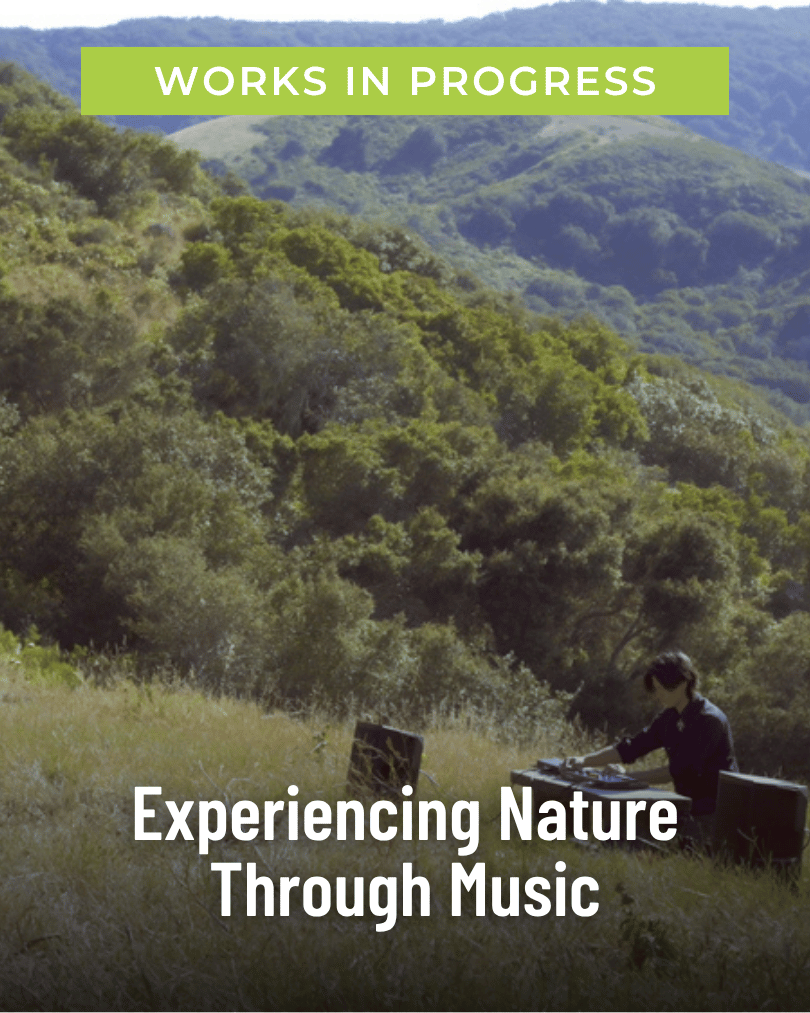
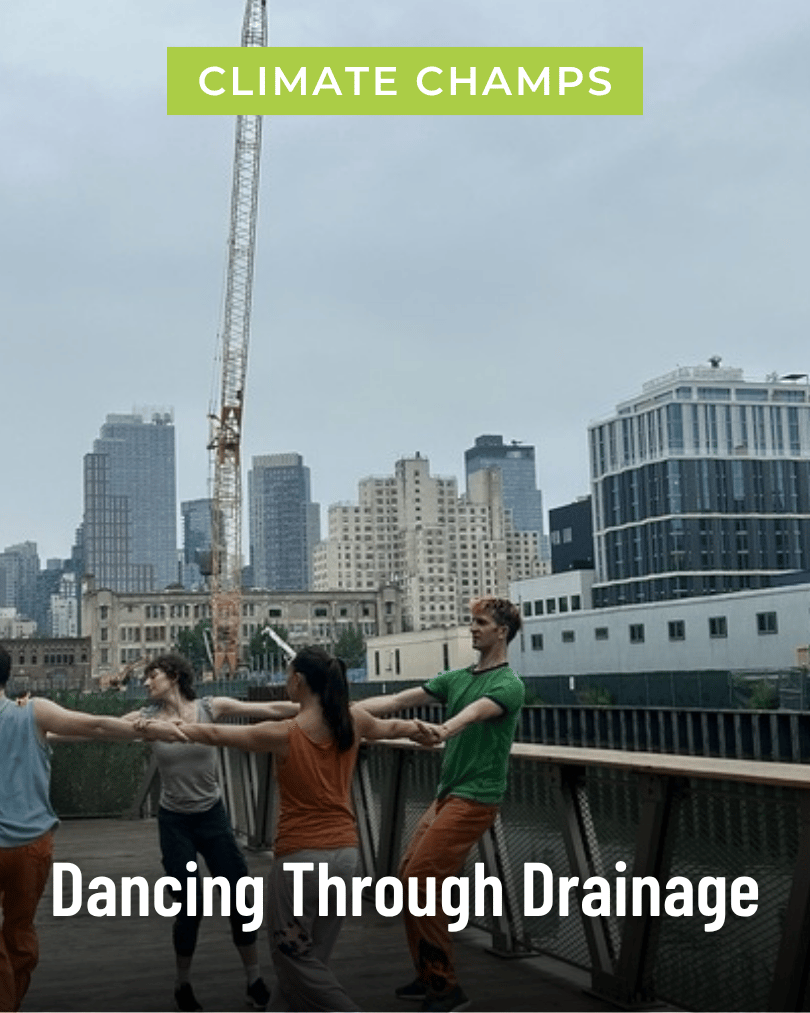
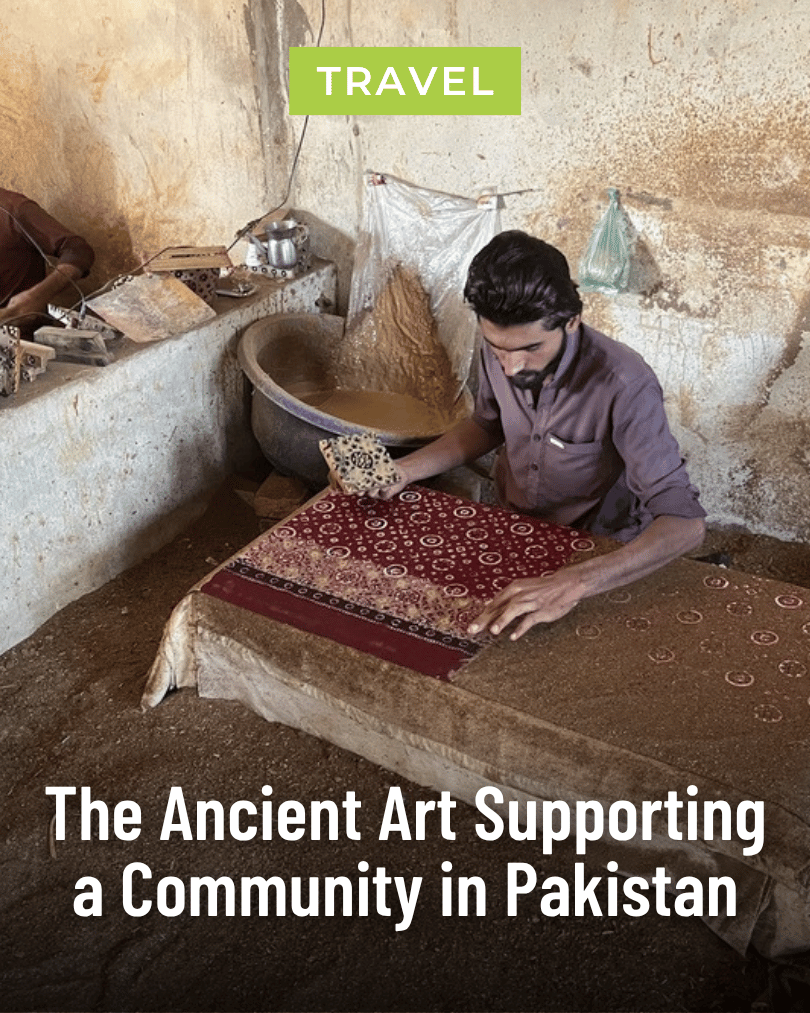
The amazing artists in these stories channel their creativity into music, dance, and textile art to connect with culture, community, and the natural world.
|
|
|
|
|
|
|
|
|
|
|
|
|
|
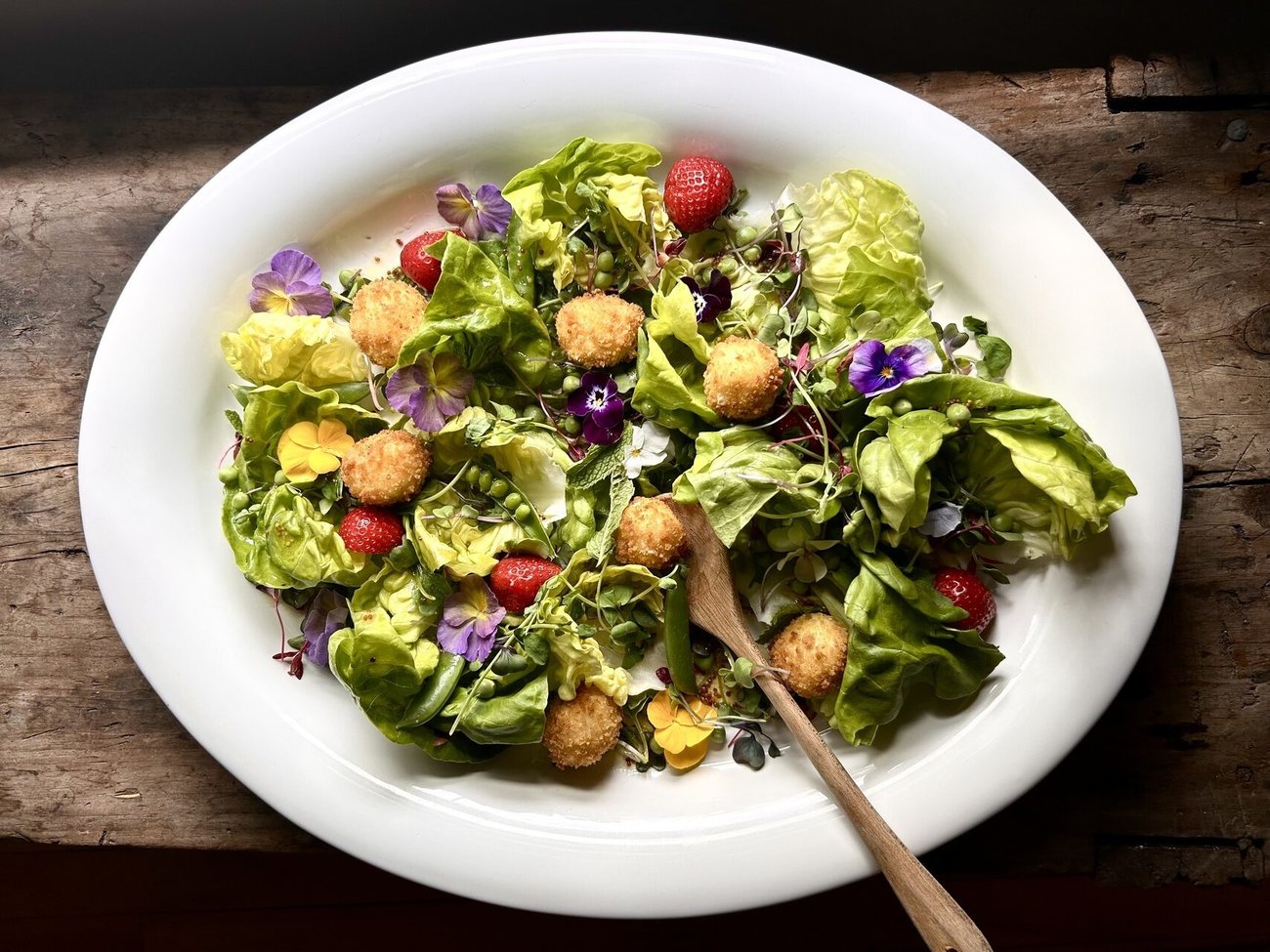
Food is fuel, but that doesn’t mean it can’t be pretty, too. This salad full of sweet berries, tender peas, and delicate flowers brings all the beauty of high summer to your plate. Scattered with pansies and finished with warm rounds of fried goat cheese and a tangy-sweet vinaigrette, it has the perfect balance of richness and brightness.
Get the recipe.
|
|
|
|
|
 |
|
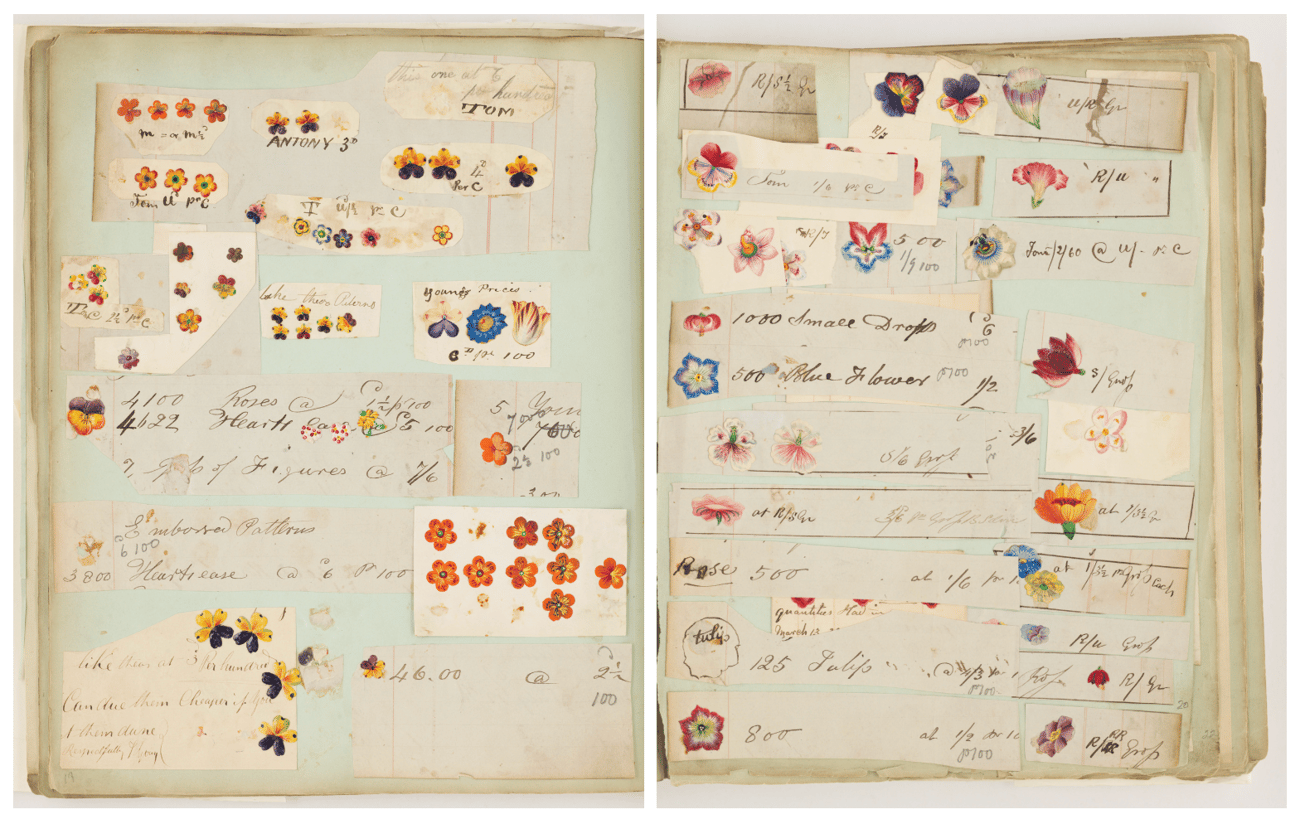
You’ve probably flipped through old scrapbooks full of photos, programs, flyers, and other meaningful bits of paper that your parents or grandparents kept. Maybe you’ve even made photo albums of your own. But did you know that people have historically used scrapbooks to express resistance, declare their identity, and make sense of popular culture? Bluedot editor Emily Cain spoke to a historian about the art of scrapbooking and how today’s version, better known as junk journaling, is allowing crafters to share and process their feelings about the climate age. |
|
|
|
|
Paid Advertisement with CashApp |
Help your kid build smart money habits early
|
 |
|
If you have a kid between 6 and 12, you can start teaching them smart money habits right now with Cash App. Kids between 6 and 12 can now have a Cash balance, order a Cash App Card, and start saving, but they don’t get access to the app.* There are no subscription fees, and you control it all through your app and account.
Manage money together
A Cash App Card designed by them: They get their own debit card to design, made by them, with you alongside. They can spend their allowance or money from chores, but you can set spending limits.
3.25% interest on savings: Kids can earn 3.25% interest and start building strong saving habits early.**
Safe money transfers: You can choose up to 5 people who can send them money. They can't send money or buy stocks or bitcoin.
Parent-controlled account: They can't log in on their own, and they don't need a phone. You control their account and see their activity. |
| Create Your Cash App Account Today |
|
Cash App is a financial services platform, not a bank. Banking services provided by Cash App's bank partner(s). Prepaid debit cards issued by Sutton Bank, Member FDIC. Cash App Visa Debit Flex Cards issued by Sutton Bank, Member FDIC, and The Bancorp Bank, N.A., pursuant to a license from Visa U.S.A. Inc. See terms and conditions for the Sutton prepaid card, Sutton debit flex card, and Bancorp debit flex card. Savings provided by Cash App, a Block Inc. brand.
*Parents and legal guardians can open a managed account for kids 6-12. To view the eligibility requirements for sponsoring a teen or child, please visit the Sponsored Accounts section of the Cash App Terms of Service.
**Cash App will pass through a portion of the interest paid on your savings balance held in an account for the benefit of Cash App customers at Wells Fargo Bank, N.A., Member FDIC. To earn interest on your Cash App savings balance, you need to have sponsor approval. Exceptions may apply. Savings yield rate is subject to change. |
|
|
|
|
|
 |
|
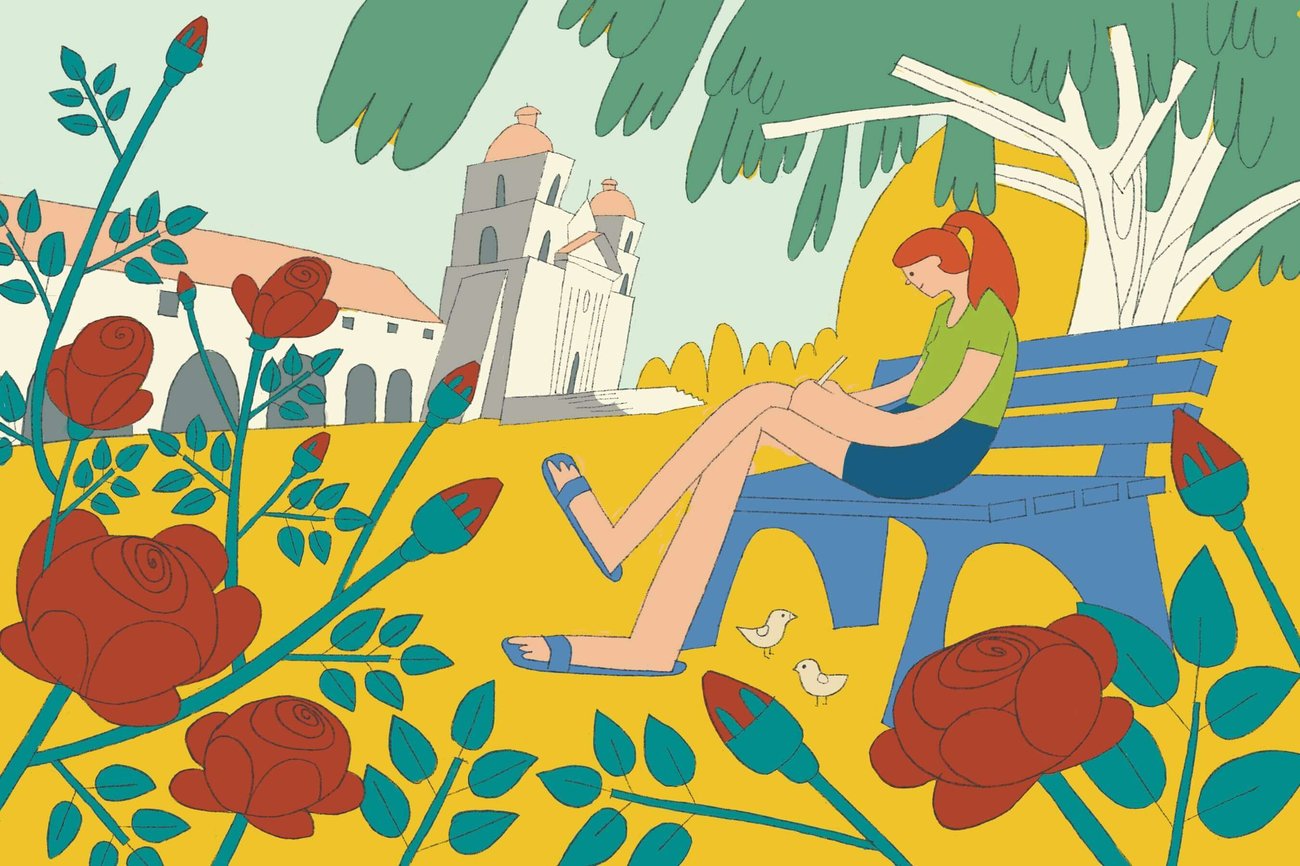
Illustration by Elissa Turnbull |
|
Dear Dot,
I keep hearing people talk about how important it is to build community as we confront a warming planet. But I live in a medium-sized city where people keep to themselves, so I’m not sure how to do that … or even really why I should. Help?
– Shawna
Dear Shawna,
Assuming we accept the premise that we are lonelier and more isolated (and not everyone agrees that loneliness is, in fact, an epidemic), then community-building seems a good idea to combat that. But even if, instead, we accept Our World in Data’s reportage that loneliness has remained fairly consistent over time, Dot maintains that community-building is still an important piece of climate action. Consider this from renowned scientist, broadcaster, and climate activist David Suzuki, who recently told a reporter that “The units of survival are going to be local communities, so I’m urging local communities to get together.” With increasing emergencies in the form of earthquakes, floods, droughts, and storms, he says, “governments will not be able to respond on the scale or speed that is needed for these emergencies.”
Citizens, Suzuki says, are “going to be at the front line of whatever hits and [had] better be sure you’re ready to meet it.” How can we citizens build that community? Keep reading.
|
|
|
|
|
|
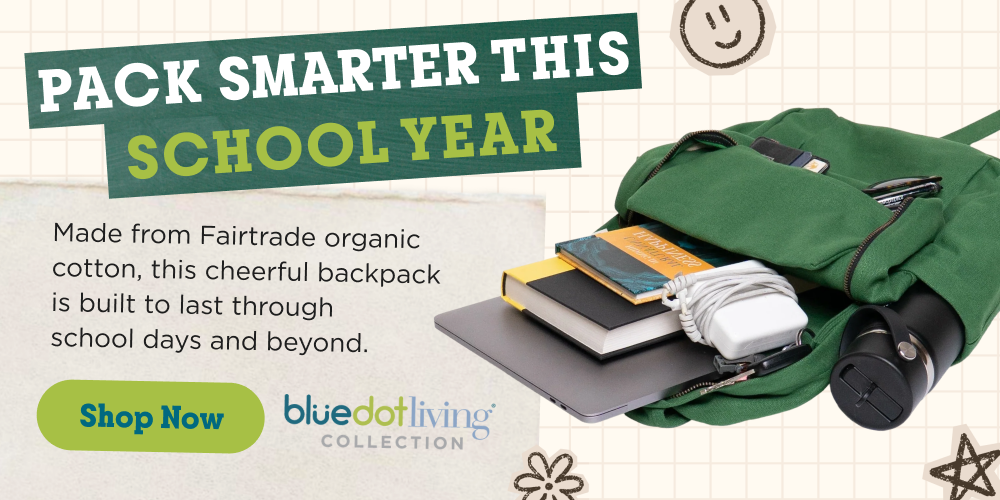
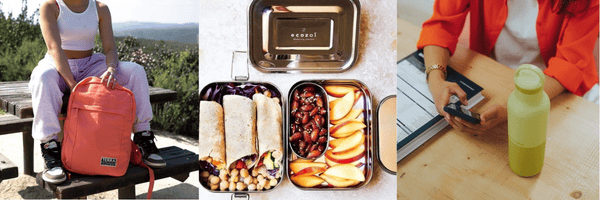
The start of a new school year has a way of inspiring fresh starts well beyond the classroom. A little planning, a few durable essentials, and a focus on buying only what you need can save you money, reduce waste, and make the transition into the new season a little easier. |
|
 |
|
|
|
A backpack is one of the hardest-working items you’ll own, so it’s worth choosing one designed for years of daily use. Terra Thread’s organic cotton canvas backpacks come in multiple sizes and are available in over a dozen colors. ($15.95+)
Shop now.
|
|
|
|
Packing lunch is one of the easiest ways to cut back on single-use plastics. Ecozoi’s stainless steel bento boxes keep foods neatly separated with leakproof lids, while reusable snack bags and cloth napkins help replace disposable bags and paper products. ($2.50+)
Shop now.
|
|
|
|
Staying hydrated is easier when you have a reusable bottle or mug you enjoy using. Over its lifetime, a single reusable bottle or mug can replace thousands of disposable bottles and cups. From lightweight bottles to insulated travel mugs, these durable essentials help reduce waste while keeping drinks close at hand. ($17.95+)
Shop now.
|
|
|
|
|
What You Can Do: Get Creative! |
|
Pick up a sketchbook or camera or notebook and head to your local park to take in the birds, trees, squirrels — whatever tickles your fancy. Art encourages us to pay closer attention, to get curious, which, in turn, builds connection. If you want to learn from the pros, Cornell Lab of Ornithology offers courses. Or seek out classes right in your community.
|
|
|
|
|
 |
|
Get more of Bluedot Living delivered directly to your inbox. From The Weekly news hub to Bluedot Living Kitchen and the biweekly Buy Better Marketplace, and more, we offer a range of newsletters tailored to your interests and wherever you are on your sustainable living journey. |
| Sign Up Now |
|
|
|
|
The Keep-This Handbook |
|
Reading about our world can help us make sense of it — and inspire us to take action to protect it. But don’t just read about sustainability. Practice it by bartering, borrowing, or second-hand-buying your next book! Our Bookworm’s Guide to Sustainability gives you the goods on green reads.
|
|
|
|
|
Parting Thoughts About Art and Climate |
|
Summer has always, for me, meant reading: on the beach, on the porch, in a hammock, during a road trip (not when I’m the driver, of course!). But this summer, no matter where I’ve been, I’ve experienced extreme heat and the apocalyptic orange haze from not-too-distant wildfires. In other words, I’ve been feeling the effects of climate change — both off the page, and on.
My books have reflected what I’m feeling, starting with Ian McEwan’s What We Can Know, in which one of the main storylines (the book toggles between a near-distant past and a climatically altered future) features a character’s deep love of nature and her husband’s gift of a poem reflecting that. From there, I moved to Kim Stanley Robinson’s Ministry of the Future, which — full confession — I put down to read once the snow starts flying because its depictions of extreme heat hit a bit too close to home. And just last night, I turned the final page of George Saunders’ Vigil, which features an … angel? … visiting a former oil executive — “more powerful than a king,” he boasts — to offer him the chance to seek redemption and receive comfort.
A few years ago, Bluedot contributor Kelsey Perrett wrote about an art installation by Cindy Kane, who painted images of endangered species on suitcases and valises that she sourced from thrift shops. Kane wanted us to consider “what it means to carry our collective psychological encumbrances through the world,” Perrett wrote, quoting Kane as saying “I started thinking, what does ecological grief look like? What does it feel like?”
Art doesn’t just reflect what’s happening back to us. It gives us a glimpse of what we’re co-creating, a chance to process our feelings about it. But perhaps its greatest gift is that it gives us the chance to design a different future.
Enjoy the weekend, and we’ll see you next week.
– Leslie Garrett (and Emily Cain, Robin Jones, and Jamie Kageleiry)
Editors
Write us at editor@bluedotliving.com |
|
|
|
|
 |
|
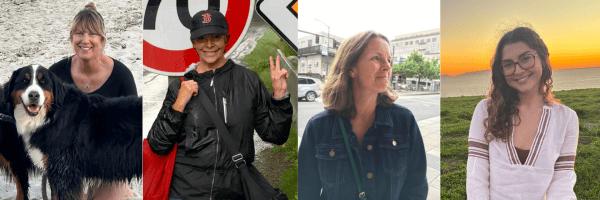
Leslie Garrett has been covering climate stories for close to two decades. She makes her home in Canada, west of Toronto. She’s still figuring out her favorite spot but it’s definitely near the water.
Jamie Kageleiry, a longtime magazine and newspaper editor from Martha’s Vineyard, says her favorite spot on earth is out on a kayak there, looking at birds.
Robin Jones is a Southern California native who served as an editor at Westways magazine for more than a decade. She lives in Long Beach and teaches journalism at Cal State Long Beach.
Emily Cain is a recent graduate of Cal State Long Beach, where she wrote and edited for the university’s award-winning magazine, DIG. |
|
|
|
|
|
Our audience is informed, intentional, and tuned in to sustainable living. Reach our 300,000 readers by advertising here, or contact adsales@bluedotliving.com to reserve your space. |
|
|
|
|
|
|
|
|