|
|
|
|
|
|
|
Welcome to The Weekly, a Bluedot Living newsletter that gathers good news, good food, and good tips for living every day more sustainably. |
|
Welcome to The Weekly, a Bluedot Living newsletter that gathers good news, good food, and good tips for living every day more sustainably. |
|
|
|
|
SIMPLE / SMART / SUSTAINABLE / STORIES |
|
|
|
|
|
|
|
|
 |
|
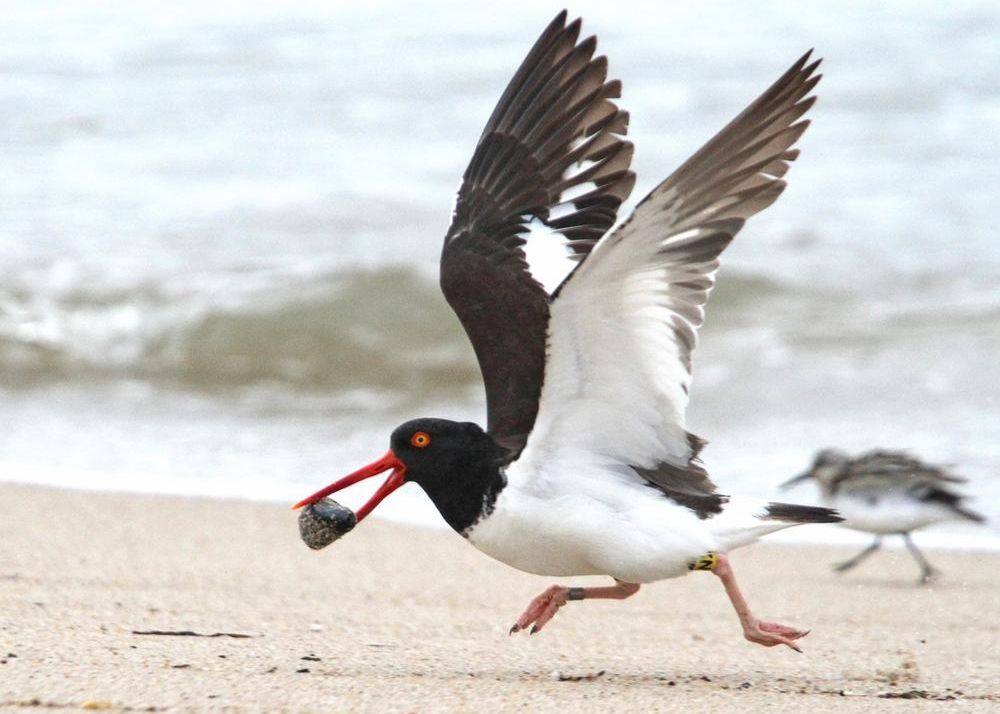
It’s that time of year again, when kids are going back to school, and birds are going back to wherever they fly to in the colder months. When it comes to birds, we often lament the impact that climate change and development has had on our avian friends. But in this story about the shorebirds migrating along the Atlantic Flyway, Bluedot writer Sam Moore highlights some wins. The population of the American Oystercatcher, for instance (pictured above on a Massachusetts beach, by photographer Lanny McDowell), has increased by 50% since 2008.
The flyway is more than just a migratory path: It also represents a linked set of groups, scientists, and volunteers monitoring the health of bird populations. “The idea of birds going from key site to key site is the foundational concept of shorebird conservation,” one scientist told Sam. “Their annual cycle is just a linking of these site-to-site movements.” Wildlife biologists use banding and statistical analysis to figure out when birds are dying, then figure out the conservation levers they can pull, and whether the attentive stewardship given to the oystercatchers might work.
Want to track the birds that might be migrating as you sleep? Check out the Cornell Ornithology Lab’s Birdcast Dashboard, and enter your zip code.
|
|
|
|
|
|
|
|
DISPATCHES FROM ALL OVER
SUSTAINABLE LIVING ADVICE
ECO-FRIENDLY RECIPES |
|
DISPATCHES FROM ALL OVER · SUSTAINABLE LIVING ADVICE · ECO-FRIENDLY RECIPES |
|
|
|
“There are no sacred and unsacred places; there are only sacred and desecrated places. My belief is that the world and our life in it are conditional gifts.”
– Wendell Berry, 1934–2026, poet, novelist, environmentalist |
|
|
|
|
|
|
|
|
QUICK LINKS |
|
Skip scrolling! Here's what you'll find in this edition of the Bluedot newsletter: |
|
|
|
|
|
|
|
FEATURED STORIES |
|
BIG IDEAS AND LOCAL CHANGEMAKERS |
|
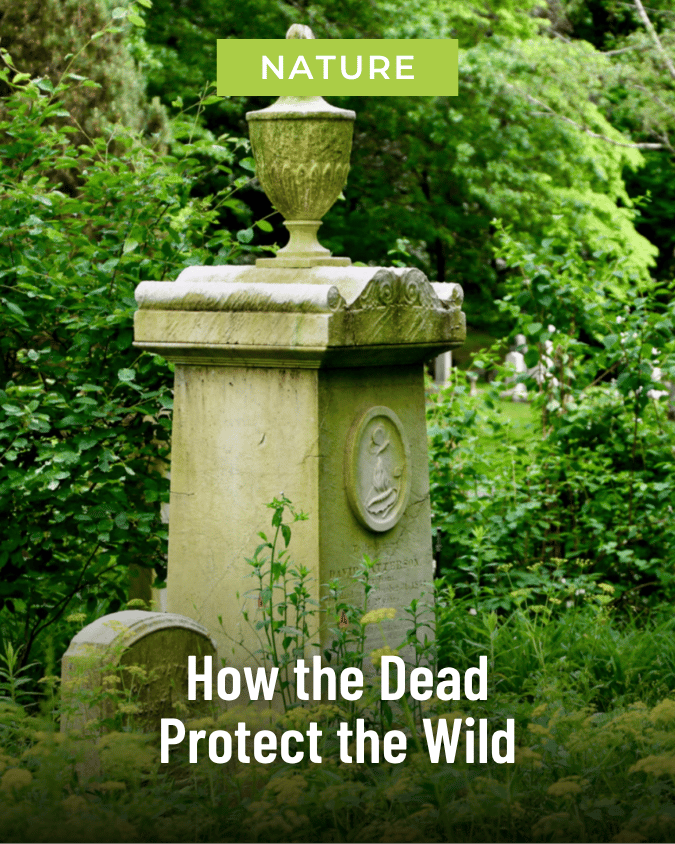
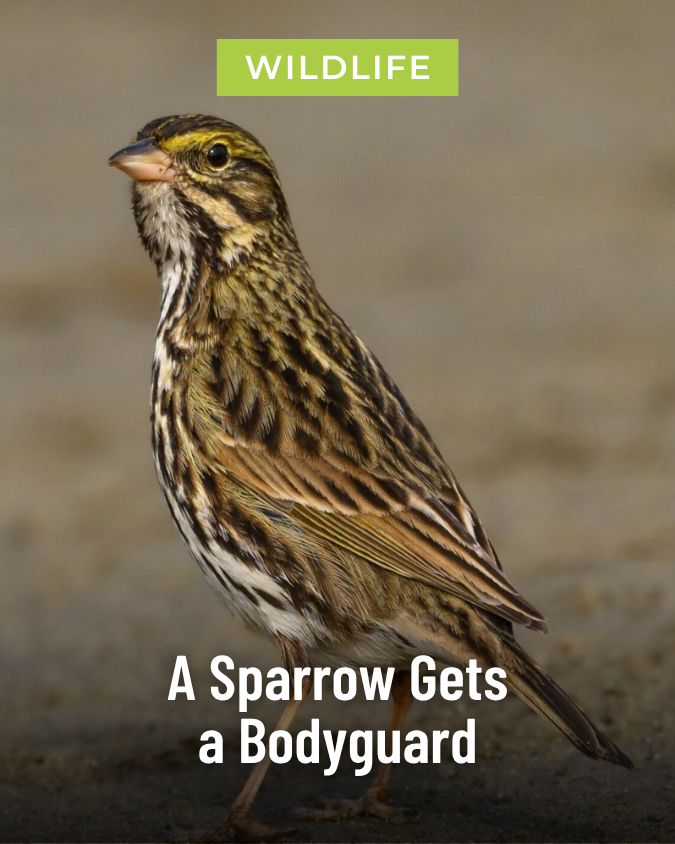
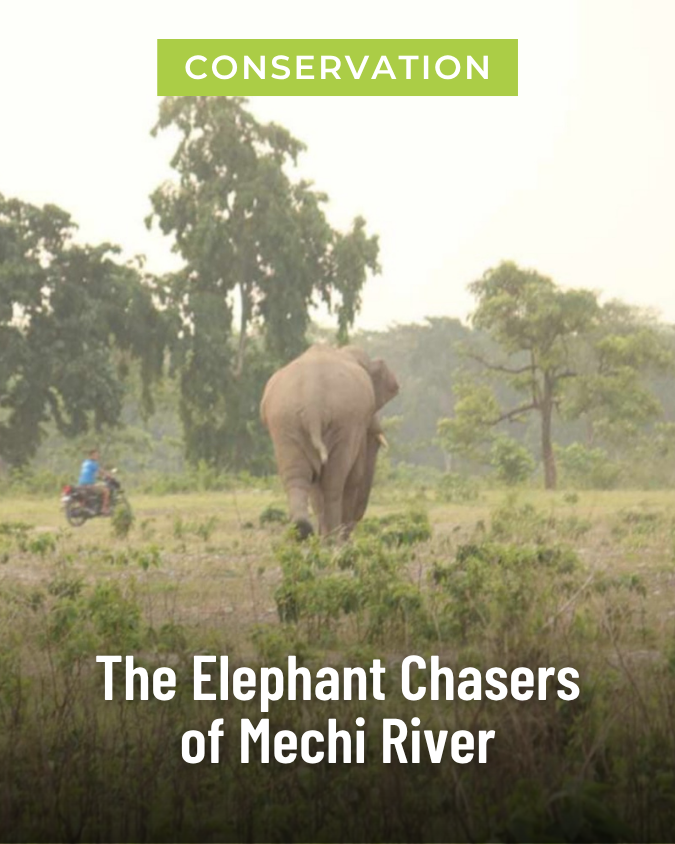
From the elephant chasers in India to the sparrow “bodyguards” in San Diego, and at all the cemeteries in between, lots of people are protecting animals big and small from … other people.
|
|
|
|
|
|
|
 |
|
In the latest issue of Bluedot Living Kitchen, discover smart ways to freeze summer’s bounty along with essential tools for canning and fermenting. You’ll also find low-waste, meatless recipes, make-ahead meals, and a planet-friendly guide to protein to help you cook well while making thoughtful choices for the planet.
Subscribe today to receive future issues of Bluedot Living Kitchen and enjoy seasonal recipes and inspiring stories that help you eat well and live more sustainably all year long. |
| Subscribe Now |
|
|
|
|
|
|
|
|
|
|
|
Stale (or fresh) bread is not a good snack for our animal friends. But it doesn’t have to go to waste! Instead of throwing it out, soak slices of stale bread overnight in a mixture of eggs, half-and-half, and nutmeg. By morning, it’ll be ready to cook in the pan with butter to make a pile of golden, custardy french toast.
Get the recipe.
|
|
|
|
|
|
|
 |
|
“The founders of Gray Whale Gin, Marsh and Jan Mokhtari, share a love of California’s natural beauty,” writes Julia Cooper in this Good Libations column about the couple who founded a company as a way to celebrate the California Gray Whale, which has the longest annual migration of any animal — 12,000 miles, including a long stretch along the Golden State’s coastline. All of the botanicals used in crafting Gray Whale Gin are sourced from along the California Gray Whale’s migration route, either foraged or sourced from small, local farmers, and include juniper from Big Sur, kombu from Mendocino County, and mint from Santa Cruz. |
|
|
|
|
|
Paid Advertisement with Insurify |
Find auto rates as low as $39/month
|
 |
|
Summer means more time on the road — and more reason to make sure you're not overpaying for the insurance that covers it. Road trips, beach runs, weekend getaways all add up. Your insurance bill doesn't have to. Before you hit the highway this summer, take 2 minutes to compare rates on Insurify. Enter your car make and ZIP code and see real quotes from top carriers instantly — no fees, no hassle, no commitment. Drivers are finding coverage starting as low as $39/month. That's more money for gas, hotels, and everything that makes summer worth it. Don't let an overpriced policy slow you down. |
| Compare Rates with Insurify |
|
Average potential savings based on initial quotes received by 151,494 customers seeking insurance through Insurify. Actual savings may vary depending on state of residence, individual circumstances, coverage selections, and insurance provider. Savings and lowest rates do not reflect typical results. |
|
|
|
|
|
 |
|
Illustration by Elissa Turnbull |
|
Dear Dot,
I’ve been enjoying the birds that are making their way south. Is there anything I can do to help make their trip better?
– Elle G.
Dear Elle,
Fall is a wonderful time to give warblers, sparrows, flycatchers, virios, and others an assist as young ones tend to follow the East Coast south, says the birdly named Matt Pelikan, a Martha’s Vineyard-based naturalist. And these guys can use our help! “The nature of migration is really intensive,” says Pelikan. “When birds are migrating, they’re running marathons.”
Metaphorically, of course. Their little legs couldn’t possibly run 26 miles, let alone the up to 600 miles the American Bird Conservancy says migrating birds travel daily at approximately the same speed as a car on the highway.
But, like any marathoner, they need water. Lots of it, says Pelikan, who urges us to put out a dish of water on the railing of our deck if we don’t have a bird bath. And if we do have a bird bath, we must ensure that it’s kept clean, with fresh water.
But they also need fuel, says Pelikan, because migrating is so energy-intensive.
How else can you help? Keep reading.
|
|
|
|
|
|
Interested in reducing every waste? Look to your bathroom. A few durable, thoughtfully made essentials can make the space more functional while cutting back on disposable plastic. These picks cover the basics, from countertop organization to everyday cleaning.
|
|
 |
|
|
|
Ekobo’s bathroom accessories are made from FSC-certified bamboo fiber. Toothbrush holders, soap dishes, organizers, waste bins, and even step stools come in simple shapes and cheerful colors. These items make it easy to give the bathroom a practical refresh without conventional plastic. ($20+)
|
|
|
|
Meliora’s cleaning products make it easy to tackle everyday grime without dangerous chemicals or wasteful packaging. Founded by a female engineer, the Certified B Corp makes everything in Chicago. Try the All-Purpose Home Cleaner for sinks, counters, and surfaces, then tackle the tub, tile, and toilet with Gentle Home Cleaning Scrub. ($15.99+)
Clean Without Toxic Chemicals |
|
|
|
Zero Waste Store’s toilet brush pairs a beechwood handle with agave fiber bristles for a simple alternative to the standard petrochemical toilet brush. It’s sturdy and functional, with an open design that allows air to circulate around the brush, preventing the growth of mold and bacteria. ($35.99)
Brush Up Your Bathroom
|
|
|
|
|
|
|
|
Give our hardworking butterflies and bees a hand … or a flower! Plant a pollinator-friendly garden. Bluedot shows you how.
|
|
|
|
|
The Keep-This Handbook |
|
Installing a birdbath is one of the best ways to support the well-being of local and migrating birds. More than a place to bathe, these backyard oases are resting places for our flighted friends to take a drink and mentor young. They don’t take a lot of space, and you can even make one from upcycled household items. Learn how to establish a birdbath.
|
|
|
|
|
|
|
|
|
Neighbors Helping Neighbors |
|
This morning, while I was walking my dog, I passed a man carrying a shovel. Normally this would be cause for alarm. But today, I knew where he’d been and what that shovel was for.
Over the weekend, my neighborhood in Long Beach, California got hit hard by huge waves and high tides stirred up by Tropical Storm Marie. (You might have seen it on the news.) On a normal day here, tiny waves “crash” about 100 feet from a wide wooden boardwalk that separates the beach from oceanfront homes. On Sunday and Monday, 5-foot waves were rolling right over that boardwalk and smashing into the homes, sometimes even hitting second-story windows and balconies.
The surging ocean water pushed sand and debris onto the boardwalk, burying front porches and decks — and my favorite bench, a makeshift lending library that offers everything from books to puzzles, pint glasses, and party supplies — in an ankle-deep mess of mud and trash. And that’s where the man with the shovel had been. He’d walked from his home about 15 minutes away to see if he could help clean up that mess.
He wasn’t the only one. Volunteers from across our community spent hours over the holiday weekend digging their neighbors’ houses out, securing boards over windows, filling sandbags and stacking them in front of doors and gates and garages. Lifeguards, firefighters, police officers, and the indefatigable Marine Services Bureau were on the scene in force, making sure we were safe and doing what they could to protect the vulnerable homes.
Through the whole ordeal, I was constantly talking to neighbors, sharing updates that allowed my family to make smart decisions about where to go and what to do. The volunteers and the information-sharing network reminded me how important it is to have a strong community in a fast-moving crisis. And we, like other communities around the world, will be facing more climate-related crises, especially if the forecasted “super” El Niño materializes.
The boardwalk is the backbone of my community. It’s where I walk my dog, catch up with neighbors, take in the sunset, and generally just unwind at the end of a long day. Seeing it all torn up this morning had me, well, all torn up. But the man with the shovel gave me hope. He helped me remember that we are resilient when we work together — and we will get through this, one bucketful of sand at a time.
Enjoy the weekend, and we’ll see you next week.
– Robin Jones (and Emily Cain, Leslie Garrett, and Jamie Kageleiry)
Editors
Write us at editor@bluedotliving.com |
|
|
|
|
 |
|
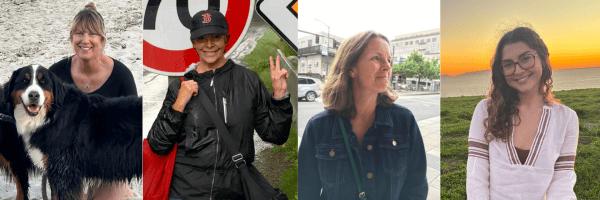
Leslie Garrett has been covering climate stories for close to two decades. She makes her home in Canada, west of Toronto. She’s still figuring out her favorite spot but it’s definitely near the water.
Jamie Kageleiry, a longtime magazine and newspaper editor from Martha’s Vineyard, says her favorite spot on earth is out on a kayak there, looking at birds.
Robin Jones is a Southern California native who served as an editor at Westways magazine for more than a decade. She lives in Long Beach and teaches journalism at Cal State Long Beach.
Emily Cain is a recent graduate of Cal State Long Beach, where she wrote and edited for the university’s award-winning magazine, DIG. |
|
|
|
|
|
Our audience is informed, intentional, and tuned in to sustainable living. Reach our 300,000 readers by advertising here, or contact adsales@bluedotliving.com to reserve your space. |
|
|
|
|
|
|
|
|