|
|
|
|
|
|
|
Welcome to The Weekly, a Bluedot Living newsletter that gathers good news, good food, and good tips for living every day more sustainably. |
|
Welcome to The Weekly, a Bluedot Living newsletter that gathers good news, good food, and good tips for living every day more sustainably. |
|
|
|
|
SIMPLE / SMART / SUSTAINABLE / STORIES |
|
|
 |
|
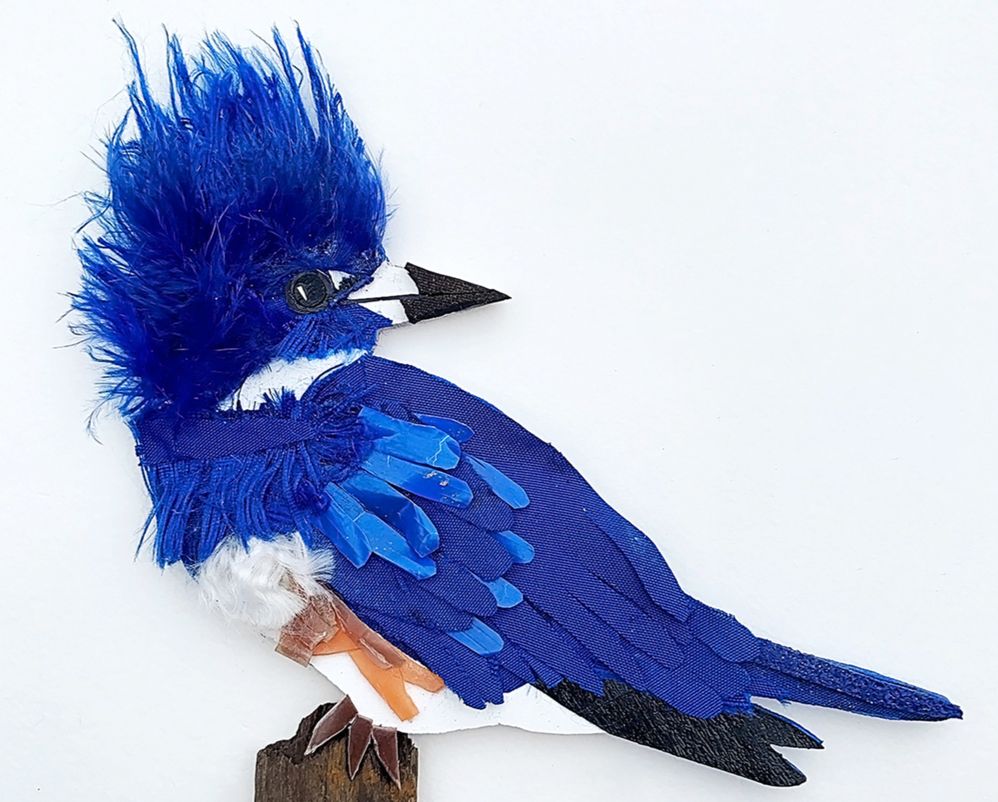
Sarah Thornington makes art from trash. |
|
“The day after I saw my first Kingfisher,” Cape Cod artist Sarah Thornington told writer Andrea Pyenson, “I found a big piece of canopy material with frayed edges that looked perfect for a Kingfisher…. This piece also includes a creamer container, tar paper, part of a July 4th hat, and a shotgun shell, among other things.” In 2019, Sarah decided to pick up plastic on her daily beach strolls and keep a tally. She had a goal to pick up 2,000 pieces by the end of the year; she reached her goal in nine days, and she hasn’t stopped.
She also hasn’t stopped making art from her finds, and bowls from discarded “ghost gear.” “The most important thing we can do for the planet,” she says, “is to find wonder in it: You protect what you love.” |
|
|
|
|
|
|
|
|
Sustainable Performance Starts Here |
|
 |
|
Many Quince activewear pieces incorporate recycled materials, giving plastic bottles a second life while helping reduce waste.
Quince's leggings, shorts, sports bras, tops, and dresses combine stretch, support, moisture-wicking performance, and clean, versatile style. Thoughtful details, durable construction, and timeless designs make them pieces you'll reach for again and again. Thanks to its direct-to-consumer approach, Quince delivers premium activewear without the traditional luxury markup.
This versatile collection works as hard as you do. |
| Shop Now |
|
|
|
|
|
|
|
DISPATCHES FROM ALL OVER
SUSTAINABLE LIVING ADVICE
ECO-FRIENDLY RECIPES |
|
DISPATCHES FROM ALL OVER · SUSTAINABLE LIVING ADVICE · ECO-FRIENDLY RECIPES |
|
|
|
“In an age when man has forgotten his origins and is blind even to his most essential needs for survival, water along with other resources has become the victim of his indifference.”
– Rachel Carson, marine biologist and author of Silent Spring |
|
|
|
|
QUICK LINKS |
|
Skip scrolling! Here's what you'll find in this edition of the Bluedot newsletter: |
|
|
|
|
|
|
|
FEATURED STORIES |
|
BIG IDEAS AND LOCAL CHANGEMAKERS |
|
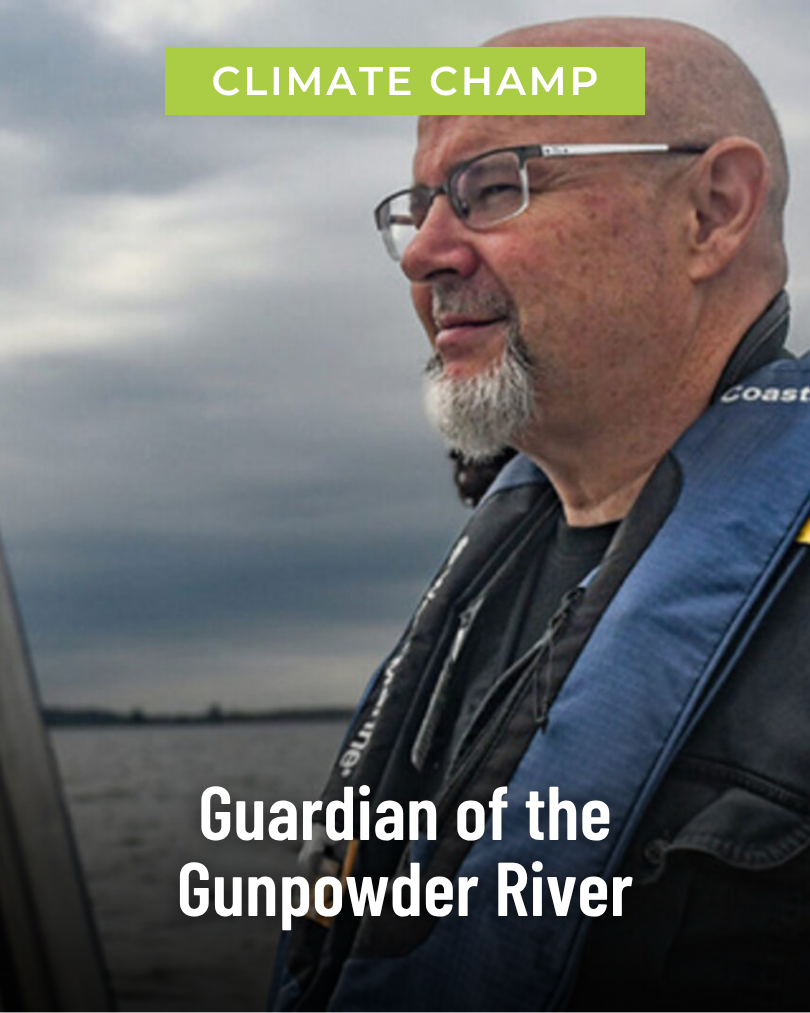
Healthy waterways lead to healthy ecosystems, communities, and economies. To protect them, it takes a village — or one dedicated riverkeeper.
|
|
|
|
|
|
|
|
|
|
|
|
|
|
|
|
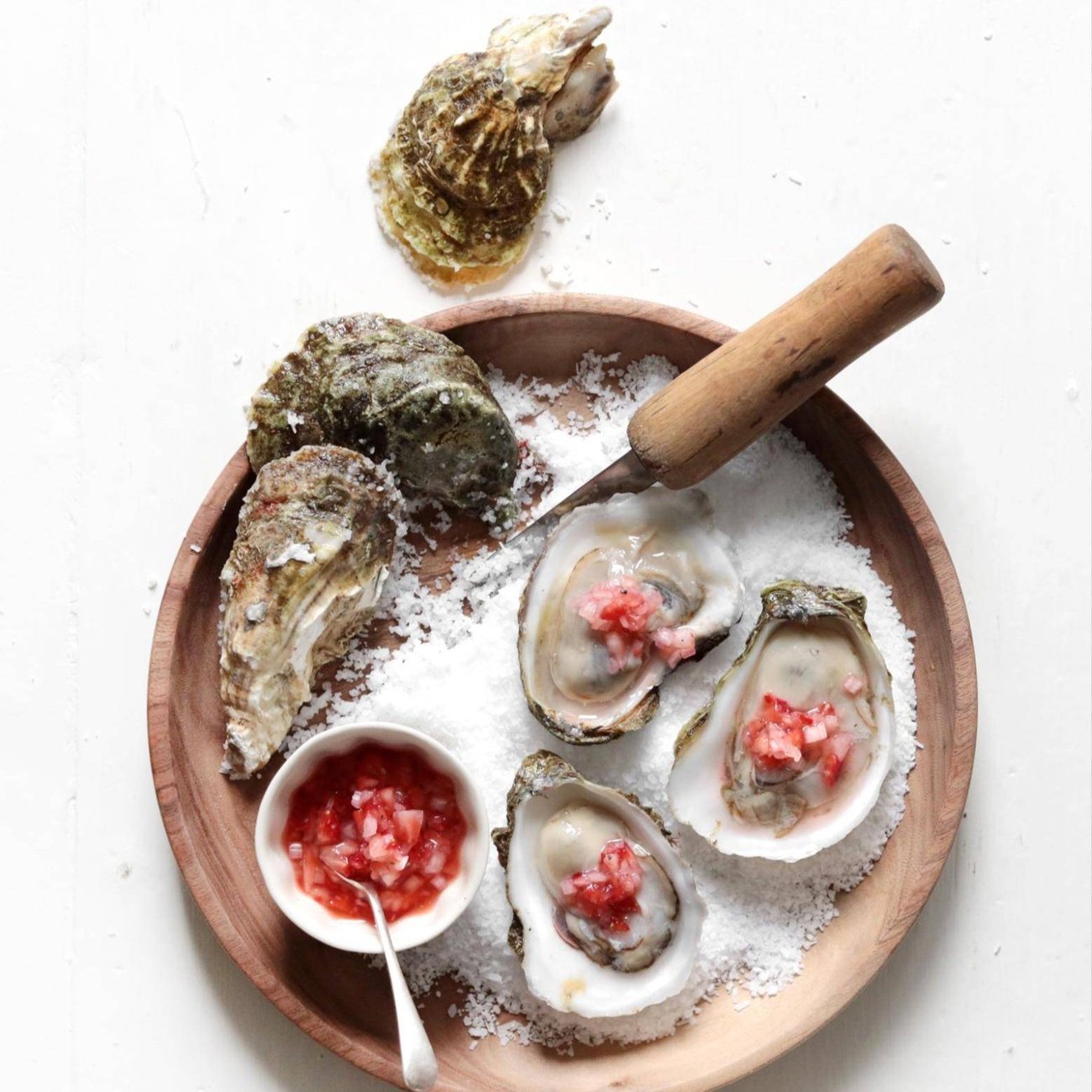
Oysters are serious coastal climate champs. As the ocean’s natural water purifiers, they filter out excess nutrients and improve water quality overall. So when you support sustainable local aquaculture, you support cleaner oceans. Next time you have a hankering for seafood, try this surprising combination of fresh oysters and strawberries. Seasonal berries are the base of a simple mignonette that gives this dish a sweet twist.
Get the recipe.
|
|
|
|
|
|
|
 |
|
“It was a lifeblood river, home to billions of spawning fish, and all the wild animal and bird life that followed,” Sam Moore writes about the Hudson River of a century or more ago. “Sturgeon were so plentiful they were known as ‘Albany beef.’ The sloops themselves were a testament to the raw abundance of this landscape, and they were framed and planked with the forests of New York, black locust, red cedar, and white oak. In those days, a ship’s carpenter could find the beginnings of a sturdy keel by going for a walk.”
About a year ago, Sam joined the crew of one of these sloops — the Clearwater, built more than 50 years ago by folk singer Pete Seeger to spread the gospel of clean water, which was, at that point, not a term you’d use to describe the Hudson. Come for the story, and stay for the playlist Sam put together for us.
|
|
|
|
|
|
Paid Advertisement with CashApp |
Help your kid build smart money habits early
|
 |
|
If you have a kid between 6 and 12, you can start teaching them smart money habits right now with Cash App. Kids between 6 and 12 can now have a Cash balance, order a Cash App Card, and start saving, but they don’t get access to the app.* There are no subscription fees, and you control it all through your app and account.
Manage money together
A Cash App Card designed by them: They get their own debit card to design, made by them, with you alongside. They can spend their allowance or money from chores, but you can set spending limits.
3.25% interest on savings: Kids can earn 3.25% interest and start building strong saving habits early.**
Safe money transfers: You can choose up to 5 people who can send them money. They can't send money or buy stocks or bitcoin.
Parent-controlled account: They can't log in on their own, and they don't need a phone. You control their account and see their activity. |
| Create Your Cash App Account Today |
|
Cash App is a financial services platform, not a bank. Banking services provided by Cash App's bank partner(s). Prepaid debit cards issued by Sutton Bank, Member FDIC. Cash App Visa Debit Flex Cards issued by Sutton Bank, Member FDIC, and The Bancorp Bank, N.A., pursuant to a license from Visa U.S.A. Inc. See terms and conditions for the Sutton prepaid card, Sutton debit flex card, and Bancorp debit flex card. Savings provided by Cash App, a Block Inc. brand.
*Parents and legal guardians can open a managed account for kids 6-12. To view the eligibility requirements for sponsoring a teen or child, please visit the Sponsored Accounts section of the Cash App Terms of Service.
**Cash App will pass through a portion of the interest paid on your savings balance held in an account for the benefit of Cash App customers at Wells Fargo Bank, N.A., Member FDIC. To earn interest on your Cash App savings balance, you need to have sponsor approval. Exceptions may apply. Savings yield rate is subject to change. |
|
|
|
|
|
 |
|
Illustration by Elissa Turnbull |
|
“You can tell from their name — Old Ladies Against Underwater Garbage — that this group of 65‒85-year-old women don’t take themselves too seriously,” wrote Dot, when she profiled these Climate Champs. Although, she notes, “they’re very serious about the problem they’re addressing: trash in the ponds on Cape Cod where they swim.” Members have excavated everything from golf balls to a robin’s-egg blue toilet. The 30 women clean up 20 ponds each year, removing more than 100 pounds of trash per pond. “Some of our members would say, ‘I’m doing this for the environment,’ and some would say, ‘I’m doing this for the adventure, or comradeship,’” Susan said, “but what drives this group is people finding a better way to be happy.” Read more about these delightful Climate Champs. And sign up for a daily dose of Dot here.
|
|
|
|
|
|
The more you know about the world around you, the more there is to appreciate. Oxford University’s acclaimed A Very Short Introduction series explores nature and the many ways we understand it. These accessible guides cover everything from mountains, forests, rivers, and the night sky to the Anthropocene, environmental justice, and Native American literature. Small enough to slip into even a fanny pack, these little books make it easy to explore new ideas wherever you roam. ($12.99+)
Learn Something New
|
|
|
|
|
What You Can Do: Properly Dispose of Fishing Line (and other Marine Debris)
|
|
Boat US reports that more than 100,000 marine mammals die from ingesting debris or becoming entangled in fishing lines, nets, and other types of derelict fishing gear. You can help by properly disposing of your fishing gear. Or set up your own recycling. BoatUS tells you how.
|
|
|
 |
|
|
|
|
|
|
Cleaning Up Plastic Beach |
|
It all started with dog poop bags. Almost every other day, my husband and I would come across an unused one on our early-morning walk along the beachfront with our terrier. Sometimes, even a whole roll of bags. We’d stoop and snag them, adding to our own stash, joking that at this rate, we’d never have to buy any for ourselves.
From there, though, it became almost impossible to ignore the rest of the litter along the sidewalk: empty chip bags, plastic water bottle caps, plastic cups. And on the beach just beyond the sidewalk: deflated balloons, plastic bottles big and small, lighters, and bits and pieces of styrofoam, so much styrofoam. I couldn’t stand to just look at it anymore, so about a year ago, I got myself one of those grabber tools and headed out to the sand. I filled a large garbage bag in half an hour and felt like I barely made a dent. So I started going out two or three times a week. Neighbors walking by always stopped to thank me; one even brought me a bottle of prosecco, and another pledged to start collecting trash himself.
A lot of the trash on what my family now calls Plastic Beach (after the Gorillaz album inspired by the Great Pacific Garbage Patch) washes up from the ocean, tangled up with driftwood and seaweed. It’s a problem along waterways across the country. As Ben Haliburton, water program coordinator for Allegheny CleanWays in Pennsylvania, says of the shores of the Monongahela River, “Anything that floats will find its way here.” It’s true; I’ve seen everything from a nightstand to a tire, still attached to its wheel, on Plastic Beach. Then there’s the junk people leave — buckets, collapsible chairs, soda and beer cans. (Why anyone would choose to litter is beyond me.)
Sometimes cleaning up Plastic Beach feels overwhelming — there’s just so much trash, and as soon as I pick up these plastic cups, more will wash up, so what’s the point? But then I remind myself, the less plastic junk going back into the ocean, the better. And I think back to one Saturday morning about a month ago, when I went down to the beach and found it packed with people picking up trash. A group of local restaurants and cafes were sponsoring a beach cleanup, offering coffee and matcha and breakfast burritos to anyone who showed up. They’d done such a good job, there was hardly any litter left for me to collect. I sat on the sand for a while, reveling in the view of waves crashing on a beach free of trash. Remembering what the shore looked like that day keeps me going.
Enjoy the weekend, and we’ll see you next week.
– Robin Jones (and Emily Cain, Leslie Garrett, and Jamie Kageleiry)
Write us at editor@bluedotliving.com |
|
|
|
|
 |
|
Leslie Garrett has been covering climate stories for close to two decades. She makes her home in Canada, west of Toronto. She’s still figuring out her favorite spot but it’s definitely near the water.
Jamie Kageleiry, a longtime magazine and newspaper editor from Martha’s Vineyard, says her favorite spot on earth is out on a kayak there, looking at birds.
Robin Jones is a Southern California native who served as an editor at Westways magazine for more than a decade. She lives in Long Beach and teaches journalism at Cal State Long Beach.
Emily Cain is a recent graduate of Cal State Long Beach, where she wrote and edited for the university’s award-winning magazine, DIG. |
|
|
|
|
|
Our audience is informed, intentional, and tuned in to sustainable living. Reach our 300,000 readers by advertising here, or contact adsales@bluedotliving.com to reserve your space. |
|
|
|
|
|
|
|
|