|
|
|
|
|
|
|
Welcome to The Weekly, a Bluedot Living newsletter that gathers good news, good food, and good tips for living every day more sustainably. |
|
Welcome to The Weekly, a Bluedot Living newsletter that gathers good news, good food, and good tips for living every day more sustainably. |
|
|
|
|
SIMPLE / SMART / SUSTAINABLE / STORIES |
|
|
|
|
|
|
|
|
 |
|
Every week, we share stories about local people driving global change, helpful tips for living lighter on Earth, and planet-friendly recipes, straight to your inbox. Our goal is to inspire you, our readers, to make change in your own lives — and to remind you that you’re not alone in the fight for our planet.
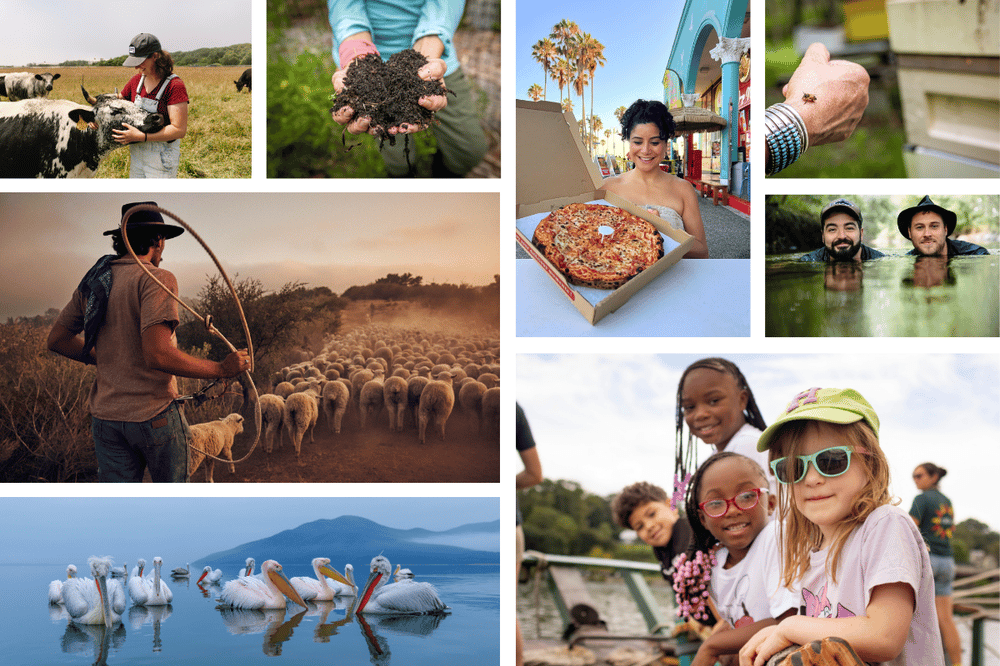
We’re always working on new content that we hope will resonate with you. (Above are photos from some of our favorite stories.) But to make sure we’re hitting the mark, we need your input! Take our quick 90-second survey to tell us which new features, recipes, and resources you’d be most excited to see, and we’ll give you 10% off any purchase in our online store as a thank-you.
|
|
|
|
|
|
|
|
DISPATCHES FROM ALL OVER
SUSTAINABLE LIVING ADVICE
ECO-FRIENDLY RECIPES |
|
DISPATCHES FROM ALL OVER · SUSTAINABLE LIVING ADVICE · ECO-FRIENDLY RECIPES |
|
|
|
“I do know how to pay attention, how to fall down
into the grass, how to kneel down in the grass,
how to be idle and blessed, how to stroll through the fields,
which is what I have been doing all day.
Tell me, what else should I have done?”
– Mary Oliver, poet, “The Summer Day”
(Don’t miss the film out right now, Mary Oliver: Saved By the Beauty of the World.) |
|
|
|
|
 |
|
For just $5/month, you can become a Bluedot Living member — investing in a healthier planet while unlocking real, everyday benefits for yourself. You'll enjoy 10% off every purchase from Bluedot Living Collection, our editor-curated marketplace of planet-friendly brands and products and you'll receive additional member-only store discounts each month. Many members recoup the cost of membership in just a handful of purchases from our store. From there, the savings continue — making sustainable living more accessible, affordable, and impactful.
|
| Join for $5/month |
|
|
|
QUICK LINKS |
|
Skip scrolling! Here's what you'll find in this edition of the Bluedot newsletter: |
|
|
|
|
|
|
|
FEATURED STORIES |
|
BIG IDEAS AND LOCAL CHANGEMAKERS |
|
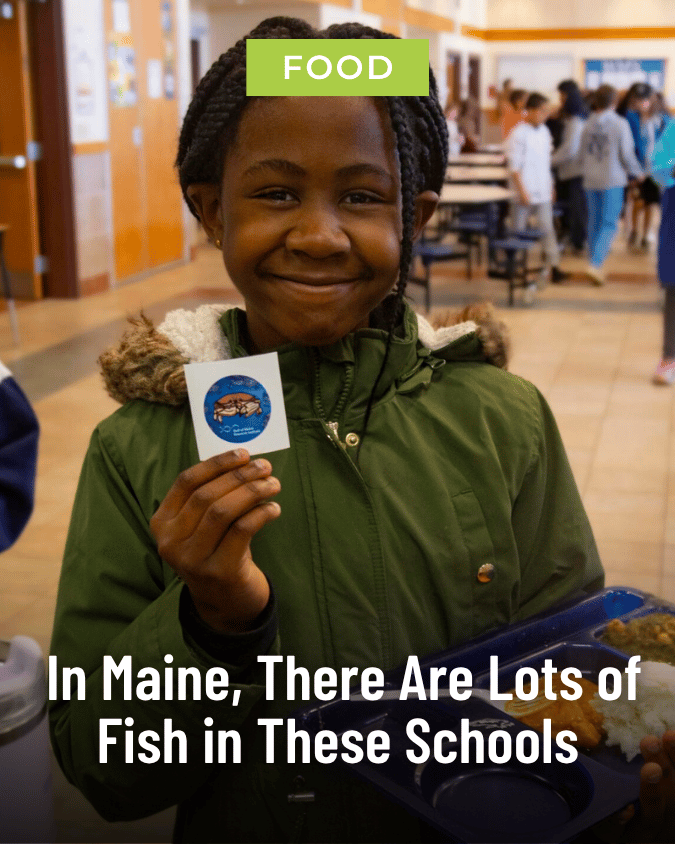
Across the country, schools (and parents) are making changes that benefit their students and the planet, from how kids travel to school to what they eat when they get there.
|
|
|
|
|
|
|
|
|
 |
|
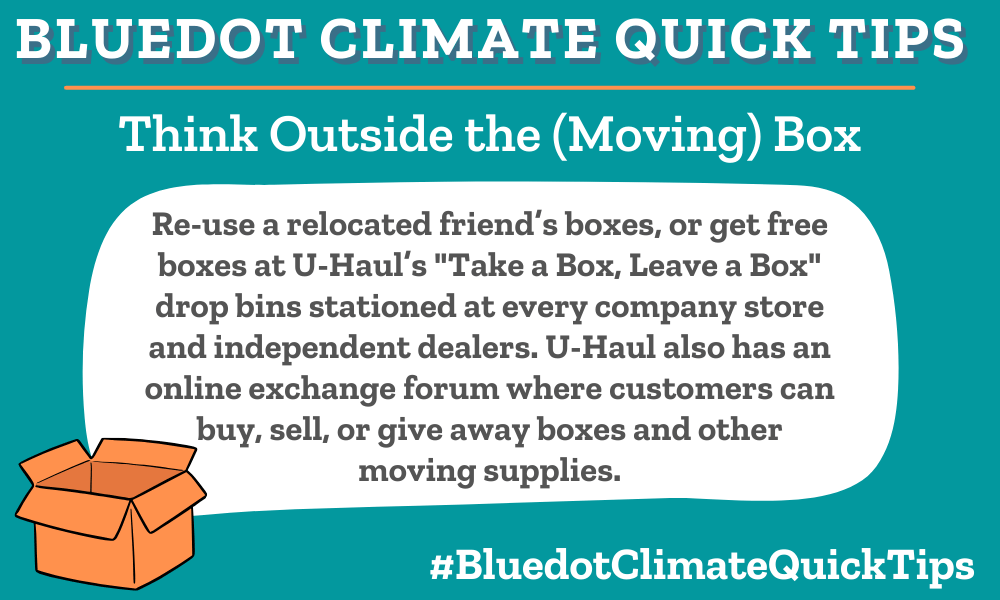
Moving into a dorm? Reuse boxes, thanks to U-Haul, and take advantage of others’ moving supplies at U-Haul’s online exchange forum.
|
|
|
|
|
|
|
|
|
|
|
 |
|
|
|
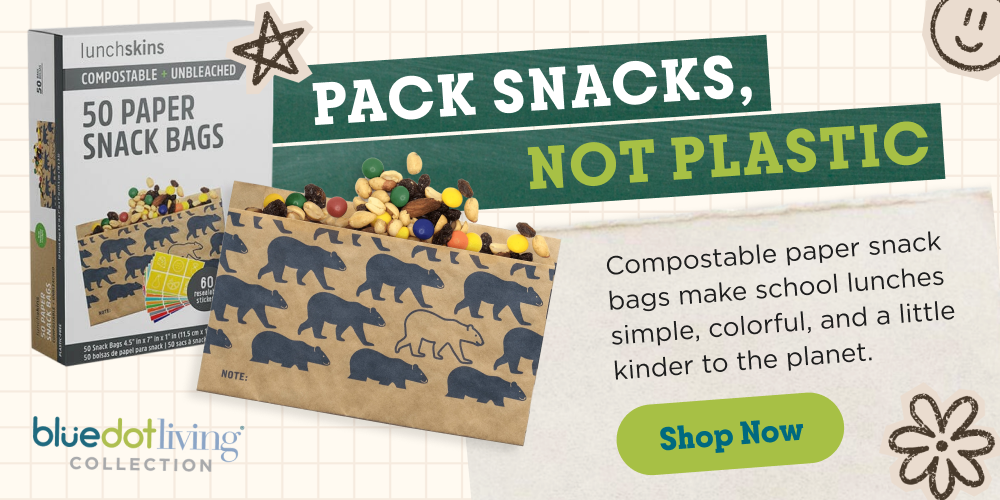
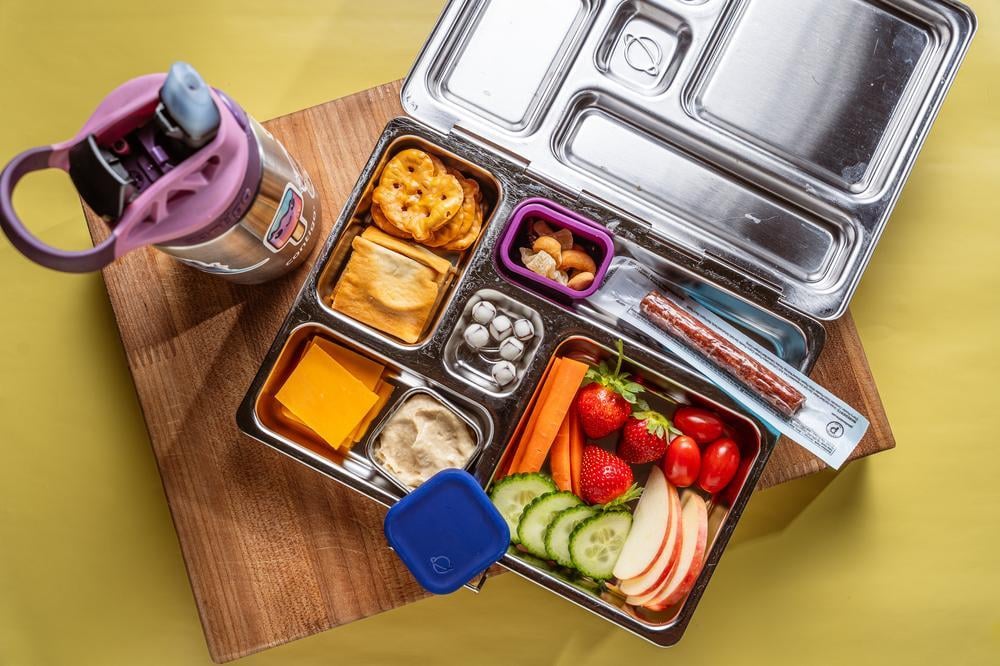
We turned to two of our regular Bluedot Living Kitchen contributors who are parents for tips on packing a lunch kids will actually enjoy. They came up with fun concepts that keep school lunch interesting for your kid and easy for you. They also shared their favorite healthy grab-and-go snacks and simple recipes for homemade treats like No-Cook Chewy Granola Bars and Roll-Ups With Egg, Turkey, and Asparagus.
Get more tips.
|
|
|
|
|
|
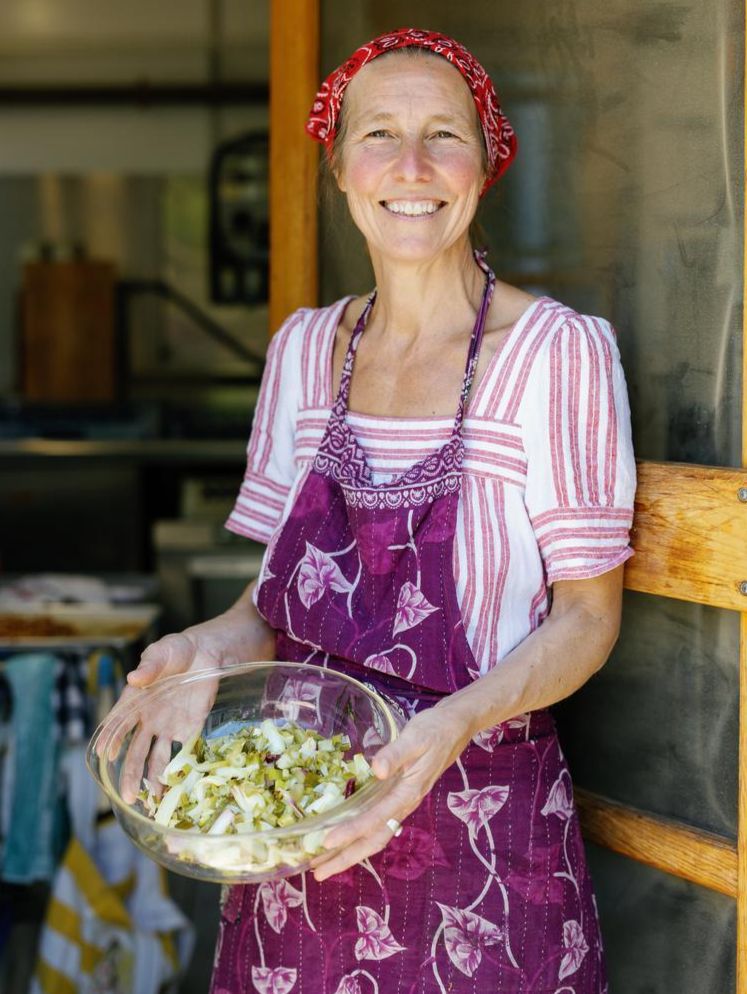
“It was a Friday — Breakfast for Lunch day at the school — and the team was transforming rescued food into the day’s offerings,” Julia Blanter writes about a visit to the Martha’s Vineyard Public Charter School kitchen. “Cronigs, Slough Farm, North Tabor Farm, Island Grown Initiative, caterers, and others donate food, which inspires their weekly menus. … A batch of fruit compote made from bruised blackberries was simmering on the stove. There were rescued sausages, sliced in thirds and roasted, and fragrant black locust flowers, foraged on Tashmoo overlook, to flourish over French toast made from stale Pain d’Avignon baguette. Other garnishes come from the school’s food forest, a stone’s throw from the kitchen.” That’s food services director Betsy Carnie in the photo.
Get the story and recipes here.
|
|
|
|
|
|
Paid Advertisement with Hear |
|
Americans over 55 are ditching hearing aids for this new device.
|
 |
|
People who try Horizon IX by hear.com tend to say the same thing after: I waited too long.
Meet the nearly invisible innovation packed with two AI chips that separate speech from noise in real time. The result? Warm, natural sound anywhere life gets loud. No choosing between hearing the room and hearing the person.
Nearly invisible, rechargeable, smartphone-compatible, it's the device over 670K+ people switched too for unmatched clarity
Experience the tech for yourself with a 45-day no-risk trial of the Horizon IX by hear.com. |
| Experience Clarity With The Horizon IX From hear.com |
|
|
|
|
|
|
 |
|
Illustration by Elissa Turnbull |
|
Dear Dot,
Is spring water safer than tap water?
– Julie
Dear Dot,
Is using Brita water filters really environmentally friendly?
– Anneka
Hi Julie and Anneka,
In the 1970s, when Dot was a Younger Dot, I would line up, along with other thirsty kids, and drink from our elementary school water fountain, which sometimes featured a piece of chewed up gum. Gross? Yes. Unsafe? No. The water coming out of those spouts was — and remains — very safe.
Those fountains have largely vanished, replaced by vending machines selling bottled water, or by large water coolers with a sleeve of small paper cups hugging their side. It’s a shame, really. Because not only was water free and plentiful — it also wasn’t packaged in a bottle made from oil.
Which brings me, Julie and Anneka, to both of your questions, which I’m responding to simultaneously as each asks essentially the same thing: Is my tap water safe?
Dot is delighted to deliver a simple, unequivocal “yes” from no less an authority than James Salzman, distinguished professor of environmental law at UC Santa Barbara’s Bren School of Environmental Science & Management and author of Drinking Water: A History (available on ThriftBooks and Amazon). His opening line to me, essentially: He’s a tap water man, and always has been, despite the fact that bottled water companies have spent decades running what amounts to a quiet smear campaign against the stuff that comes out of your faucet. Here’s why he’s unbothered. Keep reading.
|
|
|
|
|
|
When life gets busy, even small changes can feel like just one more thing to figure out. These ready-made kits take some of the guesswork out of building more sustainable habits, bundling together everything you need to waste less, compost more, or rethink a routine.
|
|
 |
|
|
|
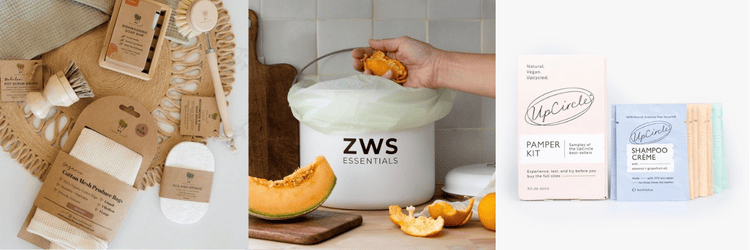
Me Mother Earth’s Zero Waste Kitchen Set brings together reusable alternatives to the items most likely to end up in your kitchen’s trash can. The kit includes two dish brushes, three loofah sponges, a solid dishwashing bar and soap dish, plus three cotton mesh produce bags for farmers market trips and grocery runs. ($49.95)
|
|
|
|
If you’re not already composting, now is a great time to start! It’s one of the most meaningful changes you can make at home. Zero Waste Store’s Countertop Compost Bin Kit bundles the basics. Choose a white or black bin and you’ll also get 48 compostable baggies and three replacement filters. Keep the bin within reach as you cook, then transfer the scraps to your home compost or municipal green bin. ($69.78)
|
|
|
|
Finding more sustainable beauty products can involve a lot of trial and error as well as a lot of waste. UpCircle’s Pamper Kit makes experimenting easy, with 17 samples for hair, face, and body. The brand is known for effective, vegan, cruelty-free products that incorporate upcycled ingredients. ($9.99)
|
|
|
|
|
|
|
|
There’s an important election coming up in the fall and our climate could use a little help from policymakers to ensure its health. Whether you’re a veteran at the polls or still counting down the days until you can register yourself, you can play a role in encouraging those who rank climate action high on their priority lists to get out and vote. Environmental Voter Project is a nonpartisan nonprofit that identifies eco-minded voters and encourages them to become regular voters. Sign up to make calls around the country, send postcards, or canvas in your area. (It might even count toward school volunteer hours!)
|
|
|
|
|
 |
|
Get more of Bluedot Living delivered directly to your inbox. From the Daily Dot advice column and The Weekly news hub to Bluedot Living Kitchen and the biweekly Buy Better Marketplace, and more, we offer a range of newsletters tailored to your interests and wherever you are on your sustainable living journey. |
| Sign Up Now |
|
|
|
|
The Keep-This Handbook |
|
Feeling the urge to declutter? Let Bluedot’s Guide to Getting Rid of (Almost) Anything help, starting with your medicine cabinet. Those empty pill bottles can find new life as sunglasses! Surprised? So were we. Check it out.
|
|
|
|
|
The Kids Are Alright |
|
When I’m not busy assigning and editing stories for Bluedot, I’m teaching writing, editing, and news literacy classes at California State University, Long Beach. We kicked off the fall semester this week, and as usual, my students immediately wowed me with their enthusiasm for the written word. After some quick instruction, my writing students promptly started brainstorming story ideas for the student lifestyle magazine I advise. And two of the kids in my editing course actually stayed after class to ask me grammar and style questions (about word order and attribution, for my fellow word nerds out there).
The constant drumbeat in academia these days — and especially in journalism departments — is about AI and the ways it’s changing how we teach. Students don’t really write anymore, we hear; they just put essay and discussion questions into Claude or ChatGPT and turn in whatever comes back.
I’m happy to report that those generalizations are just that. Many of my students resent AI and are eager for the challenges editing and writing pose. Every semester, I watch as students with zero editing experience learn to take apart paragraphs and sentences and put them back together in clearer, better ways. I see novice writers determine the types of stories that matter to them, develop ideas on how to tell those stories, and write (and revise, and revise again) articles that examine the big issues and trends affecting their generation.
Climate change is one of those issues, and a handful of my students have gone on to work with organizations tackling the problem, including three — Emily Cain, who also writes this newsletter; Grace Hughes; and Gabriella Gobaton — who now work for Bluedot. And they’re not the only exceptional young people sharing their talents with us.
Santa Barbara high schooler Ethan Maday wrote a story for Bluedot about advocating for change with his local city council. Nantucket high schooler Robert Graves recounted what he learned on a trip to the Galapagos. Harvard student Cleo Carney, who’s been with us since she was 14, explained how living through a European heatwave changed her. Anna Popnikolova, also at Harvard, recalled making jam from foraged fruit with her mom. Tufts student Siena Cohen described her summer monitoring pollinators on Rhode Island. And Yale undergrad Annabelle Brothers chronicled her day foraging with a Martha’s Vineyard artist. Some of them have come to us through The Bluedot Institute, a non-profit public benefit corporation dedicated to supporting students and their teachers in creating local, solution-oriented projects that address the environment and climate change.
It’s an understatement to say the world’s changed a lot since I started teaching 16 years ago. One thing that hasn’t changed? My students want to make a difference. We just have to give them a chance. If you’d like to support our efforts to do this, you can do that here.
Enjoy the weekend, and we’ll see you next week.
–Robin Jones (and Jamie Kageleiry, Leslie Garrett, and Emily Cain)
Editors
Write us at editor@bluedotliving.com |
|
|
|
|
 |
|
Leslie Garrett has been covering climate stories for close to two decades. She makes her home in Canada, west of Toronto. She’s still figuring out her favorite spot but it’s definitely near the water.
Jamie Kageleiry, a longtime magazine and newspaper editor from Martha’s Vineyard, says her favorite spot on earth is out on a kayak there, looking at birds.
Robin Jones is a Southern California native who served as an editor at Westways magazine for more than a decade. She lives in Long Beach and teaches journalism at Cal State Long Beach.
Emily Cain is a recent graduate of Cal State Long Beach, where she wrote and edited for the university’s award-winning magazine, DIG. |
|
|
|
|
|
Our audience is informed, intentional, and tuned in to sustainable living. Reach our 300,000 readers by advertising here, or contact adsales@bluedotliving.com to reserve your space. |
|
|
|
|
|
|
|
|