|
|
 |
|
At Home On Earth |
|
|
|
|
|
|
|
Welcome to The Hub, a Bluedot Living newsletter that gathers good news, good food, and good tips for living every day more sustainably. |
|
Welcome to The Hub, a Bluedot Living newsletter that gathers good news, good food, and good tips for living every day more sustainably. |
|
If you purchase anything via one of our links, including from Amazon, we may earn a small commission. All Dear Dot illustrations by Elissa Turnbull. |
|
|
|
|
SIMPLE / SMART / SUSTAINABLE / STORIES |
 |
|
Wondering what a Lumisphere is? Theater artist Carey Lovelace's Visions2030 project recently installed one at the Museum of Tomorrow in Rio de Janeiro, in time for COP30. This photo is the interactive experience’s final stop, where visitors can use AI to create their ideal vision for the future. “If your consciousness is soaked in disaster,” Lovelace told Bluedot president Victoria Riskin in this Q&A, “maybe we end up creating more disaster? Why not aim for a vision, a shared goal — a future we want to reach? Humanity’s done amazing things!”
|
|
|
|
|
|
|
|
|
 |
|
|
|
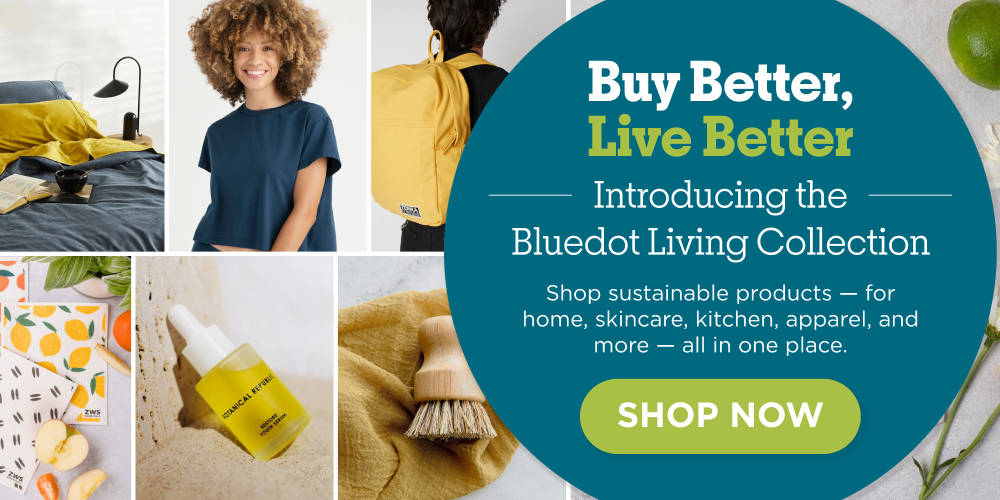
We’re making it easier for our readers to shop sustainably with our new online store, Bluedot Living Collection. From home essentials to clean beauty, and wardrobe staples to low-waste swaps, you can find planet-friendly products all in one place. We've already partnered with a curated array of brands we believe in, and we’re just getting started. As we continue to vet new products, you’ll see even more options added, each one selected for quality, responsibility, and real-world functionality. |
| View Our Products |
|
|
|
|
DISPATCHES FROM ALL OVER
SUSTAINABLE LIVING ADVICE
ECO-FRIENDLY RECIPES |
|
DISPATCHES FROM ALL OVER · SUSTAINABLE LIVING ADVICE · ECO-FRIENDLY RECIPES |
|
|
|
“The balance of evidence suggests a discernible human influence on global climate.”
– statement from Intergovernmental Panel on Climate Change (IPCC), November 29, 1995
You’ve likely heard of the IPCC. Funded in 1988 by the United Nations Environment Programme and the World Meteorological Organization, the IPCC assesses climate science and issues a report roughly every six years, upon which climate policies are (or should be) based. These assessments are the work of more than 190 member countries and thousands of climate scientists, mostly working for free. Their goal is straightforward and crucial: to provide sound, evidence-based information about the state of the climate and the best predictions for what’s to come.
Thirty years ago, the IPCC released the quote above. How a vast number of scientists, all dedicated to being as truthful as they could, settled on those 12 words is an amazing story, told here.
|
|
|
|
|
QUICK LINKS |
|
Skip scrolling! Here's what you'll find in this edition of the Bluedot newsletter: |
|
|
|
|
|
|
 |
|
Enter the Bluedot Living x Sea Bags Holiday Giveaway for a chance to win two Ogunquit Beach Totes and two bag charms, a $550 value. Keep one set for yourself and share the second with someone who loves coastal-inspired, sustainably made design. Each bag is handmade in Maine from retired sails, giving new life to materials that would otherwise end up in landfills. Celebrate sustainable craftsmanship and coastal style this holiday season — choose your favorites and make them yours! |
| Enter Now |
|
Enter between December 3 at 6:00 a.m. EST and on December 12 at 11:59 p.m. EST. No purchase necessary to enter or win. Open to U.S. residents aged 13 and older. See Official Rules for more details. |
|
|
|
|
|
FEATURED STORIES |
|
BIG IDEAS AND LOCAL CHANGEMAKERS |
|
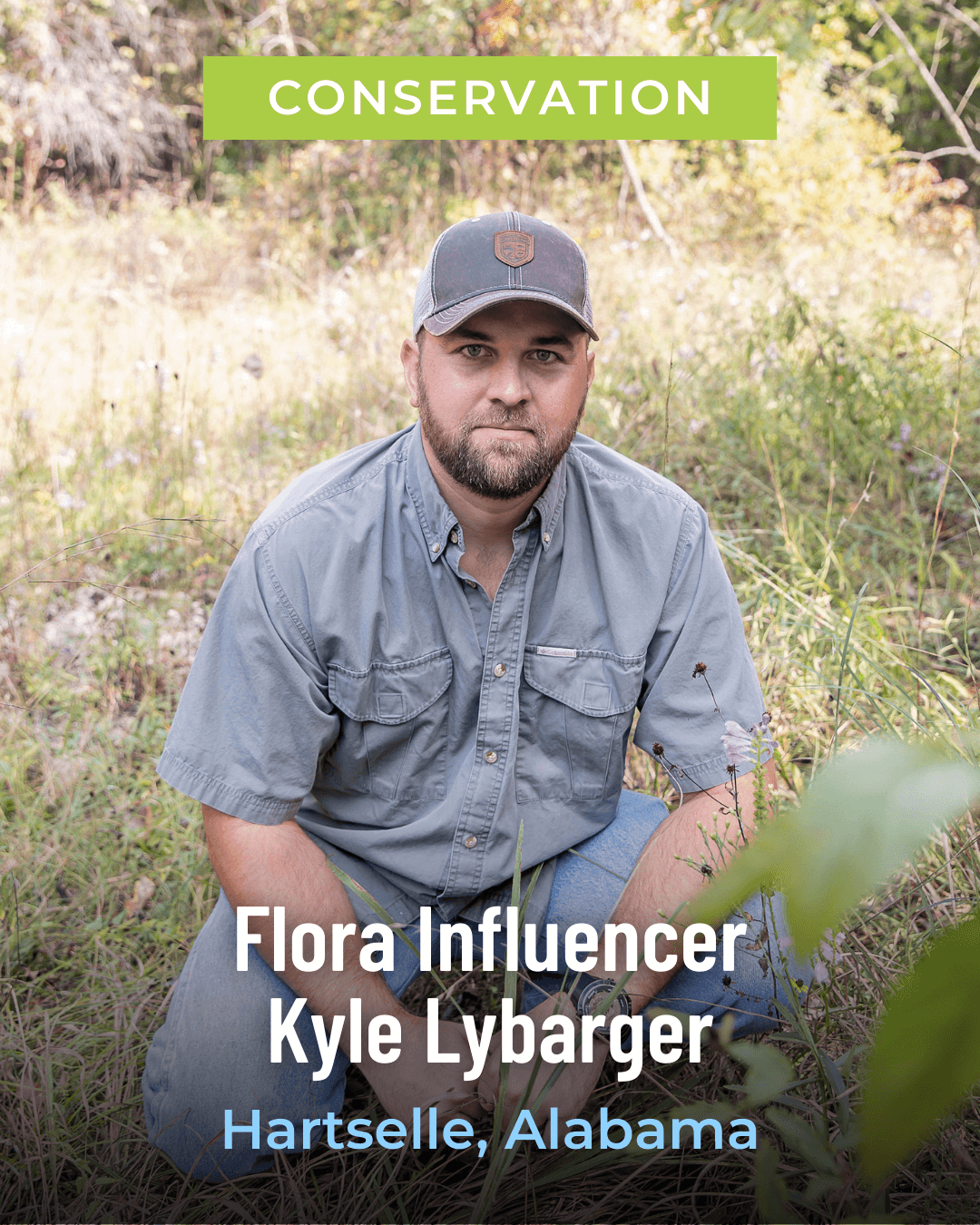
From TikToks to headstones, there are so many ways to educate people and inspire conservation efforts. Folks are using unique strategies to help save native plants, endangered animals, and melting ice around the world.
|
|
|
|
|
|
|
|
|
|
If you’re anything like us, you have some extra Thanksgiving ingredients in your cupboard that you’re not sure what to do with. Here’s an idea for those leftover dried cranberries: scrumptious breakfast rolls from Bluedot Living Kitchen’s Vanessa Seder.
Get the recipe.
|
|
|
|
|
|
|
 |
|
Willie Levenson, ringleader of the Human Access Project (HAP), has been the major force behind Portland, Oregon’s changing relationship with the Willamette River. Writes frequent Bluedot contributor Teresa Bergen in this story from our archives, “When Levenson moved to Portland — a city with a super green reputation — he was shocked by people’s attitude toward the Willamette. ‘I was indoctrinated the way a lot of people in Portland are, to never put your toe in the Willamette because it will kill you…’” Read about how HAP has brought people back to use and enjoy the river.
|
|
|
|
|
Paid Advertisement with Rooted Insight |
You have a powerful vision—an idea for the world, a business, an organization. **Let's make it real**. |
 |
|
Rooted Insight helps entrepreneurs turn ideas into structured, actionable plans that drive growth—while thinking beyond just the next step. Let's talk about what's next. |
| Schedule a Free Consultation |
|
|
|
|
|
|
 |
|
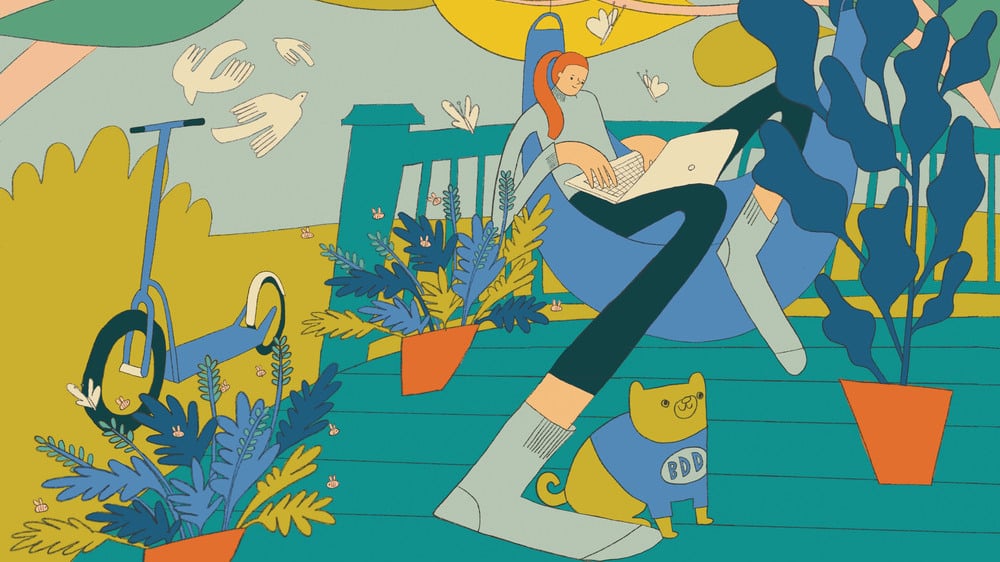
Illustration by Elissa Turnbull |
|
Dear Dot,
I want to learn more about “green eating.”
– Gail Conner
Dear Gail,
It’s possible that “green” eating is some wacky new wellness trend requiring people to eat only green items; Dot remains, thankfully, oblivious to any such regimen. I can speak to a figuratively “green” diet, though, and literal “green” eating — as in eating more plants — is actually exactly the right place to start.
Dot has tackled “green” eating from a number of angles, thanks to questions from readers: the impact of grassfed beef, the impact of cheese, the impact of nuts, whether chicken is better than beef, the impact of a plant-based diet, and more. But I can sum it all up by quoting seven short words from Michael Pollan, author of In Defense of Food, among other books: “Eat food. Not too much. Mostly plants.” The slightly longer version is “eat less processed food” — meaning, use mostly what you find around the perimeter of the grocery store (the produce section, and, in lesser amounts, meat and dairy), at farmers markets, or in your community supported agriculture box. Or in your garden. And, as a rule, make plants the bulk of your diet. If you want to eat meat or fish, keep your portion smaller than the size of a deck of cards.
But we would be remiss, Gail, if we didn’t zero in on another significant climate impact from eating: the greenhouse gases produced by food waste.
Want to chew on more of Dot’s advice about food? Keep reading.
|
|
|
|
|
|
|
|
|
|
|
|
|
|
If you make a purchase through our links, including from Amazon, we may earn a small commission. |
 |
|
|
|
|
 |
|
Make sustainable living simple with the Bluedot Living’s Green Home Deluxe Kit — a $170+ value collection of our editors’ favorite Earth-friendly products, free with your membership. You’ll also enjoy exclusive member savings, inspiring community connections, and more planet-positive perks. |
| Get Your Deluxe Kit |
|
|
|
What You Can Do: Become a Citizen Scientist
|
|
You might think that citizen science is simply cosplay, but the data that ordinary people produce can be really valuable. “This is a real thing, it’s not just a fad or a hobby,” scientist Matt Pellikan told Bluedot reporter Kelsey Perrett. “The science part of citizen science is very, very real.” Ready to get involved? Take a look at what others have participated in here, here, here, and here … and then figure out what’s available near you.
|
|
|
The Keep-This Handbook |
 |
|
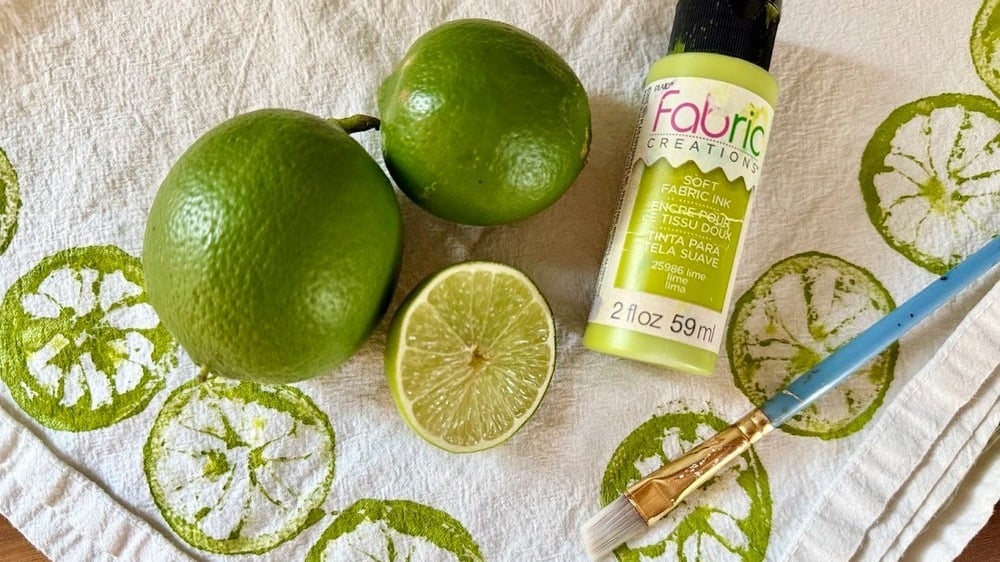
Giving gifts doesn’t have to be expensive or negatively impact our Earth. In her gift guide, Laura McLean encourages us to start our gift search in the garden with eight low-waste, nature-inspired gifts made (and grown) with love.
|
|
|
|
|
Holiday Traditions |
|
Growing up, as soon as my family fully recovered from our Thanksgiving fatigue and food comas (usually about two days post-feast for all six of us), Elvis’ Christmas Album was playing, and our old tree was being dragged out of its tattered, duct-taped cardboard box. My siblings and I would hang up the same mismatched novelty ornaments, arguing over how far apart the surfing Santas should be and planning when we would visit Candy Cane Lane. To me, holiday traditions like these — ones rooted in reuse and experience, rather than consumption — are ones worth repeating. However, now is a good time to follow in the footsteps of Notes from the Home Front columnist Krista Halverson and reflect on which traditions we can tweak to be easier on the planet. (Thinking about how much energy it takes to light up those extravagantly decorated houses on Candy Cane Lane, for example, makes me cringe.) After all, the holidays are about making new traditions, too!
Enjoy the weekend, and we’ll see you in two weeks.
– Emily Cain (and Leslie Garrett, Jamie Kageleiry, and Robin Jones)
Editors
Write us at editor@bluedotliving.com |
|
|
|
|
 |
|
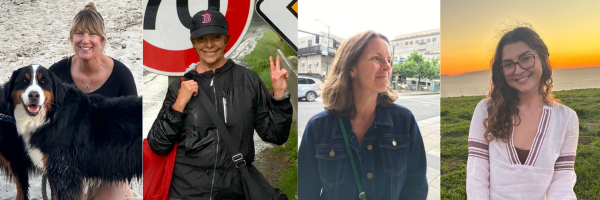
Leslie Garrett has been covering climate stories for close to two decades. She makes her home in Canada, west of Toronto. She’s still figuring out her favorite spot but it’s definitely near the water.
Jamie Kageleiry, a longtime magazine and newspaper editor from Martha’s Vineyard, says her favorite spot on earth is out on a kayak there, looking at birds.
Robin Jones is a Southern California native who served as an editor at Westways magazine for more than a decade. She lives in Long Beach and teaches journalism at Cal State Long Beach.
Emily Cain is a recent graduate of Cal State Long Beach, where she wrote and edited for the university’s award-winning magazine, DIG. |
|
|
|
|
|
Our audience is informed, intentional, and tuned in to sustainable living. Reach our 300,000 readers by advertising here, or contact adsales@bluedotliving.com to reserve your space. |
|
|
|
|
|
|
|
|